
An unprecedented competition, organized for the first time across three territories. Canada, the United States and Mexico, the 2026 World Cup is, for brands, far more than a simple sponsorship opportunity: it is a global stage. While adidas has already been announced as an official partner, the commercial battle has begun well before the first kick-off, scheduled for 11 June 2026. Four months ahead of the tournament, a look at the opening match played by brands, far from the stadiums, on the field of fashion.
Nike and adidas: the jersey war
adidas will outfit 11 of the 48 national teams and, alongside Nike and Puma, will account for three quarters of the line-up. A concentration that says everything about the market’s bipolarization, if not tripolarisation.
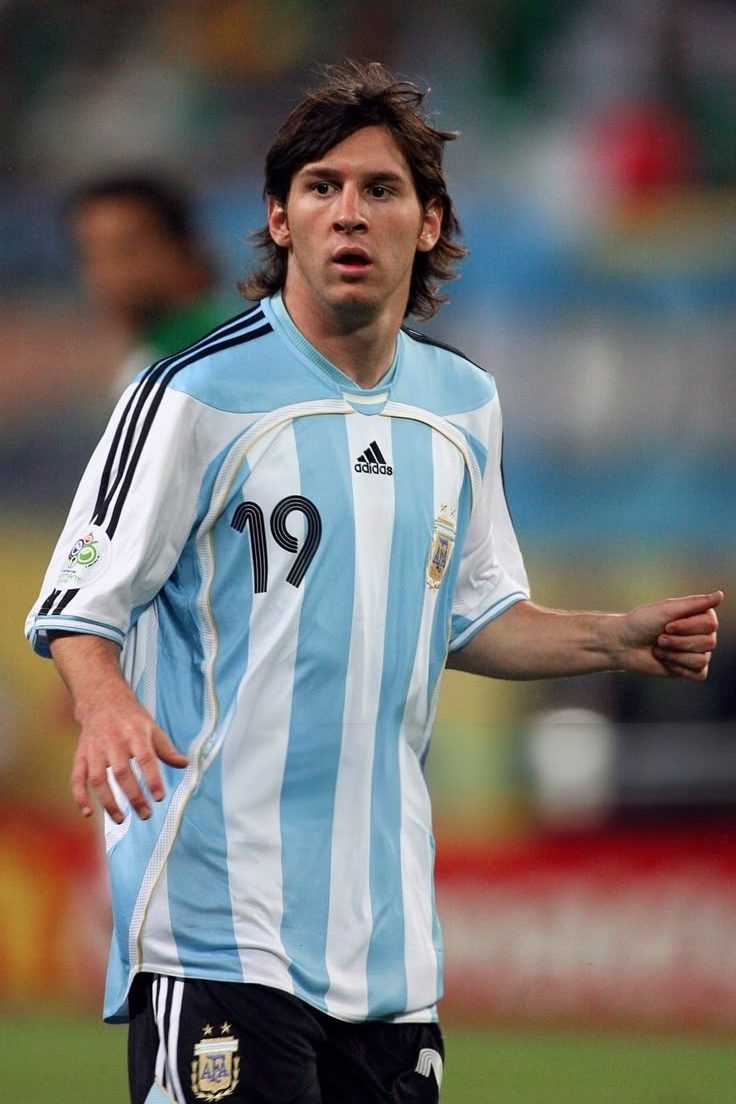

Beyond the teams it will equip during the tournament, the three-stripes brand is banking on a carefully orchestrated return to its roots, reissuing the jersey worn by Lionel Messi in Argentina’s 2006 colors, as well as Mexico’s iconic 1986 model. At a time when vintage jerseys are in high demand, these re-editions are sought after as much by supporters of the teams as by fashion enthusiasts. In recent years, the jersey has no longer been just technical gear, it has become a key fashion piece, if not a contemporary relic.
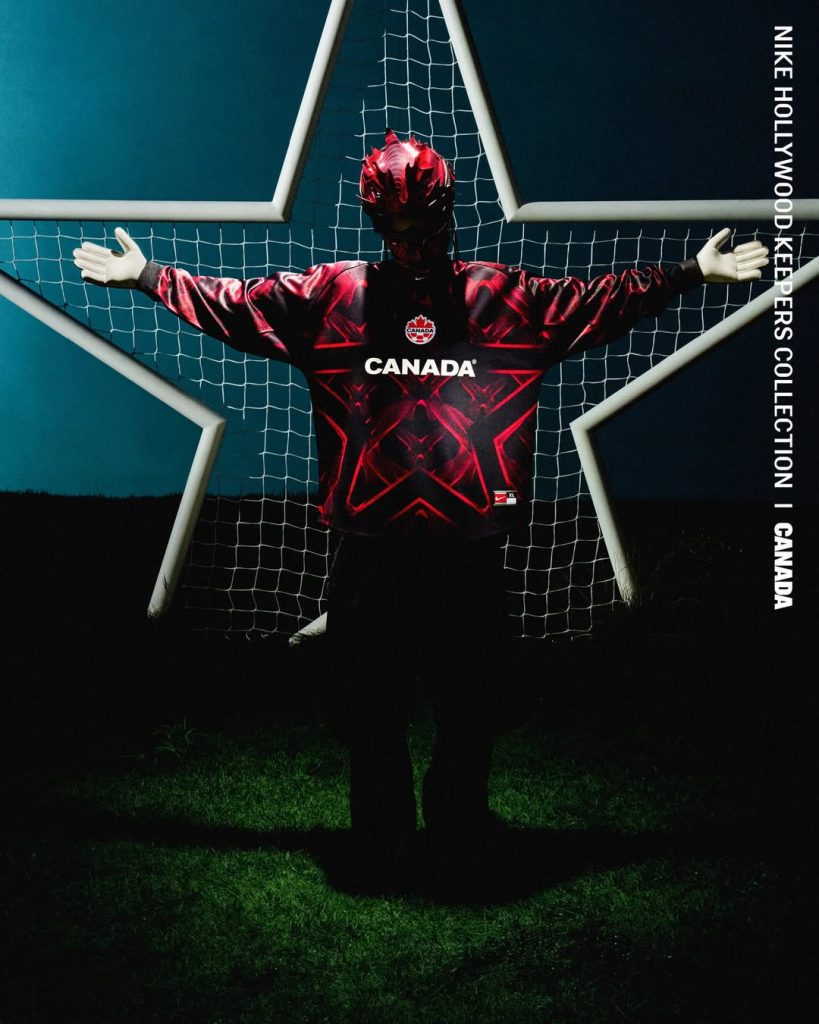
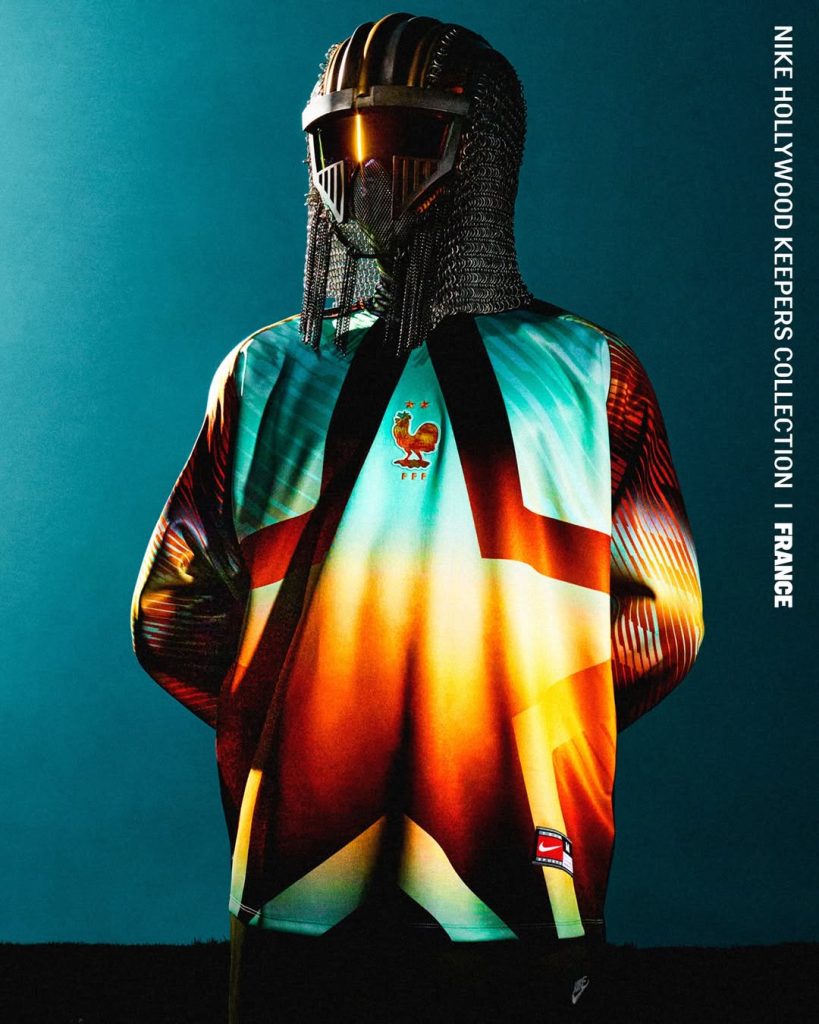
Opposite them, Nike favors a more cross-cutting strategy. The Swoosh brand is backing the teams most likely to win the tournament: England, Brazil and France. Where adidas reinforces its foothold in fashion and popular culture, Nike is chasing performance: above all, it wants victory on the pitch.
The jersey, a vehicle for identity and culture
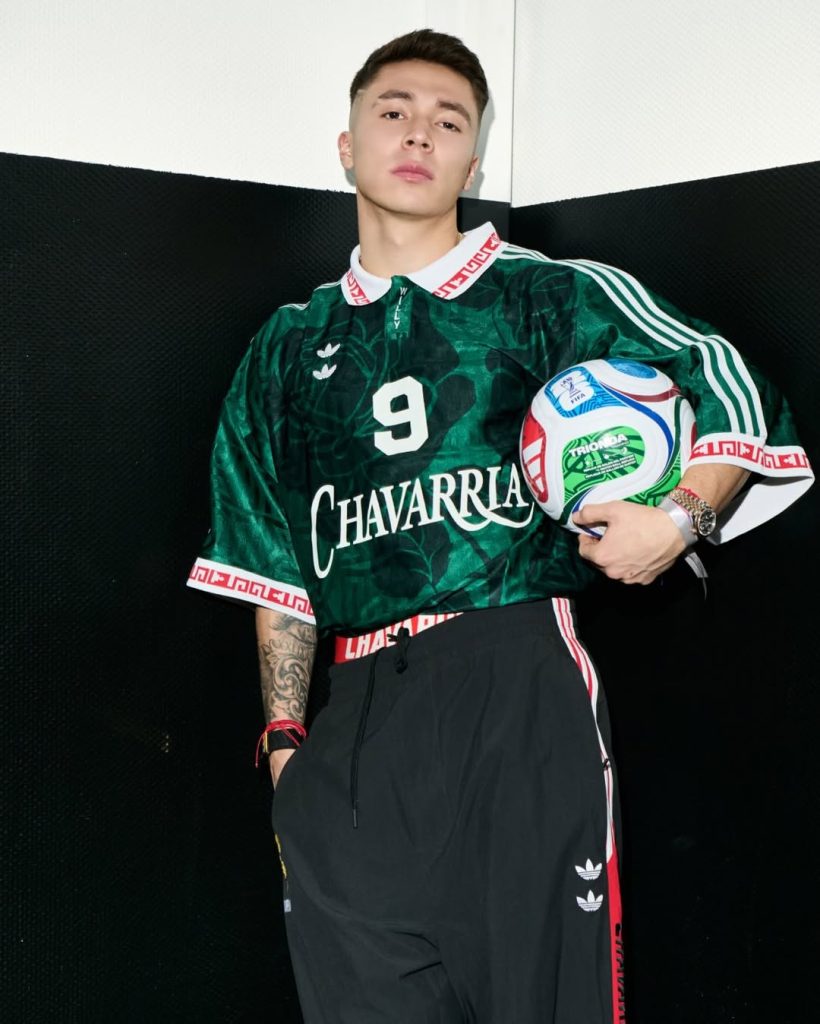
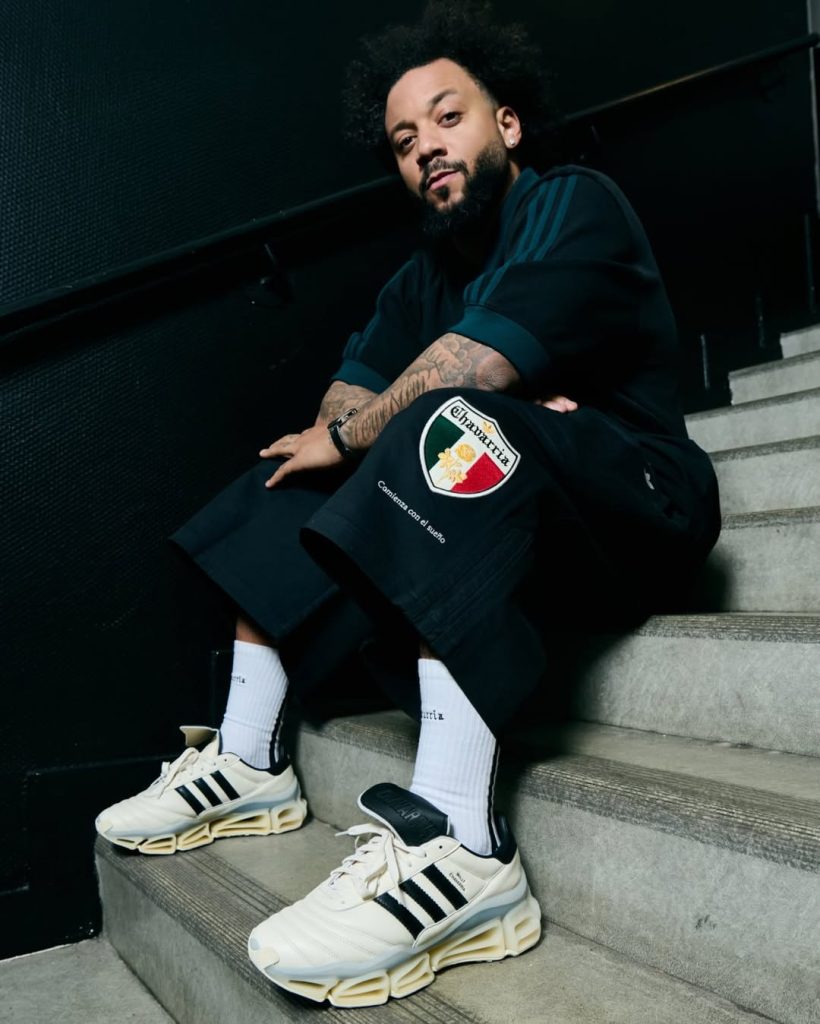
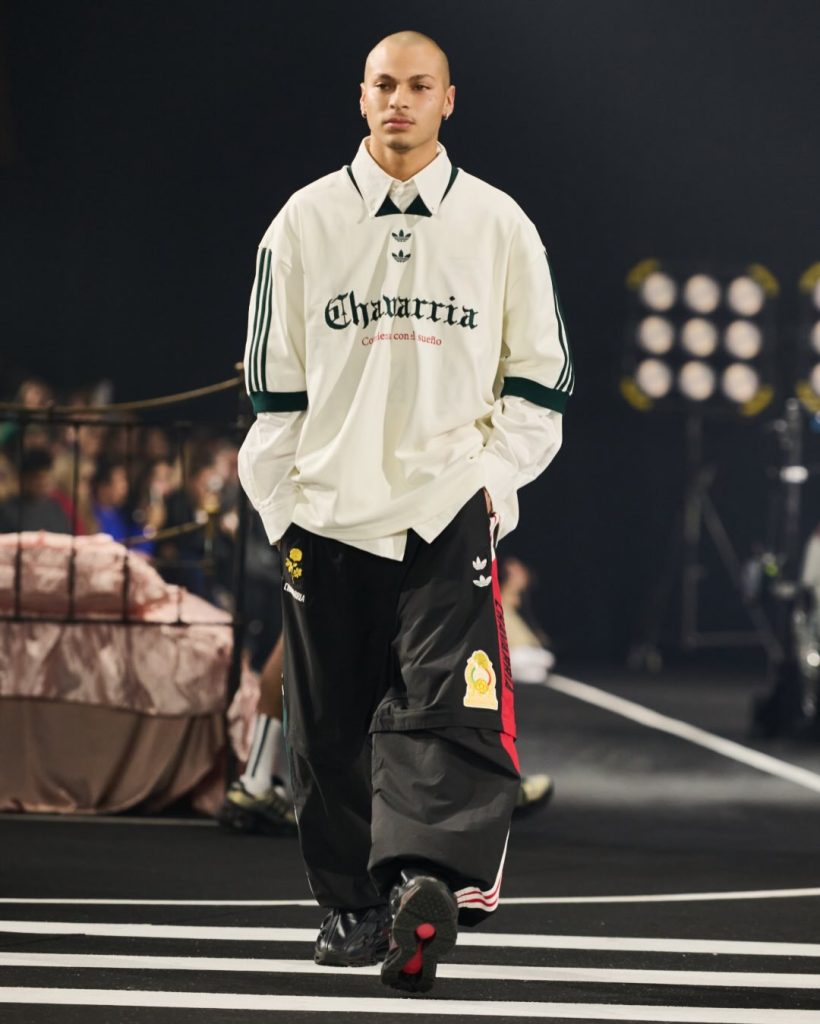
For several seasons now, the football jersey has left the stands for the streets and the runway. Worn oversized with tailored trousers, slipped under a fitted jacket, paired with heels or loafers, it is embraced with the same ease as a white T-shirt. adidas understood this well, teaming up once again with designer Willy Chavarria for a Fall-Winter 26 collection in which the spirit of football informs a statement about Latino communities and identities. Here, sportswear becomes a way to evoke heritage and question belonging.
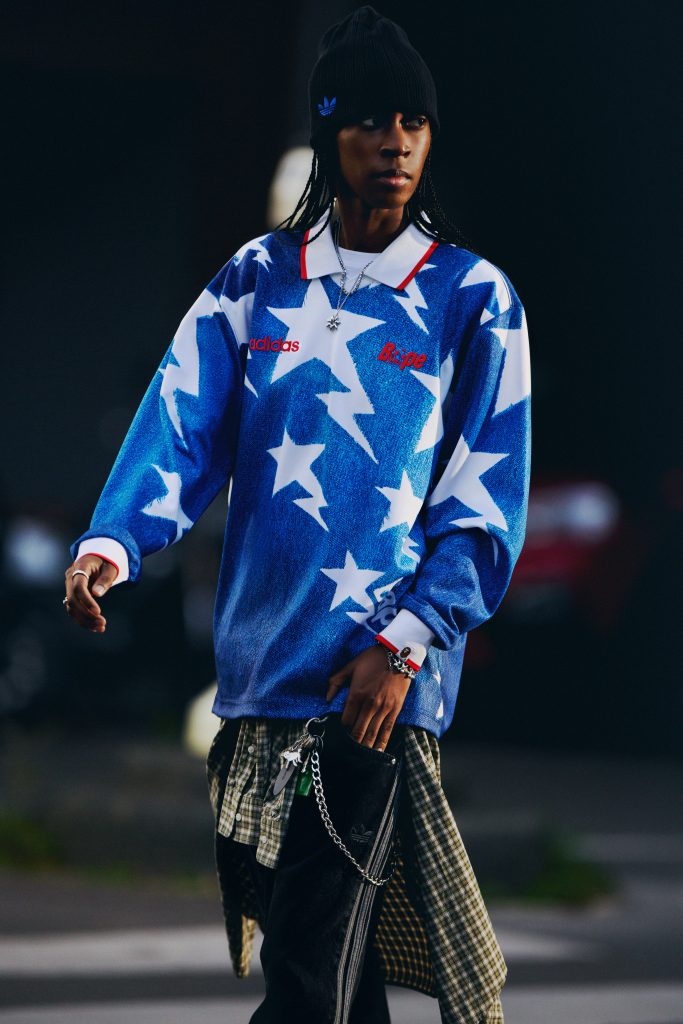
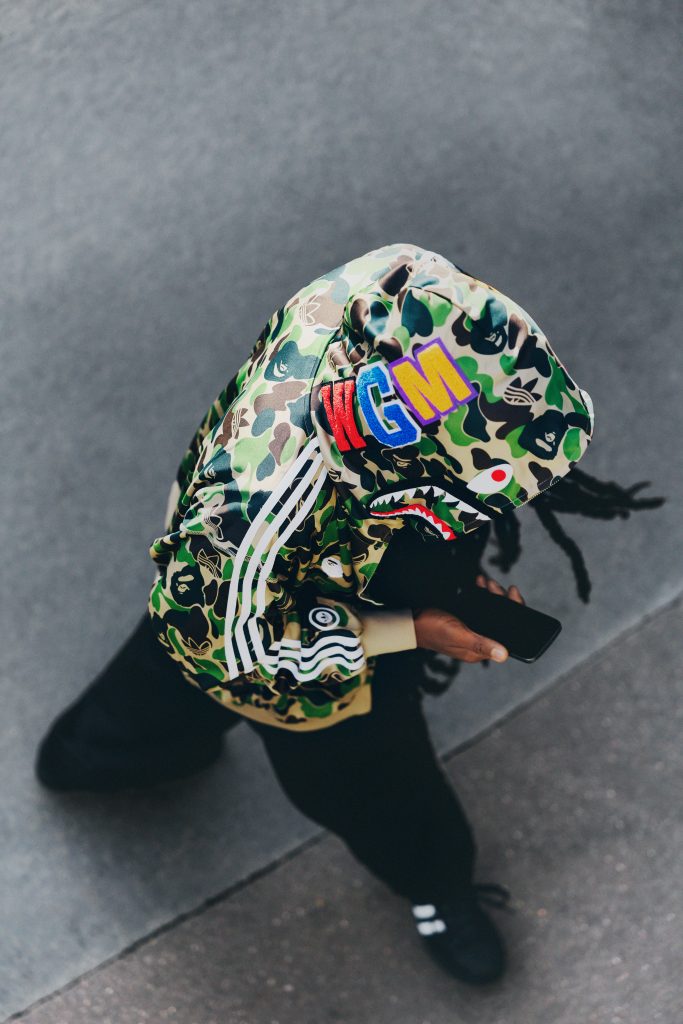
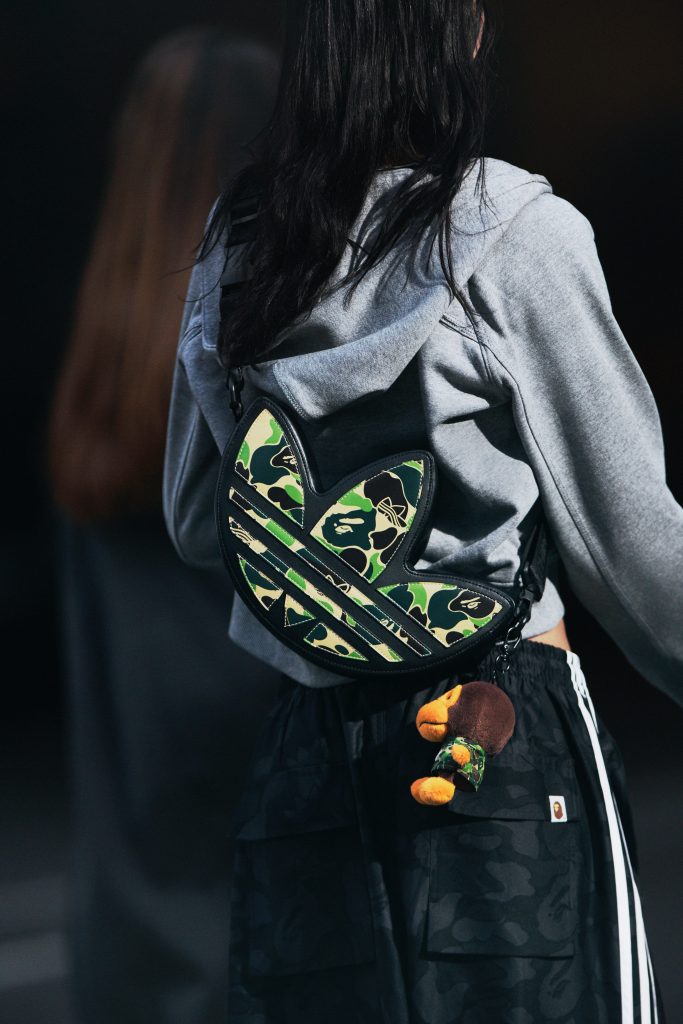
Same momentum with BAPE, which signs a second collaboration with adidas on the occasion of the World Cup. Two jerseys, two narratives: one long-sleeved with an integrated collar and denim print, the other short-sleeved, inspired by a 1990s model of the Japanese national team, bearing the “BAPE 93” print in reference to the label’s year of creation.
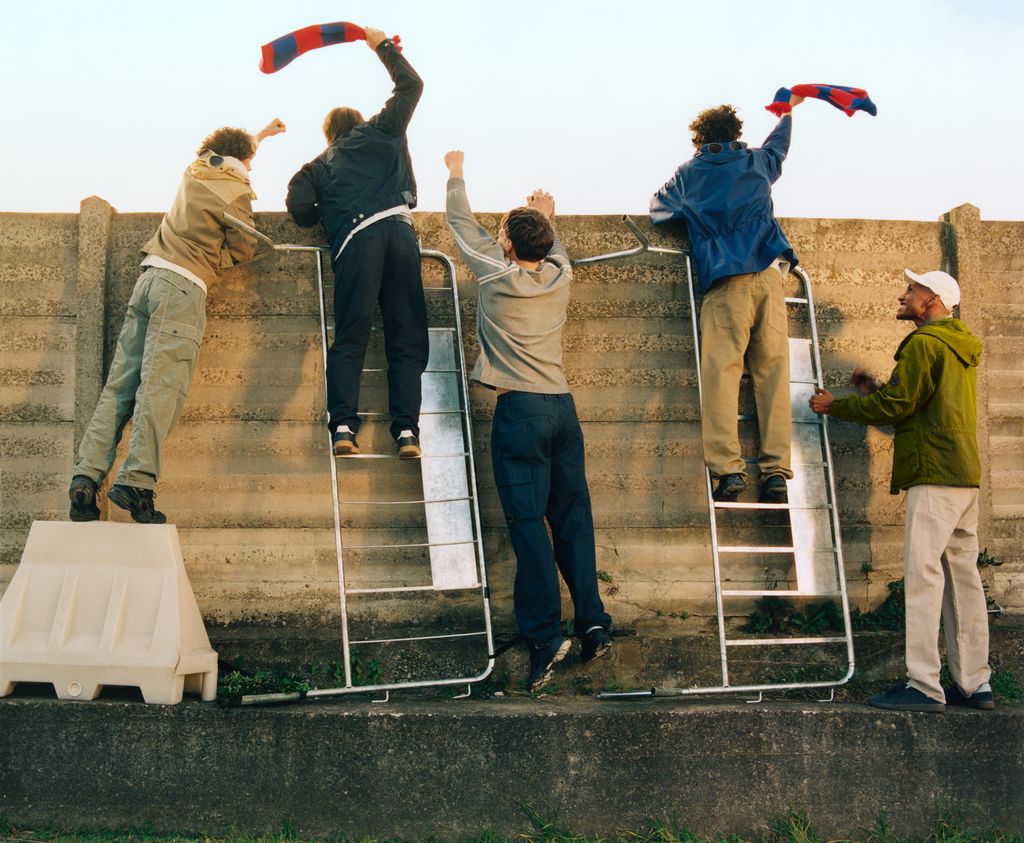
For its part, Nike continues its dialogue with Palace, confirming the growing crossover between skate culture and football. Some brands are opting for a more understated strategy. C.P. Company, whose DNA is closely tied to British terraces, recently unveiled a video campaign celebrating the collective rituals of football without ever explicitly mentioning the World Cup.
Tapping into the excitement without relying on the official apparatus: the exercise allows these brands to preserve a degree of autonomy. Fashion thus asserts itself as an interpreter rather than a mere relay.
Building community around the beautiful game
The World Cup is no longer just a succession of matches. It’s a pretext for gatherings. Public screenings, talks, immersive pop-ups, cultural activations: host cities will become hybrid stages where sporting performance meets creative expression. The scenes of jubilation after Paris Saint-Germain’s victory in the Champions League final are still fresh in memory. The buzz is likely to be palpable across European capitals. In a fragmented era, football offers a rare moment of togetherness.
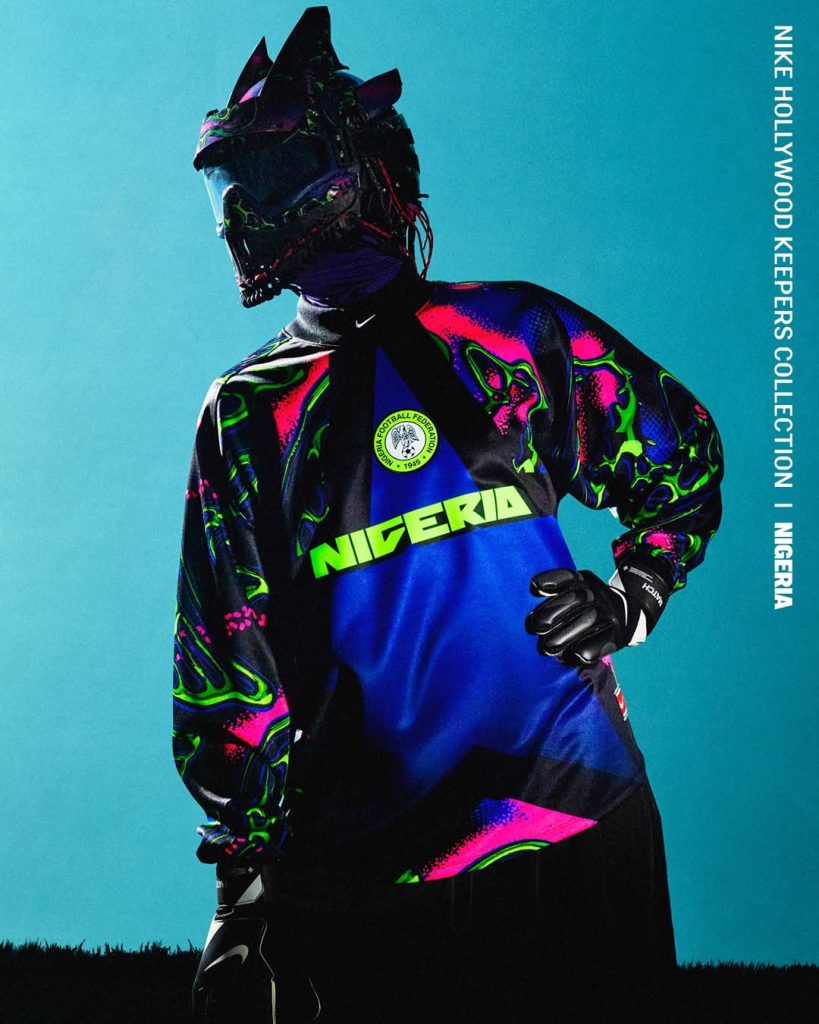
When the final whistle blows, the scores are sealed and the heroes crowned, the players’ silhouettes will continue to spark conversation. The football jersey will once again confirm that it is no longer a simple uniform, but a cultural symbol.