

2025 was a particularly eventful year for fashion. Artificial intelligence integrated into creative processes, unexpected collaborations, controversial campaigns, and the reissue of cult pieces shaped a year marked by heavily mediatized highlights. While the second-hand market continued to grow, Shein’s arrival at BHV Marais sparked heated debate, highlighting the contradictions of a sector torn between commercial appeal, image, and ethics. More than ever, fashion goes beyond clothing alone: it is written simultaneously on runways and screens, shaped by the logic of digital platforms.
Luxury houses: the era of permanent transitions
The year 2025 extends and intensifies a movement that began in previous seasons: a near-constant game of musical chairs at the helm of major fashion houses. No sooner is one appointment announced than another follows, giving the impression of an industry in perpetual rewriting. A symbol of this instability, Dario Vitale recently announced his departure from Versace after just eight months as creative director. A few days earlier, Olivier Rousteing left Balmain, closing a major chapter in the house’s recent history.
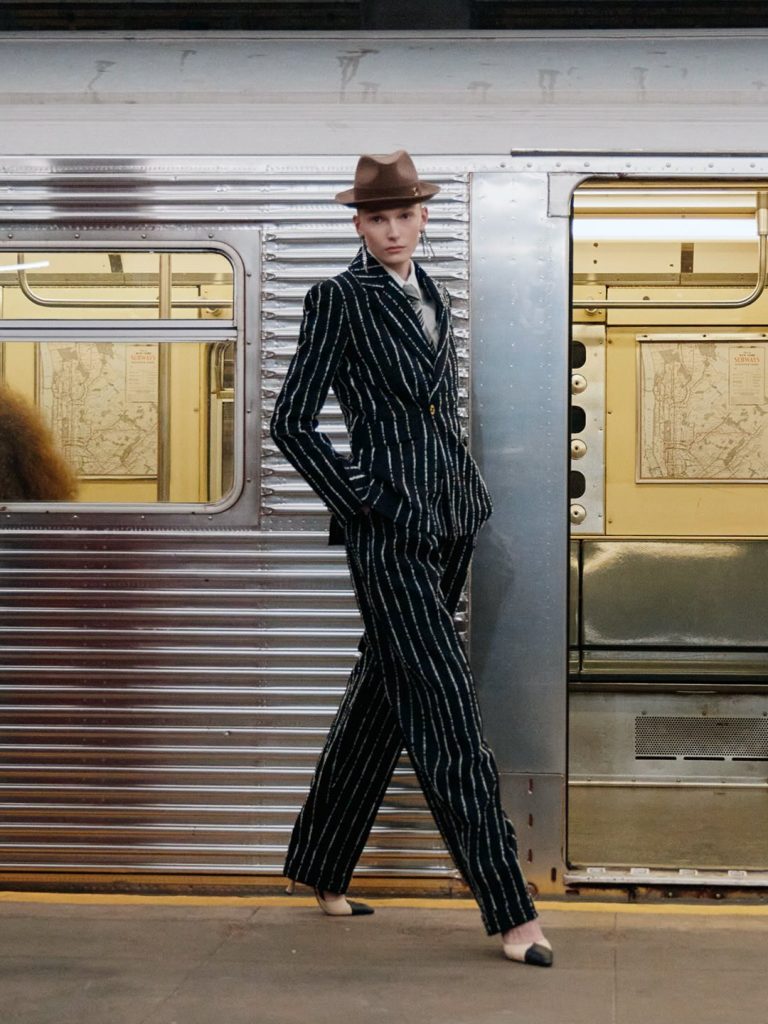
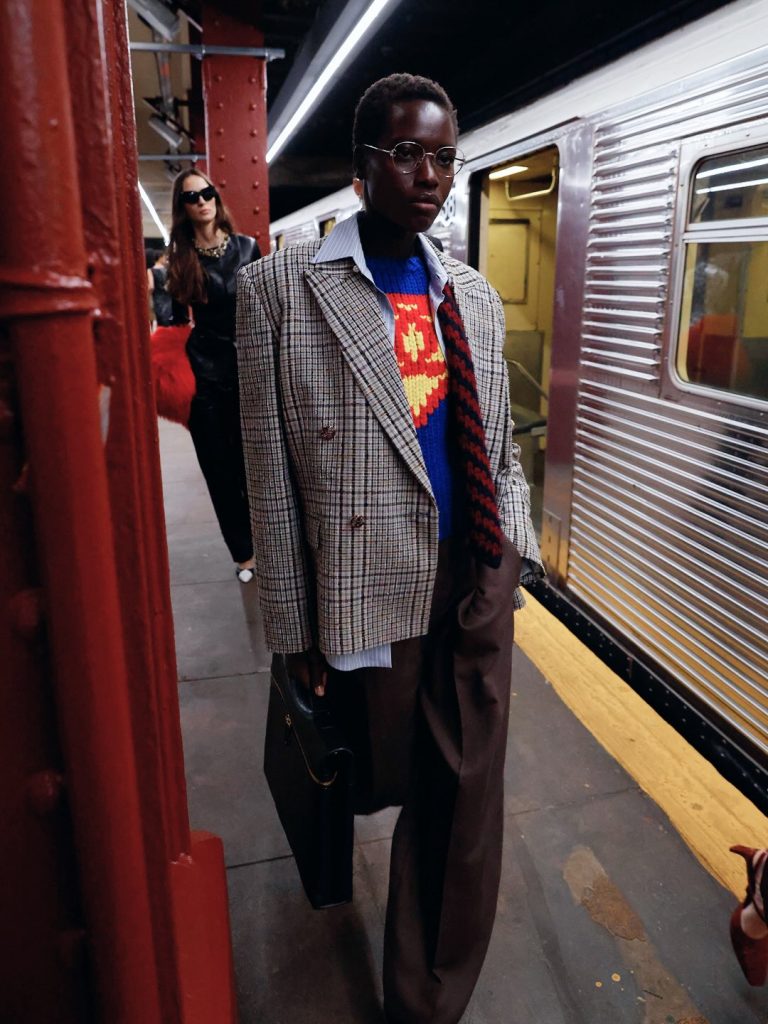
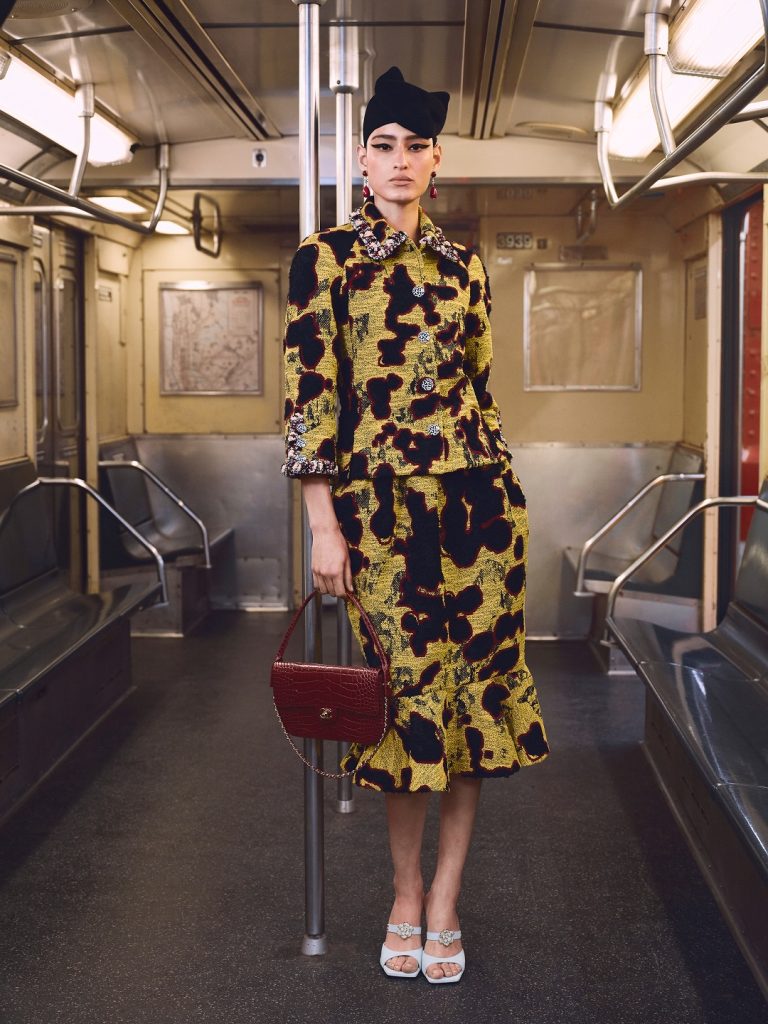
If departures signal breaks, arrivals have broadened the field of possibilities. Matthieu Blazy’s arrival at Chanel has crystallized strong expectations: those of a renewal able to engage with the house’s heritage while remaining firmly rooted in the present. At Bottega Veneta, Louise Trotter’s appointment stands out as one of the most coherent transitions of the year.
By contrast, Jonathan Anderson’s departure from Loewe left a noticeable void. The house’s momentum appears to have slowed slightly, particularly visible in its decline in popularity. The contrast is striking with Saint Laurent which, under the steady direction of Anthony Vaccarello, continues its upward trajectory and more than ever stands out as one of the most desirable brands of the moment.
2025 and its new fashion fetishes
Against the grain of a fashion world dominated by storytelling and image, certain pieces assert themselves through functionality as much as visibility. Running and trail shoes have firmly entered everyday wear, driven by a search for comfort as well as by brands’ ability to turn technical references into cultural markers. Nike has regained a central place in the media landscape, mainly through targeted collaborations such as the one with Jacquemus, which redefine the boundaries between performance, image, and use.
“Once an it-bag, always an it-bag”


Chloé’s Paddington bag, reissued under the direction of Chemena Kamali, perfectly illustrates this fascination with pieces from the 2010s. According to the Lyst 2025 report, searches for the bag jumped by +570% following its relaunch, placing it among the most sought-after accessories of the year. This visibility reflects both an attachment to classics and their appropriation by a new generation of buyers and influential figures. At the same time, loafers, particularly those by Saint Laurent and The Row have also seen a spectacular rise in searches, becoming must-have pieces.
But 2025 is not limited to classics: the Labubu figures, which have taken over social media feeds, have become true generational symbols. They reflect a fascination with playful almost childlike objects, reminding us that fashion is no longer measured solely in clothing, but also in talismans and charms.
A fashion landscape less centered on European capitals
Finally, 2025 marks a clearer opening towards scenes long considered peripheral. Growing interest in non-Western brands, such as Fancì Club, a Vietnamese label based in Ho Chi Minh City, reflects this shift. The Dubai and Shanghai Fashion Weeks are also gaining credibility and visibility, gradually establishing themselves as platforms to watch.
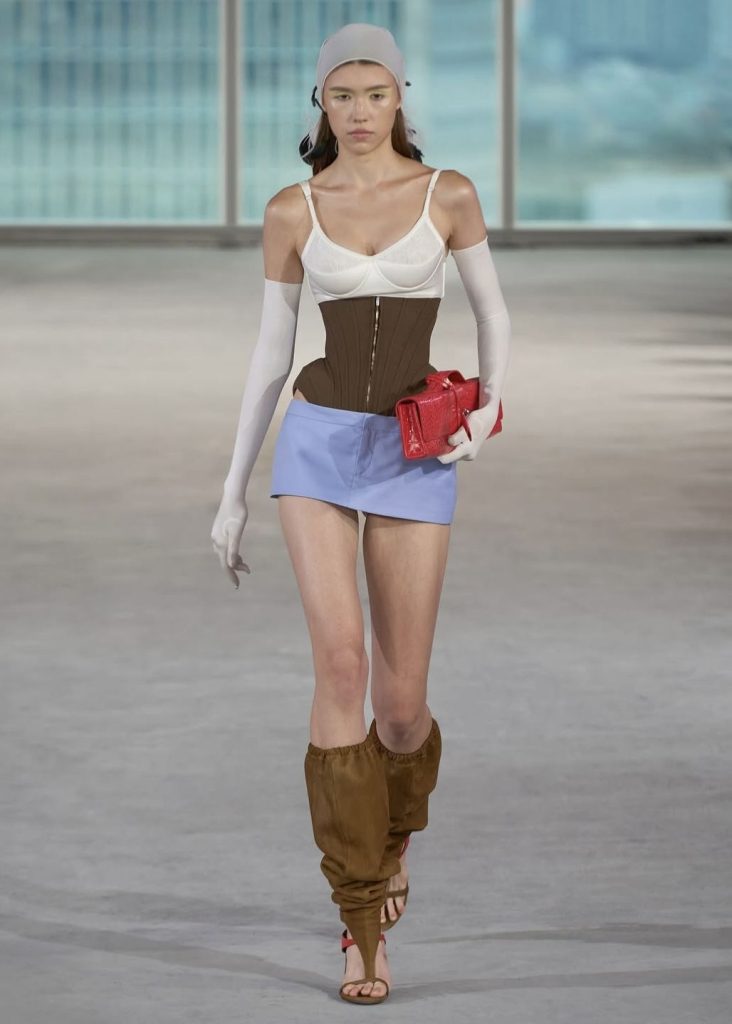
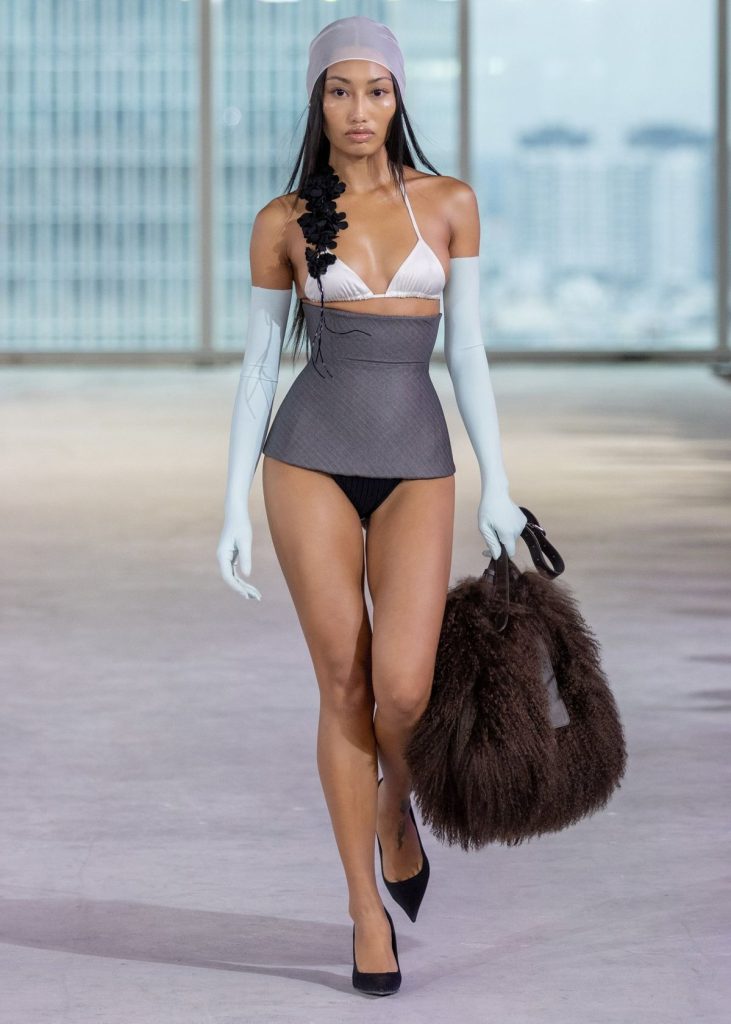
This decentralization dynamic is also visible in France, with the first edition of Marseille’s Slow Fashion Week. Designed on the fringes of traditional Parisian circuits, it offers another way of approaching creation: more local, more committed, but also more playful. Runway shows are no longer the only activities on the program, with talks and even workshops enriching this one-of-a-kind week.
Ultimately, 2025 will not have been the year of a spectacular revolution, but rather one of profound adjustment. A fashion industry that slows down in some places, weakens in others, yet above all seeks to redefine what truly makes sense today: designers under close scrutiny, products built to last, and a gaze that finally extends beyond the (former) fashion capitals. A transition, certainly but perhaps a more conscious one than before.