
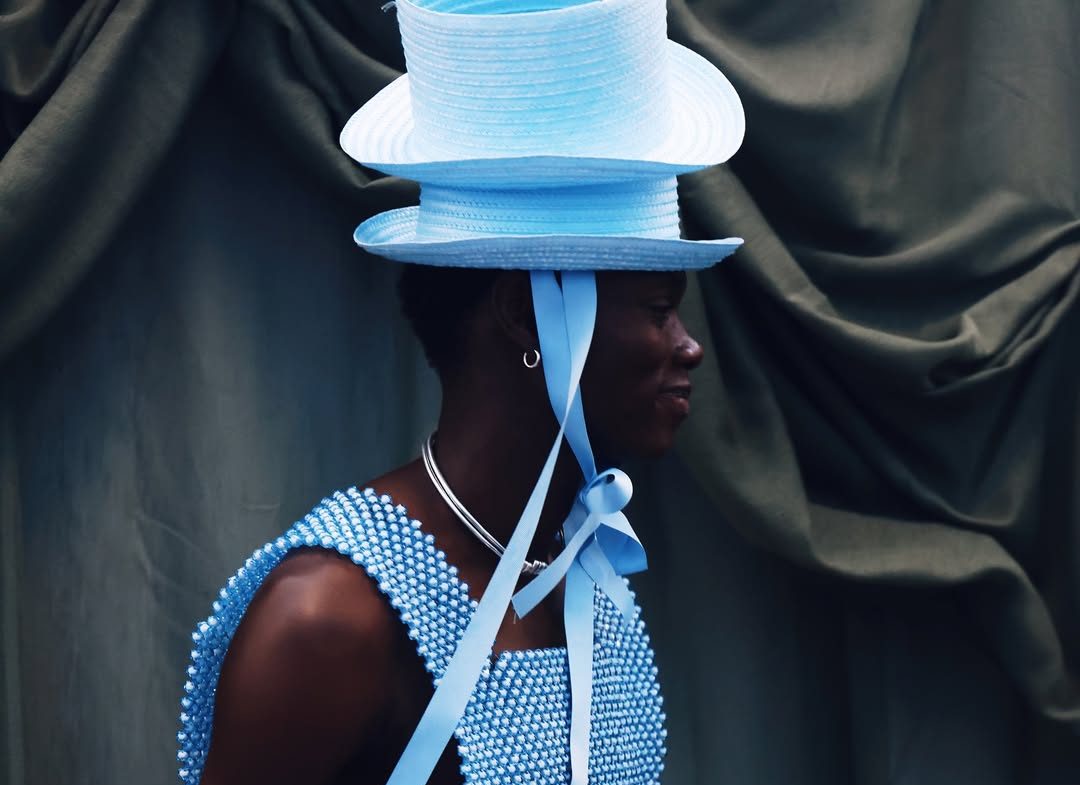
As the Africa Cup of Nations is in full swing in Morocco, international media attention is turning toward the African continent. A spotlight that goes far beyond sport: for several seasons now, African fashion has established itself as a major creative force, driven by initiatives such as Africa Fashion Up. From Morocco to Senegal, from Nigeria to South Africa, a new generation of designers is emerging, championing craftsmanship and redefining the contours of a scene that has become truly unmissable.
Iamisigo : Craftsmanship as an act of resistance
Founded in Lagos by Bubu Ogisi, Iamisigo has established itself as one of the most committed labels on the African continent. Featured at Lagos Fashion Week, the brand operates at the crossroads of fashion and activism. Each collection examines post-colonial legacies while spotlighting African artisanal practices through the use of ancestral techniques.
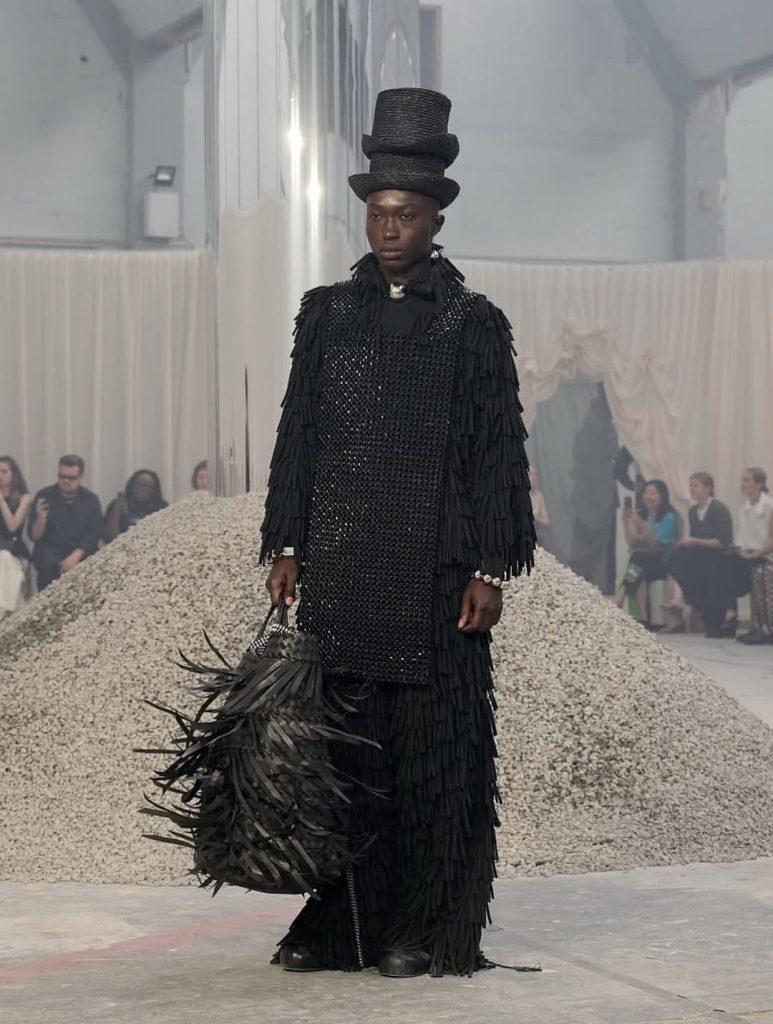
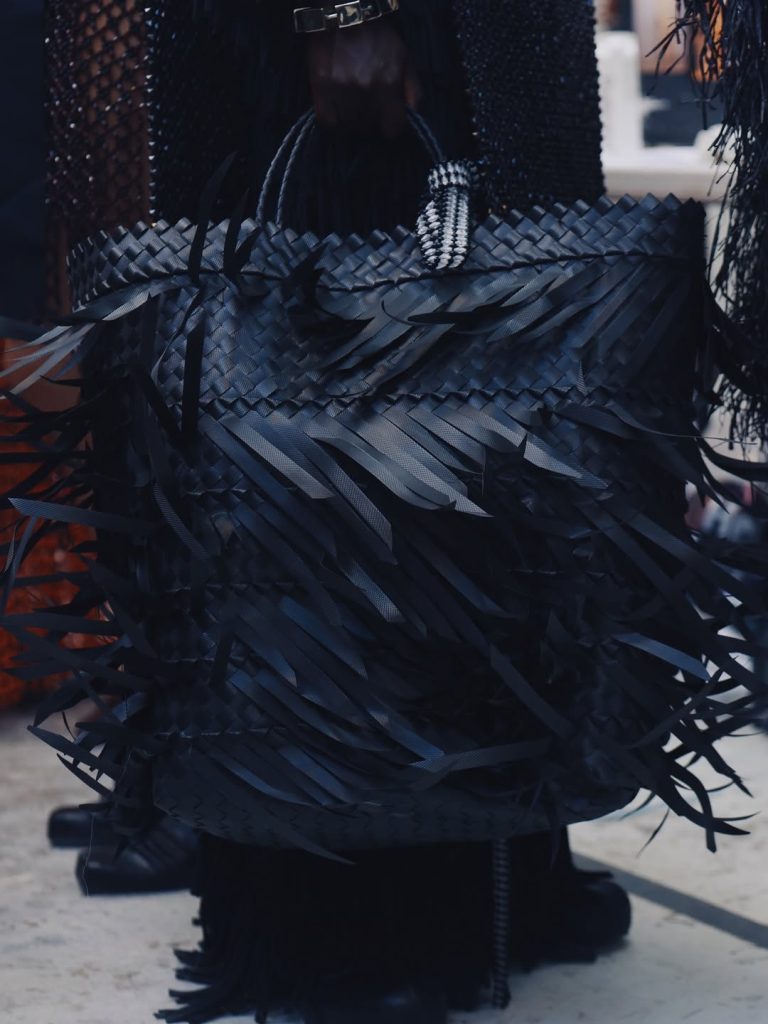
The designer also grounds her work in a clear ecological approach, reusing fibers and reclaimed materials. This commitment is reflected in full transparency across every stage of production. Last August, Iamisigo reached a new milestone by winning the Zalando Visionary Award, which comes with a mentorship program and a €50,000 grant. Its SS26 collection, titled Dual Mandate, perfectly encapsulates this dual ambition: creativity and responsibility.
Lateforworkwear: Deconstructing to rebuild
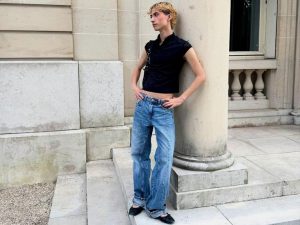
Behind Lateforworkwear is Youssef Drissi, a Moroccan designer trained at Casa Moda in Casablanca. The label’s name, taken from his graduation collection, sets the tone for a wardrobe that revisits workwear through a deliberately offbeat lens. Here, conventions are dismantled along with gender boundaries, which the designer refuses to define or fix.
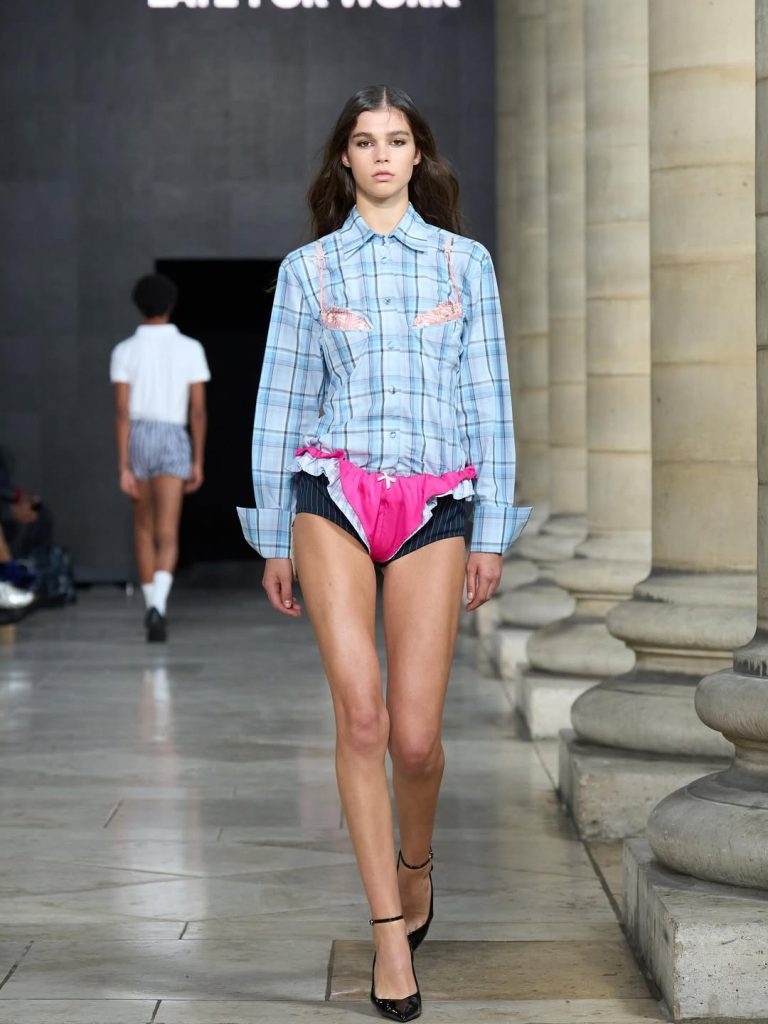
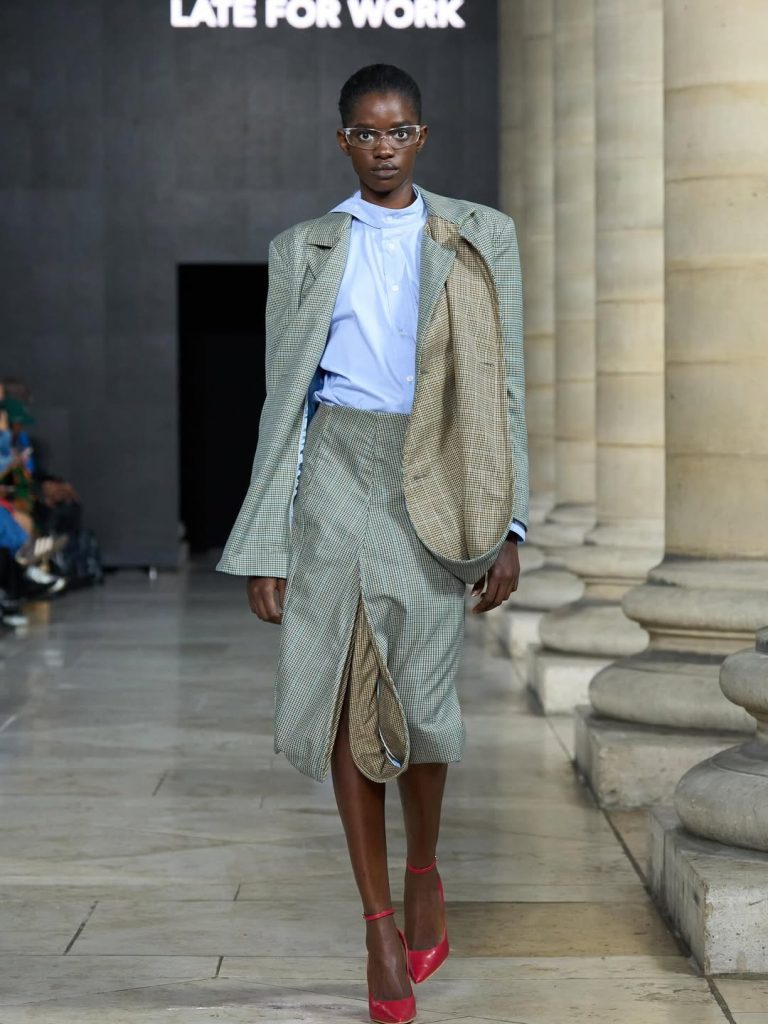
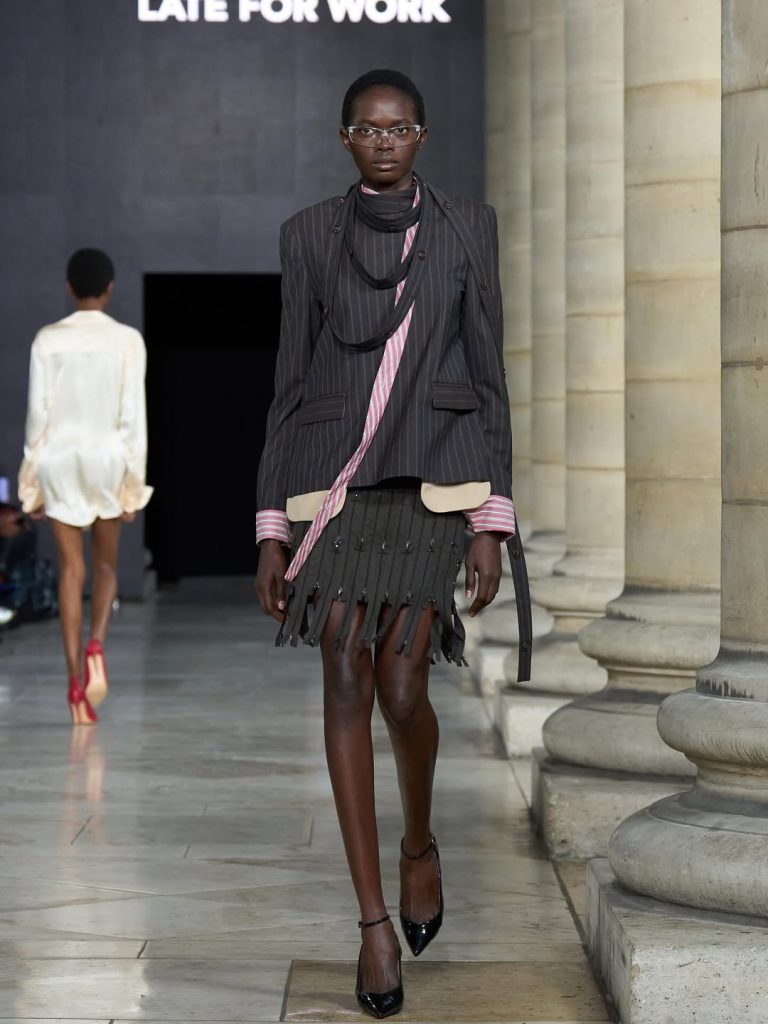
His responsible approach is rooted in upcycling. A stance that quickly earned him international recognition, notably with the ready-to-wear award at the Fashion Trust Arabia ceremony. For the SS26 season, Lateforworkwear presented its collection at Tranoï during Paris Fashion Week.
Maison Kébé : A fashion that refuses urgency
Founded by Senegalese designer and model Cheikh Kébé, Maison Kébé defines itself as an Afro-diasporic label. A graduate of ENSA Marseille, the designer champions an artisanal, local approach, positioning it in opposition to accelerated production models.
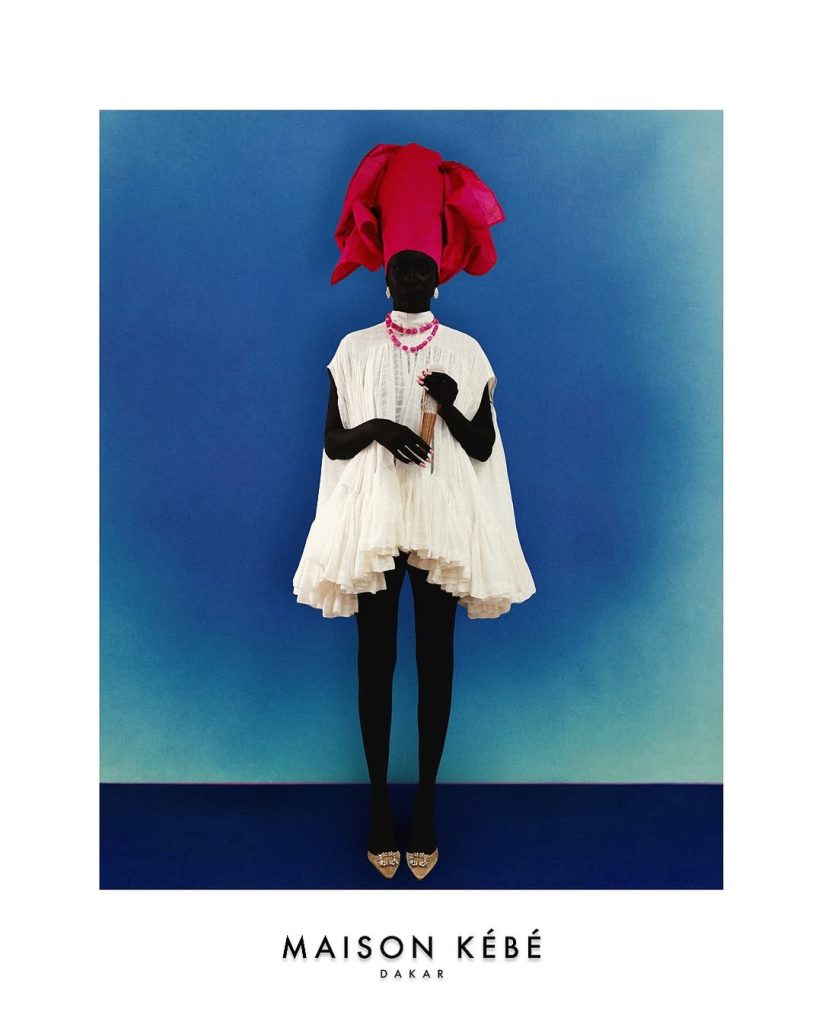
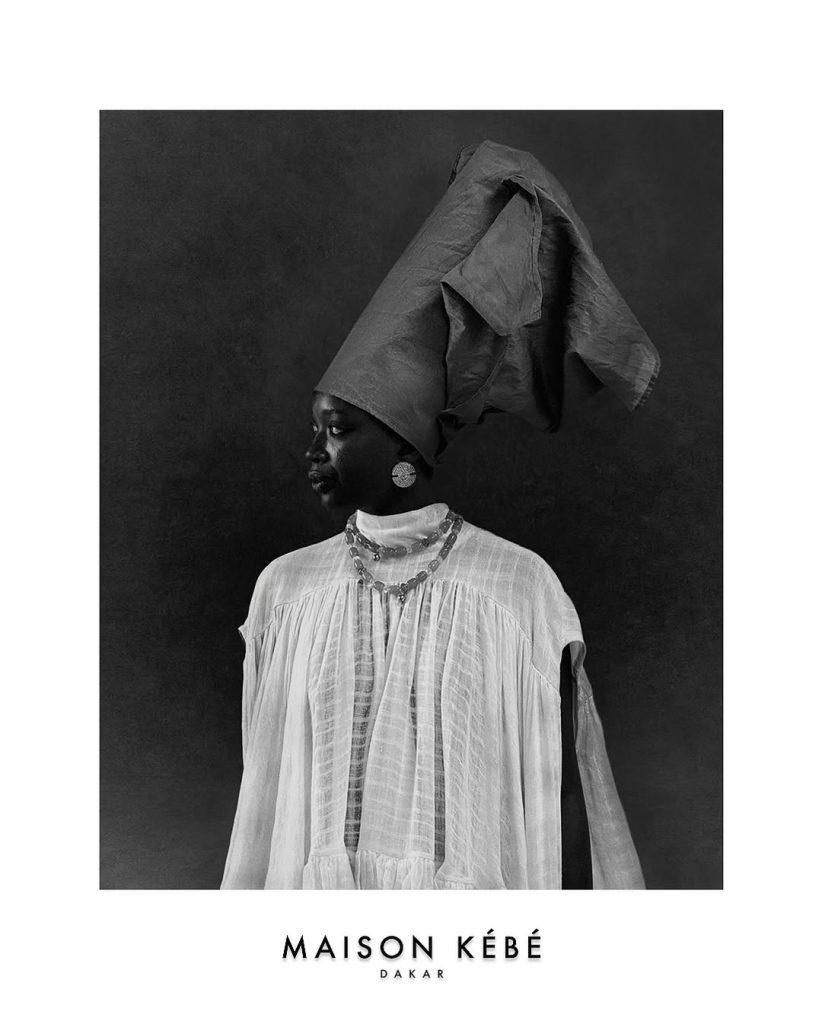
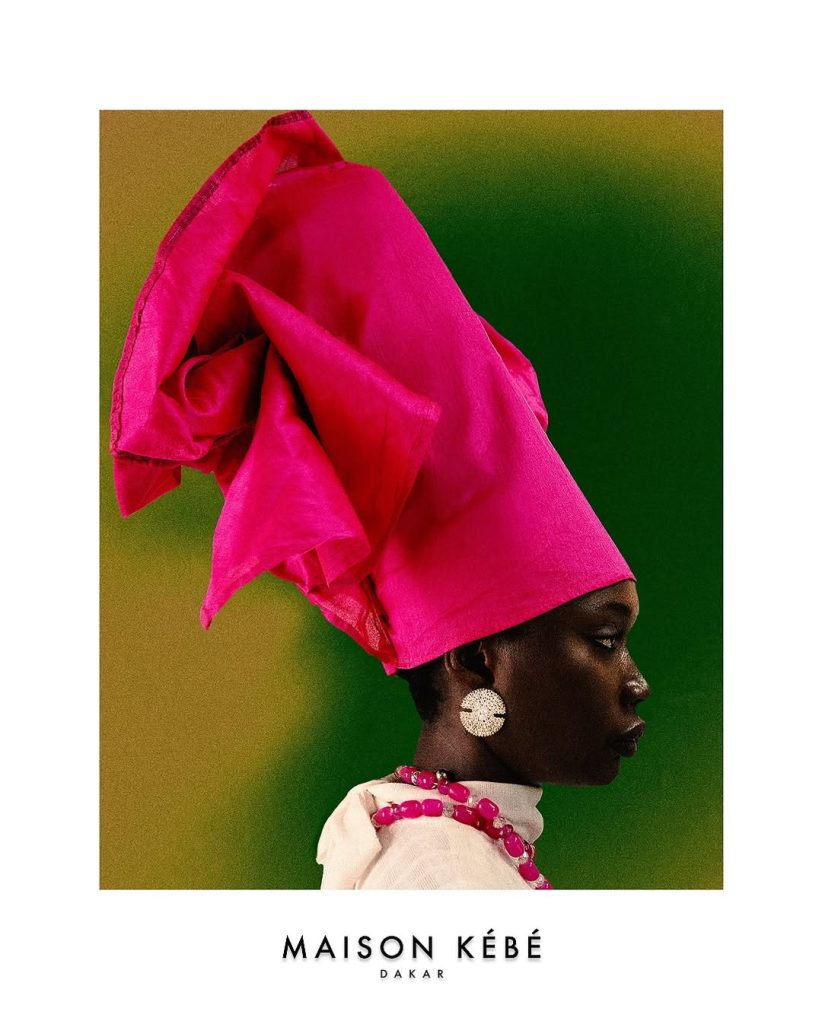
Awarded the Fashion Enthusiasm Prize at the MMM competition organized by Maison Mode Méditerranée, Cheikh Kébé shares a motto on Instagram that has become a signature: “We don’t disappear, we sew.” A phrase that encapsulates a philosophy in which slowness, handcraft, and the transmission of ancestral practices are political acts as much as creative ones.
Thebe Magugu: Transforming memory into garments
An essential South African designer, Thebe Magugu has been developing for the past decade what he describes as an “Afro-Encyclopaedic fashion.” Winner of the LVMH Prize in 2019, several of his pieces have since entered the permanent collections of the Costume Institute in New York, inscribing his work into the history of contemporary fashion.
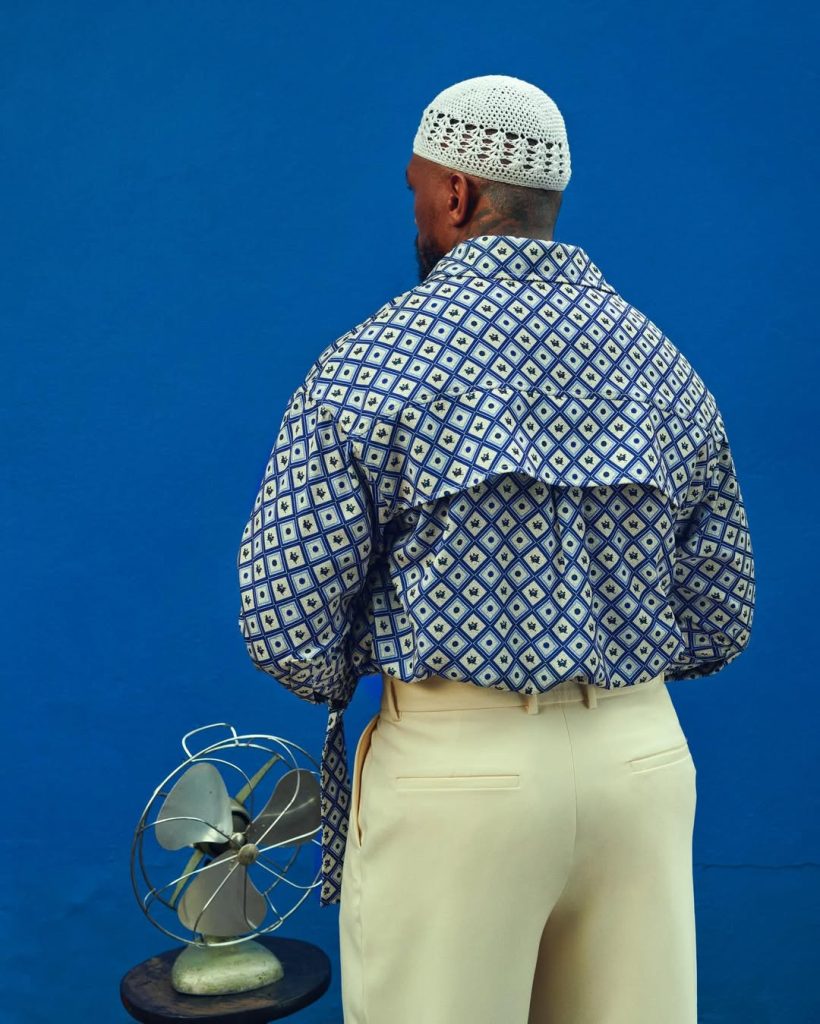
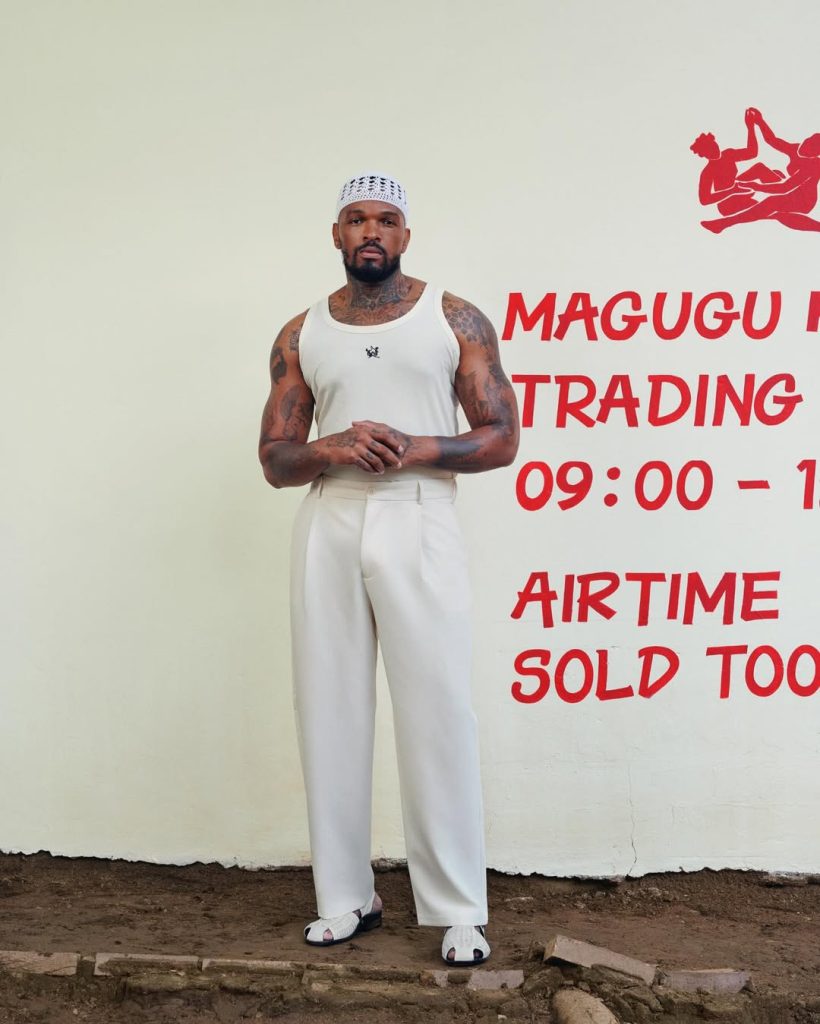
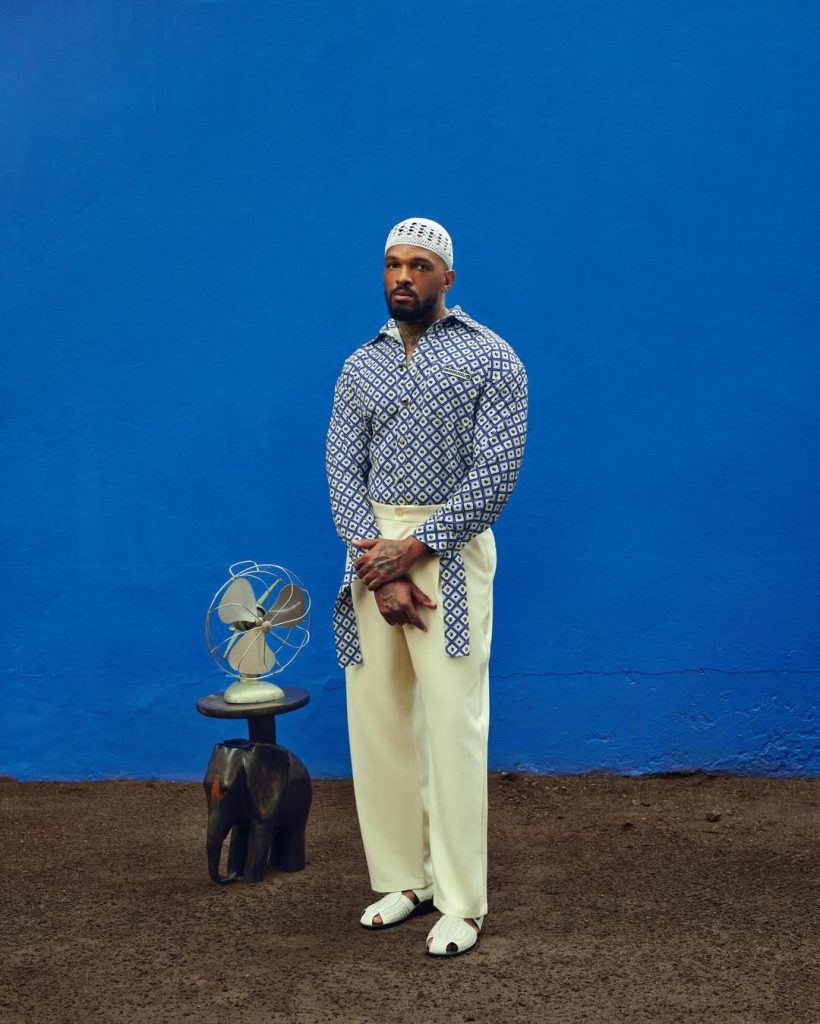
Dressing artists such as Lauryn Hill and Tyla, the designer often draws on everyday objects to inform his collections. He has, for instance, transformed the motif of a traditional mohair blanket: the tjale, into a series of silk garments. A sensitive translation, in which textile becomes an intimate narrative.
Tia Adeola: When the 2000s meet Lagos and New York
Launched in 2016 from a student bedroom, Tia Adeola’s eponymous label is now moving between New York and Lagos. Showcased during Fashion Weeks, it quickly won over the international scene, earning its founder a spot on the Forbes 30 Under 30 list.
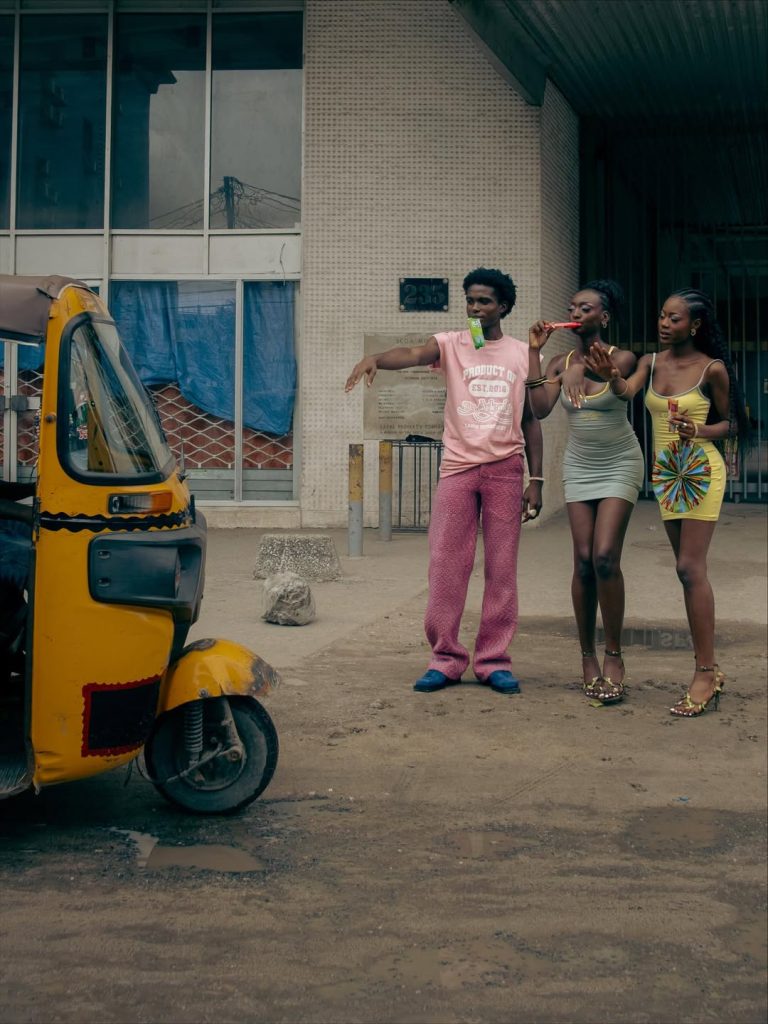
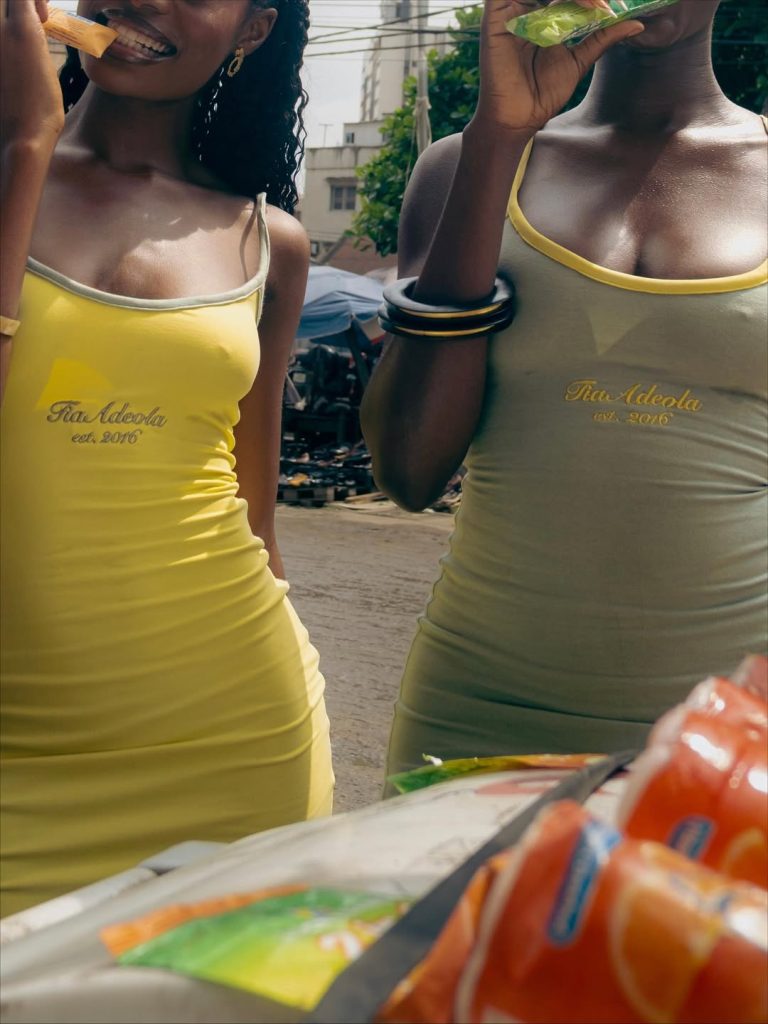

Her world draws inspiration from the 2000s, with signature pieces such as brightly colored cropped polos, directly inherited from the Ralph Lauren styles the designer wore growing up. A pop-infused wardrobe already embraced by artists like SZA and Dua Lipa.
Tongoro Studio or African Dream
Founded in 2016 by Senegalese designer Sarah Diouf, Tongoro Studio goes beyond the realm of clothing alone. The label claims a production process entirely carried out in West Africa, with the “Made in Africa” label as its banner. A stance the designer has mainly championed through exchanges with the United Nations.
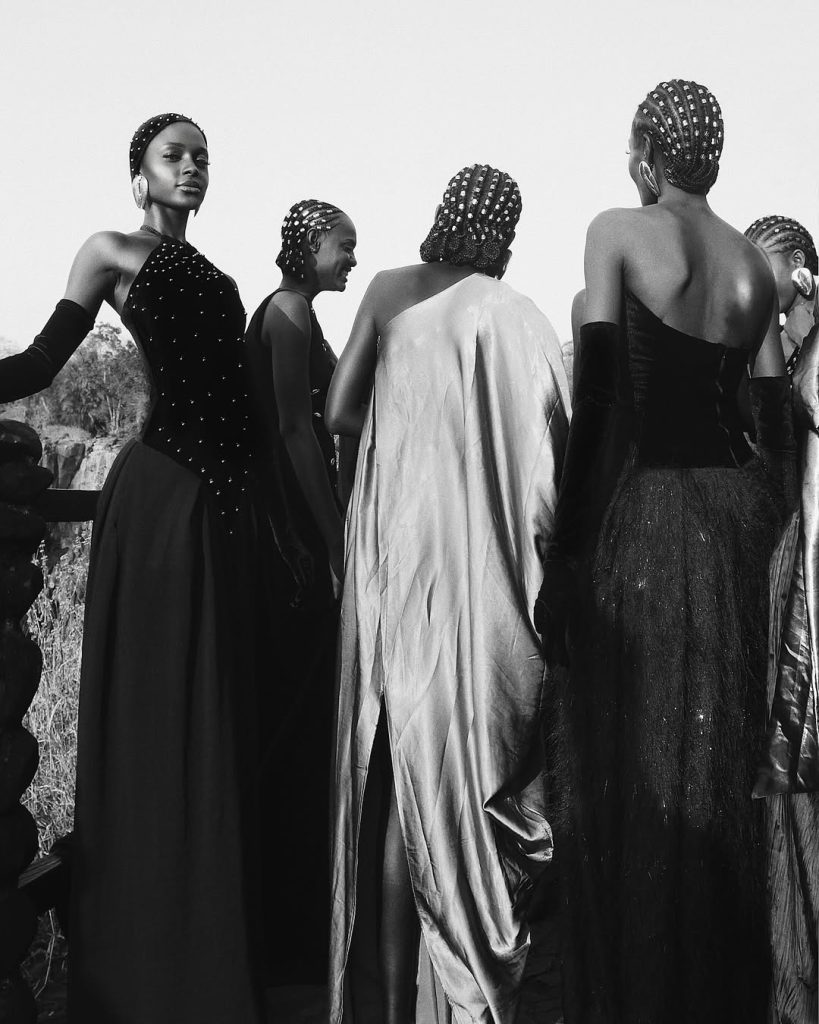
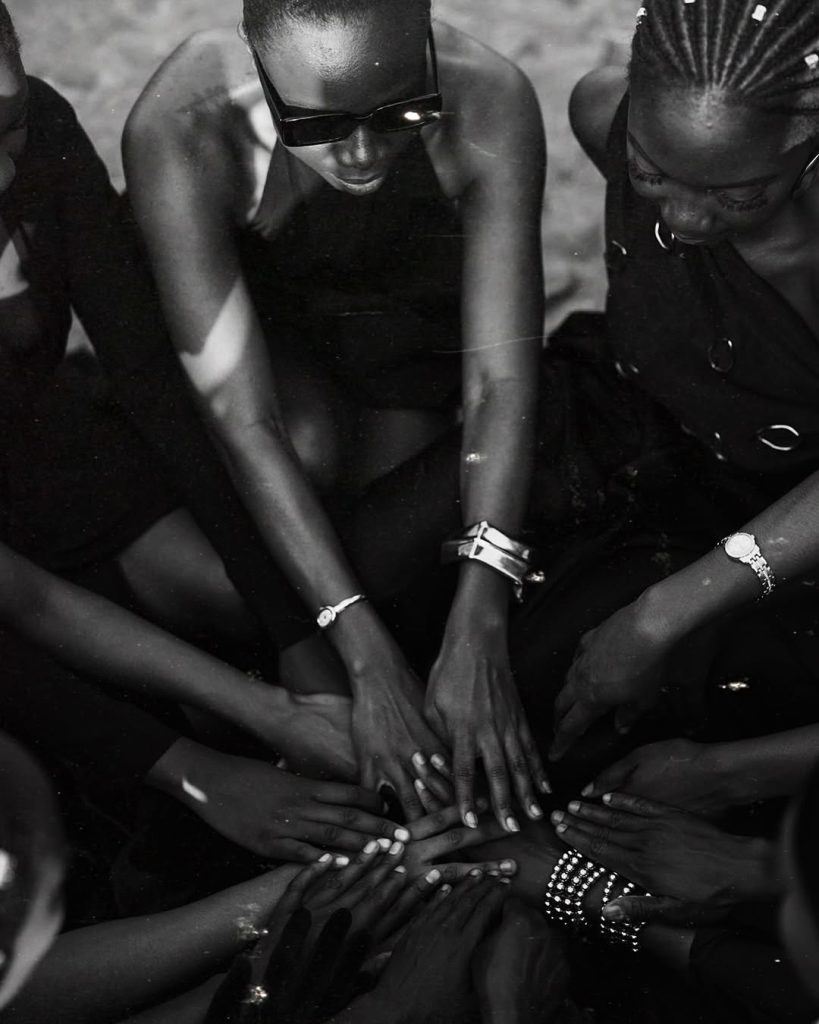
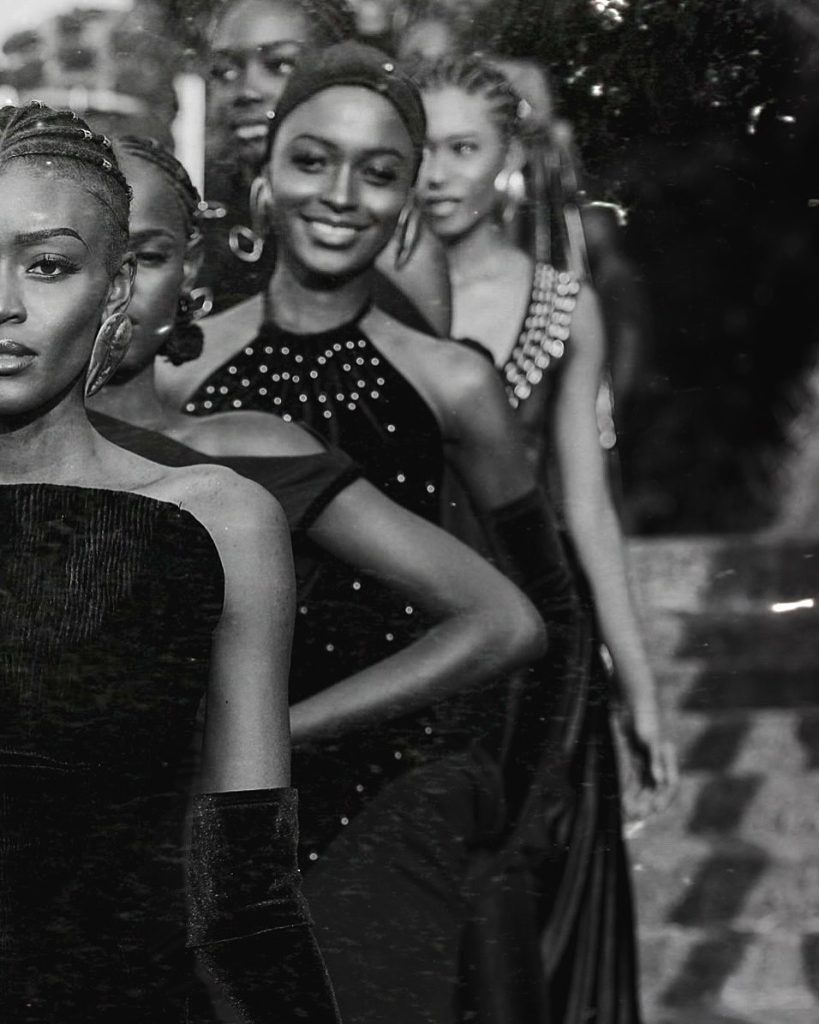
Recently, Tongoro launched its Couture line, confirming the brand’s evolution. Worn by figures such as Beyoncé, Alicia Keys and Burna Boy, the collection reflects a strong creative identity. Drawing inspiration from traditional patterns and the post-colonial era, Sarah Diouf favors black and white tones placed at the service of a confident, distinctive style.