
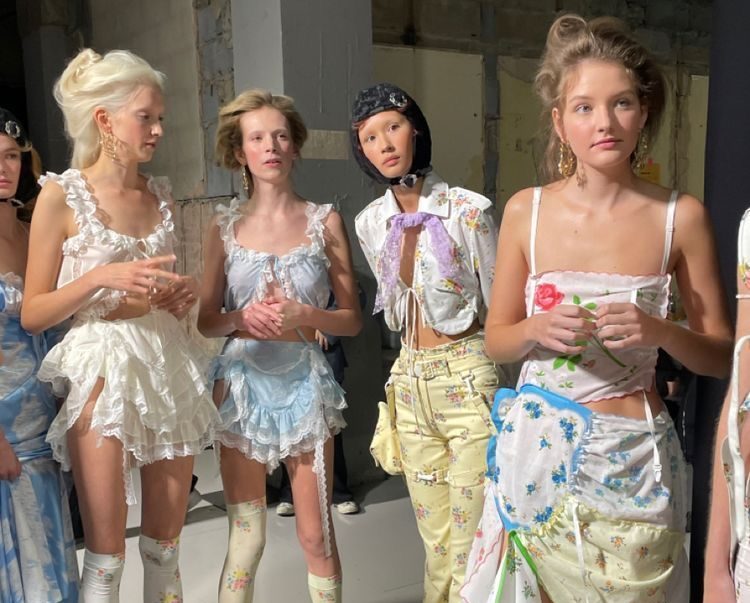
On the fringes of trends driven by instant gratification, an aesthetic from another era has asserted itself in recent seasons. It offers the chance to imagine oneself as a countess, a duchess or a queen for the span of a look, a series or a TikTok. A graceful escape, fueled by historical references, that now permeates the way we dress: reimagined corsets, powdery palettes, controlled volumes. From period costume to viral trends, it seems there is only a small step.
Historical elegance in the digital age
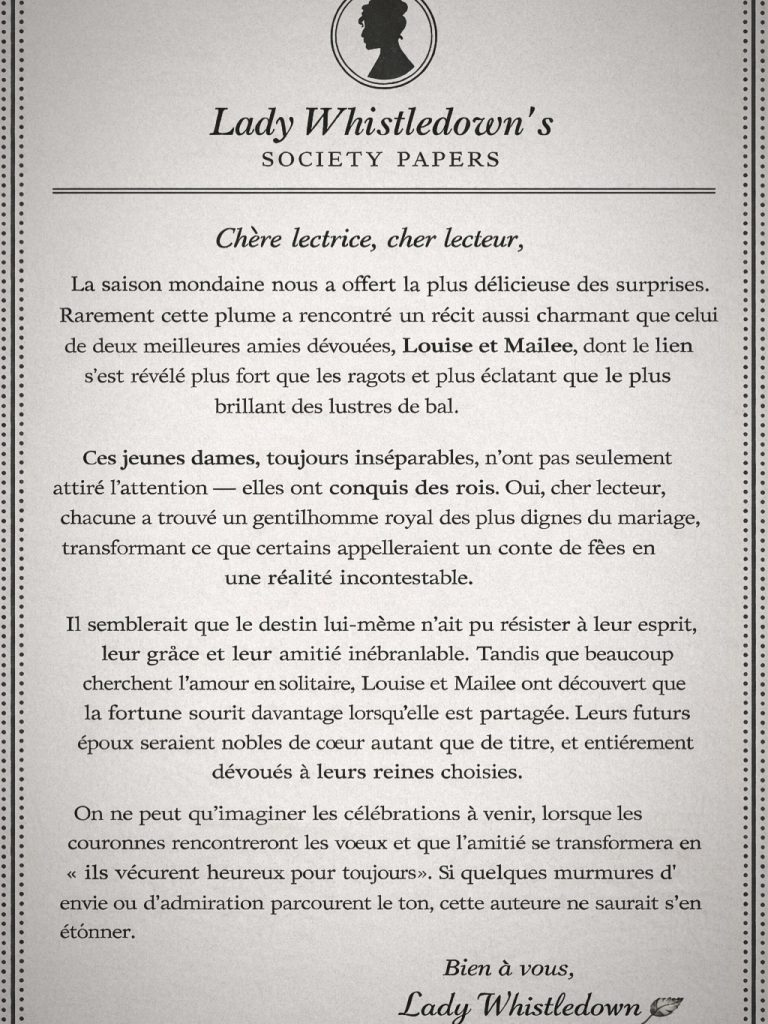
Among the major catalysts behind this return to the past, Bridgerton stands out as one of Netflix’s biggest successes in recent years. Produced by Shonda Rhimes, often dubbed “the queen of television,” the series has far exceeded the confines of the screen to become a genuine cultural phenomenon, spilling over into the streets and onto social media. In Paris, at an event organized to celebrate the release of the new season, a dress code inspired by the show’s universe sparked a flood of reactions on TikTok. Guests revealed their own interpretations of the Bridgerton aesthetic, which were immediately scrutinized by internet users, quick to judge the relevance of each outfit.
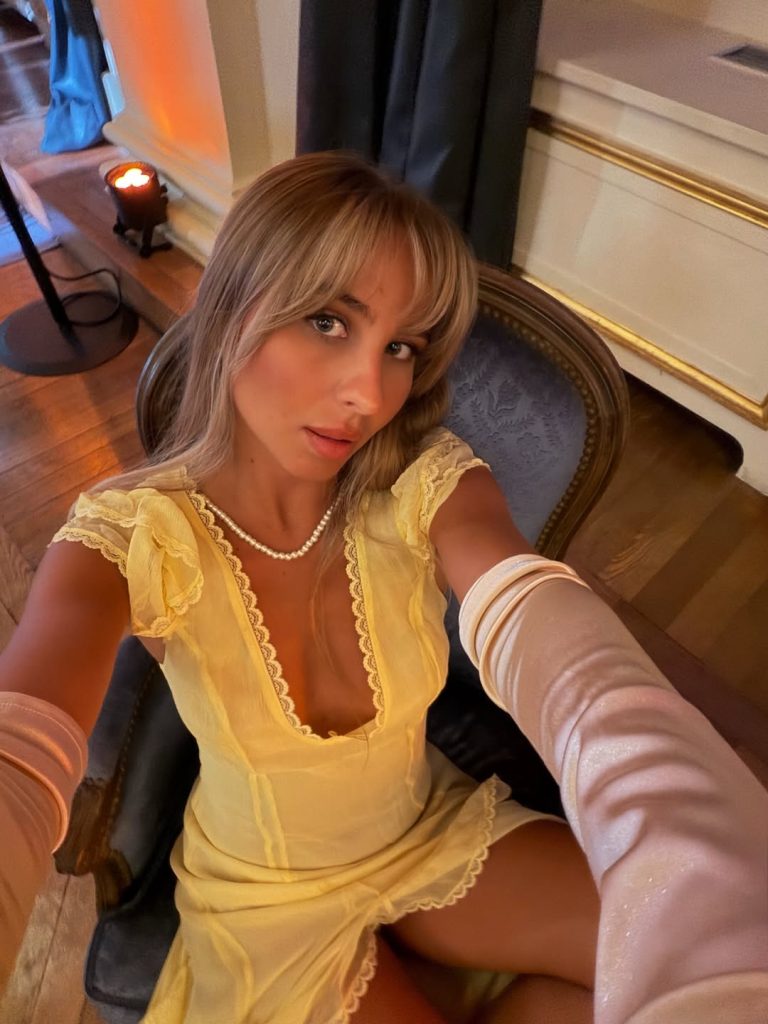
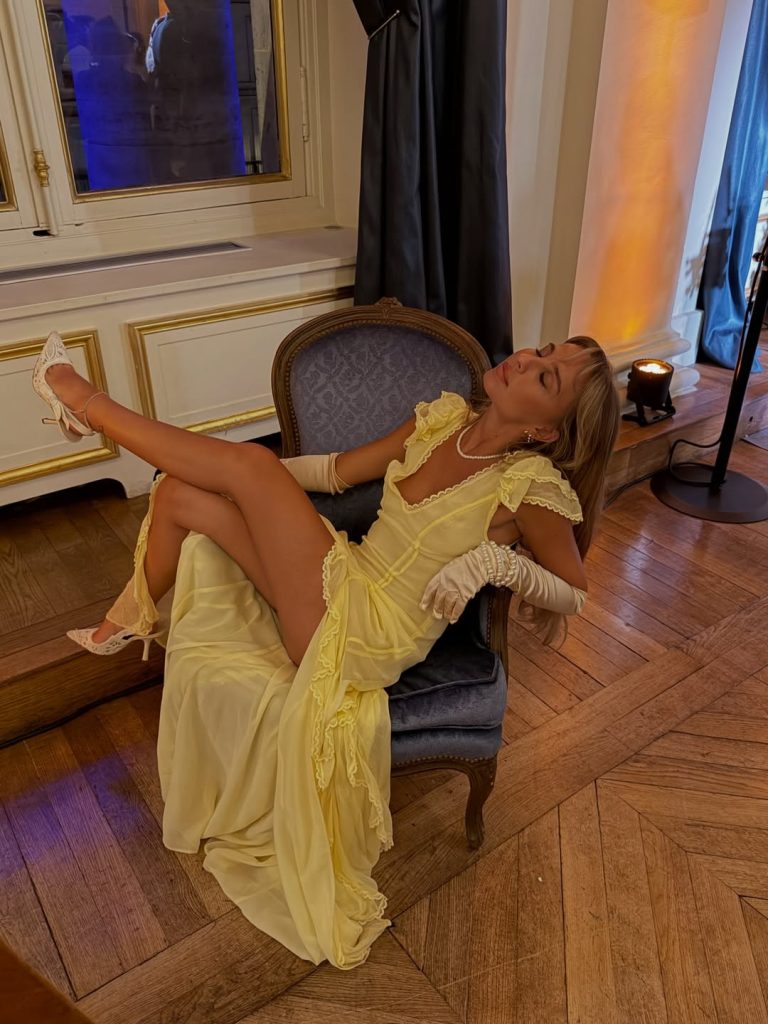
The interest lies less in faithful historical reconstruction than in the contemporary appropriation of certain codes. Like @louisergt, a standout guest at the event, some turn to brands such as Oh Polly to subtly evoke the spirit of Bridgerton: corseted dresses that accentuate the bust, bare shoulders, and pastel hues reminiscent of the English aristocratic style portrayed in the series.
Wuthering Heights: a reinterpretation already stirring controversy
Another project crystallizing expectations is the new adaptation of Wuthering Heights, set for release in France on 11 February. Even before its debut, the film has already generated considerable debate. The casting of Margot Robbie and Jacob Elordi has sparked strong reactions, particularly among readers of Emily Brontë’s work. At the heart of the controversy is the portrayal of Heathcliff by the Australian actor, whose appearance diverges from the character’s description in the novel, where he is presented as dark-skinned. A choice openly embraced by the production, which is clearly capitalizing on the actor’s popularity.
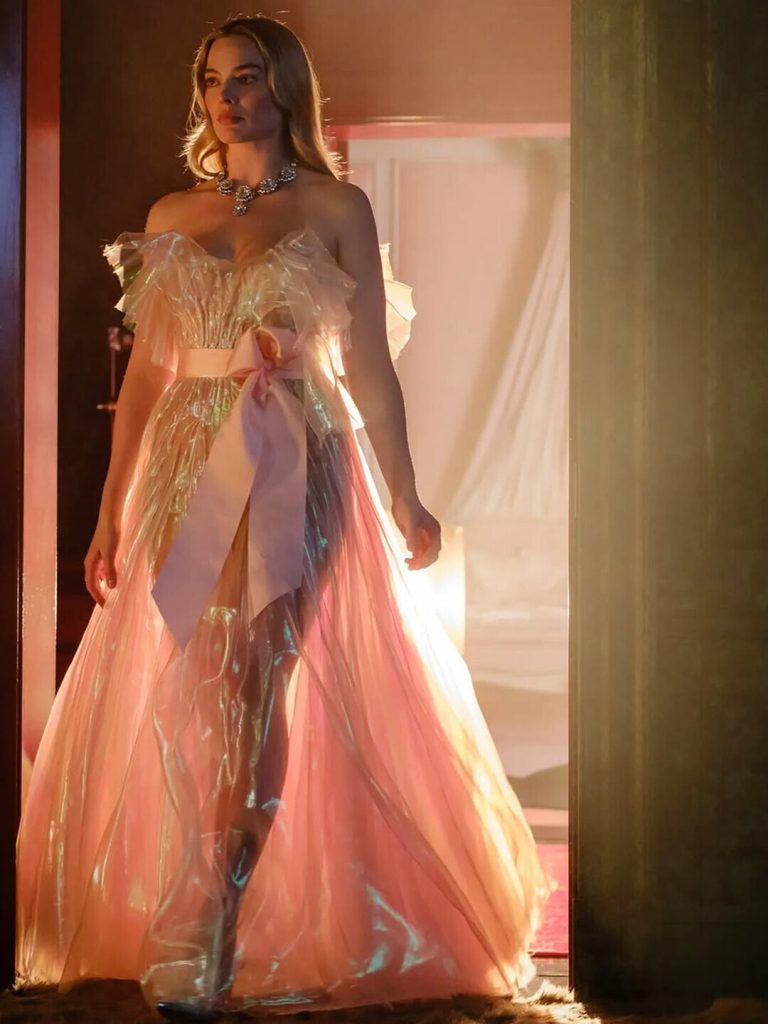
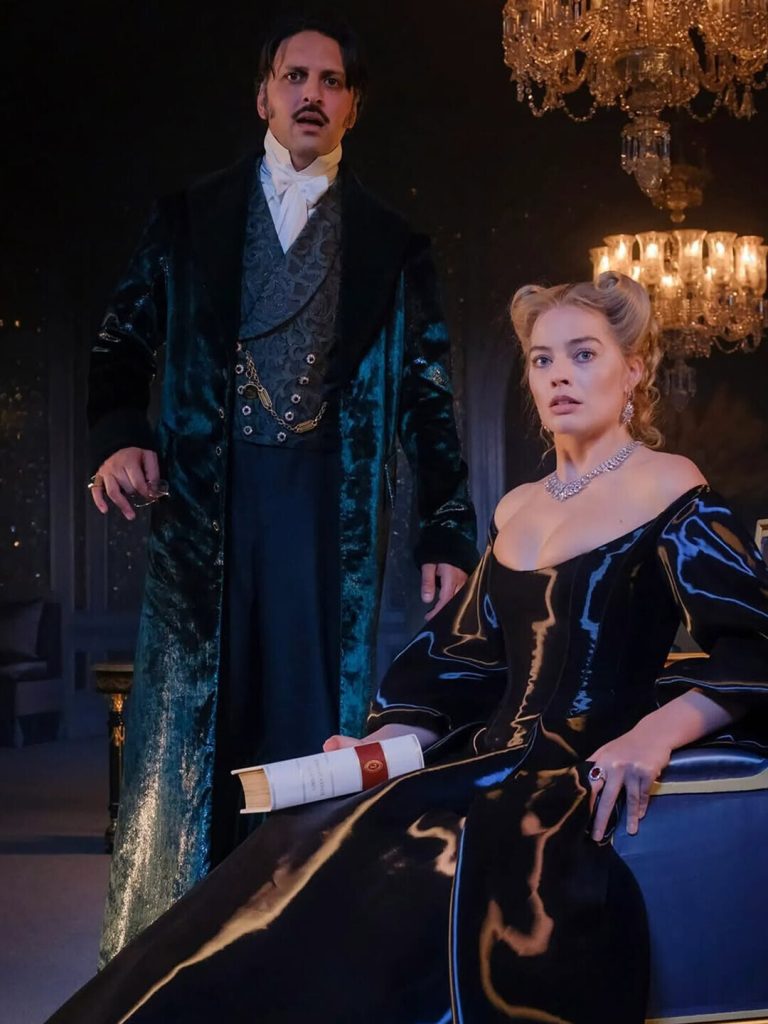
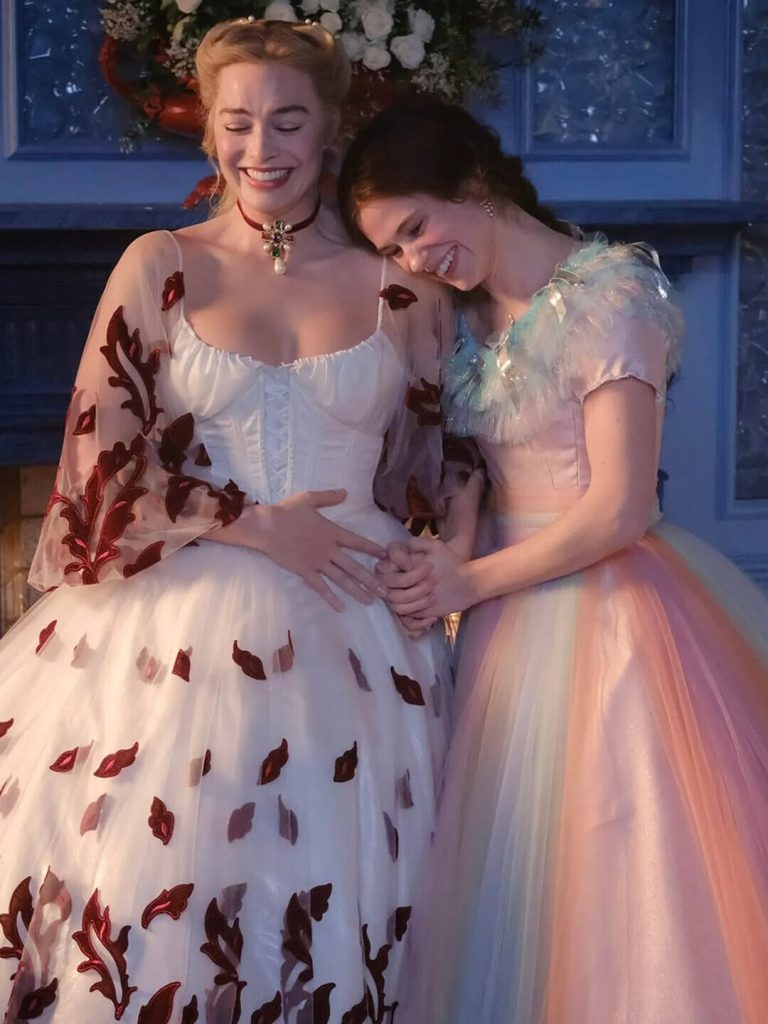
Directed by Emerald Fennell and backed by a Warner Bros. production with an estimated budget of €80 million, this adaptation promises a large-scale spectacle. The costumes already at the center of attention are designed by Jacqueline Durran, a two-time Academy Award winner best known for her work on Little Women. Another 19th-century literary adaptation, based on the novel by Louisa May Alcott.
Her ambition is clear: to surprise. The silhouettes are built on an Elizabethan and Victorian foundation, enriched with more unexpected references, notably to the 1950s. Red emerges as the guiding thread of Cathy’s wardrobe, portrayed by Margot Robbie, for whom nearly fifty outfits were created. A bold reinterpretation that challenges the “classic” codes of literary adaptations.
The #JaneAusten phenomenon: between romanticism and virality
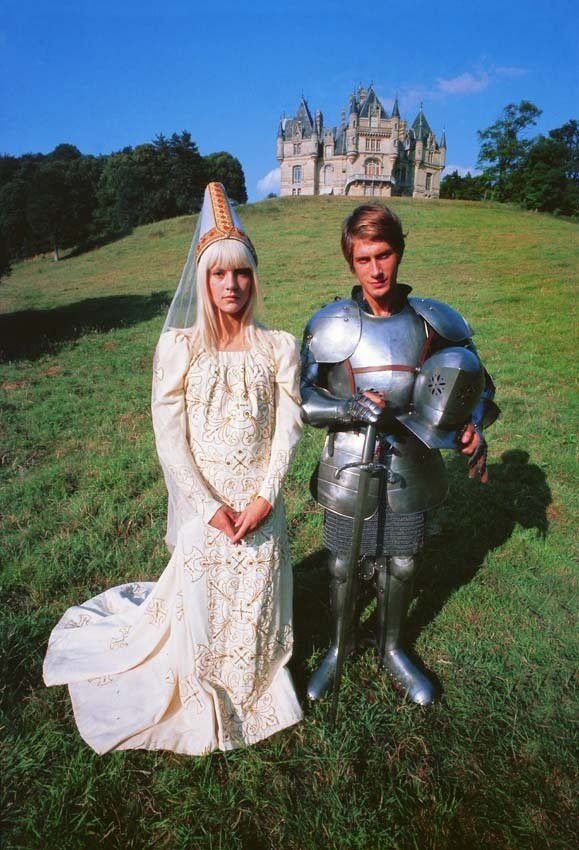
On TikTok, the hashtag #JaneAusten reflects the scale of this fascination with the 18th and 19th centuries, inspired by the world of Jane Austen. More than a matter of clothing, it is an atmosphere users seek to recreate: mist-shrouded castles, long walks through forests, interiors bathed in natural light. Visuals matter just as much as sound, with carefully selected soundtracks. Among them, Golden Brown by The Stranglers has emerged as one of the signature tracks of the trend.
These references now function as imaginary refuges, offering a counterpoint to a present saturated with images and algorithms. TV series, cinema and social media are turning these periods into new creative matrices, from which we draw not only a different idea of style, but also a different relationship to time. Looking back to these centuries is also a way of slowing down, of shifting one’s gaze, of relearning how to find beauty elsewhere.

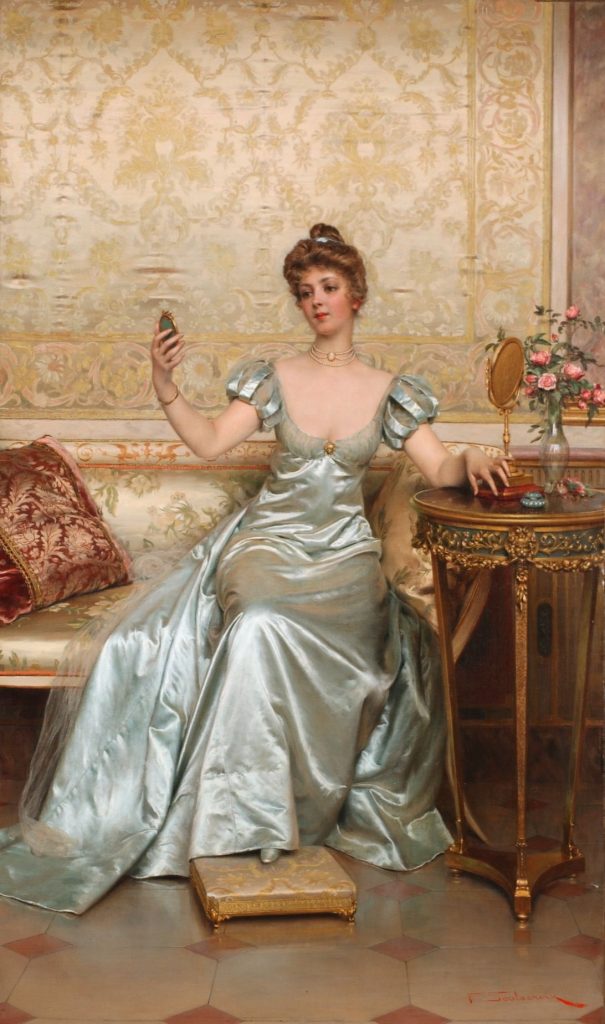
But this escape is not without its paradoxes. Behind the romanticized aesthetic often lies a lingering fascination with the codes of past elites: aristocratic silhouettes, restrictive garments, grandiose settings. By replaying these imaginaries, we question not only our need for escape but also our relationship to power. Caught between a desire for delicateness and an attraction to an idealized hierarchy, the 18th and 19th centuries become contemporary mirrors, revealing less about what these eras truly were than about what we seek, today, to project through them.