

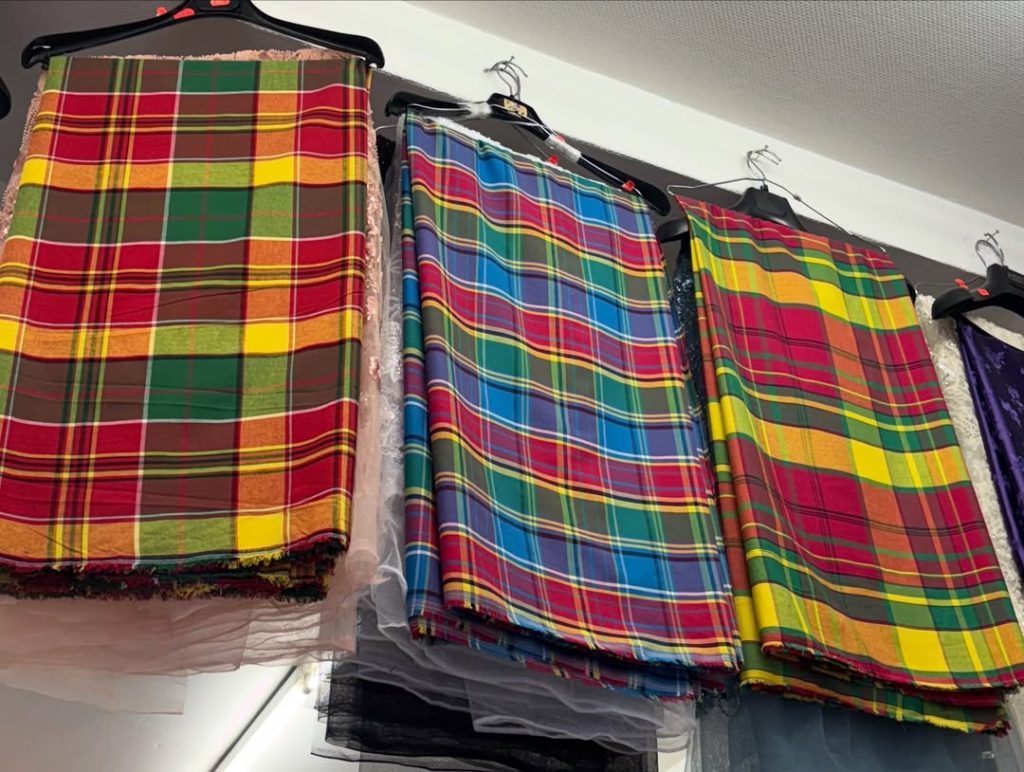
Born under the sun of Madras, shaped by Creole resilience and embraced by Ivy League elites, madras stands as one of the most fascinating anomalies in the modern wardrobe. Between its asymmetrical checks and “bleeding” pigments, this fabric tells a story of dignity and reinvention. A journey through a defiant textile that, from calendered headdresses to contemporary runways, has turned imperfection into its highest form of nobility.
A fabric reclaimed by Creole communities
If Madras is making its mark on today’s runways, it’s because it carries within it the DNA of a defiant elegance. Far from being mere folkloric ornamentation, it emerged in the 17th-century Caribbean as a response to colonial restrictions: where silk was forbidden to women of color, Indian cotton became a new medium of expression. The art of the calendered headwrap, with its coded language of peaks and knots, transformed this fabric into a true tool of social communication and seduction.

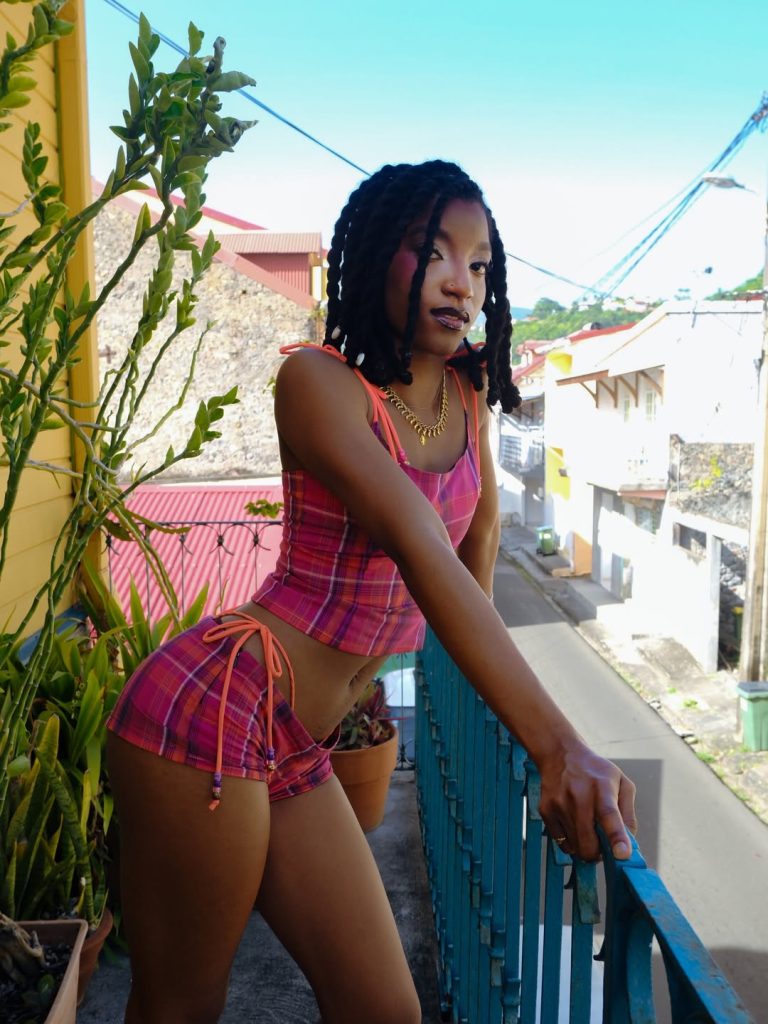
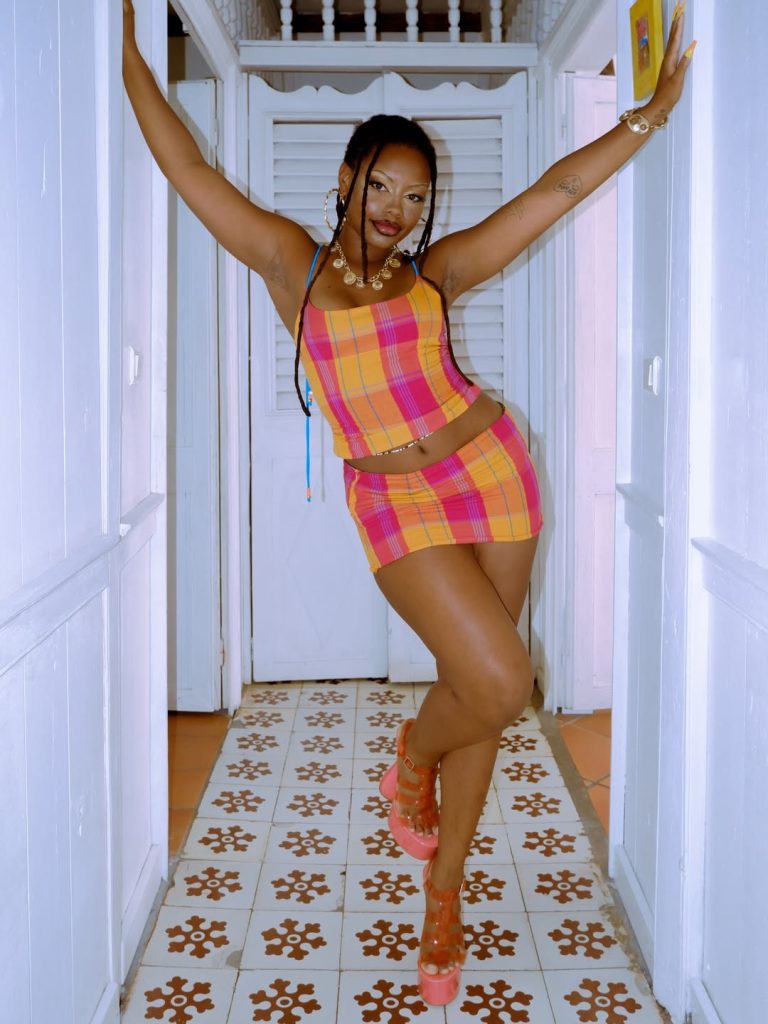
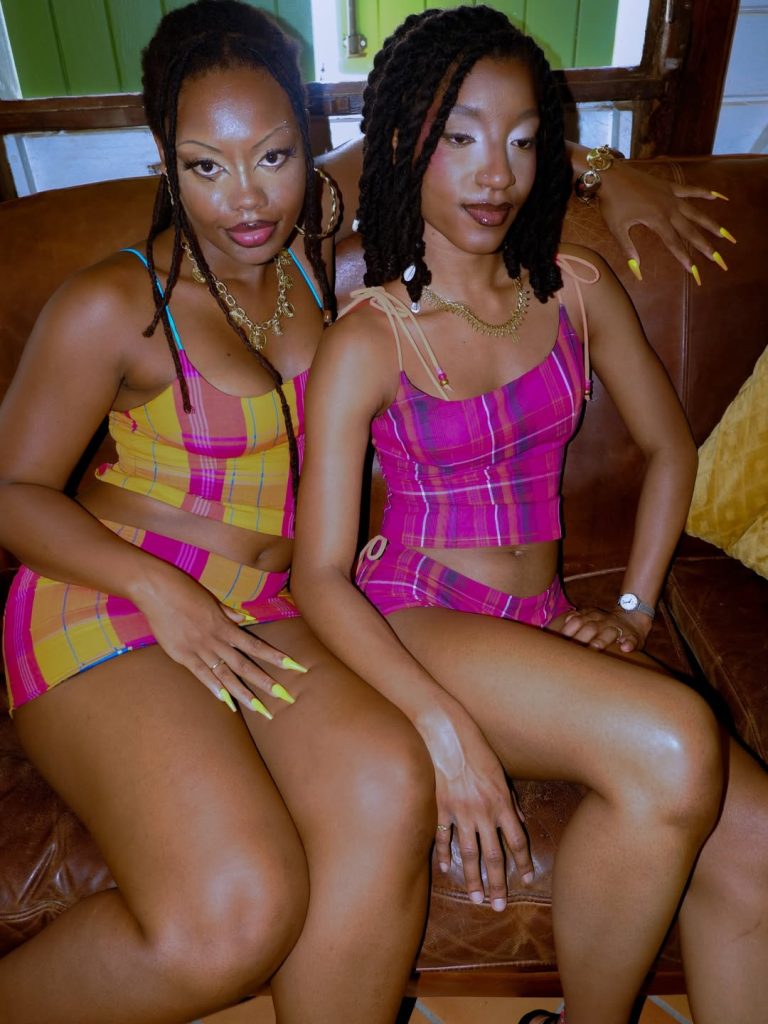
This heritage finds a particular resonance in contemporary fashion, where the checked pattern no longer merely adorns traditional attire. From Stella Jean to the new wave of Caribbean streetwear, designers are reclaiming this vibrant graphic to break away from the codes of minimalist luxury.
Preppy aesthetics: madras, the uniform of the Ivy League
The journey of madras from Caribbean plantations to Ivy League campuses is one of the most fascinating cultural transfers in menswear. After 1945, American elites (students from Yale, Princeton, or Harvard) rediscovered Bermuda and the Caribbean as holiday destinations. They brought back madras garments, especially shorts which were then seen as travel trophies.
Very quickly, madras became part of the preppy wardrobe. It broke the monotony of the academic grey or navy suit. The contrast was striking: the rigid structure of a gold-button blazer or loafers was paired with the vibrant, colorful patterns of madras checks.
Even today, madras remains a key element for “breaking up” an overly formal look.
A fabric that evolves over time
Originally, madras was dyed using plant-based pigments (indigo, turmeric) without strong chemical fixatives. As a result, with each wash, the colors would bleed, blend, and fade, gradually transforming the shirt into a piece with softer, blurred tones.
This concept foreshadowed the modern fascination with patina. Like raw denim or vegetable-tanned leather, fading madras tells a story. It becomes a unique, evolving piece whose original shade is known only to its owner. It is the very opposite of fast fashion: a form of luxury that isn’t bought new but earned over time.
The New Guard: Madras as a Statement
Far from being a mere echo of the past, madras has become a playground for a new generation of designers who are transforming this heritage into a true tool of Creole “power dressing.” More than a passing trend, this is a profound revival in which the pattern itself becomes a statement.
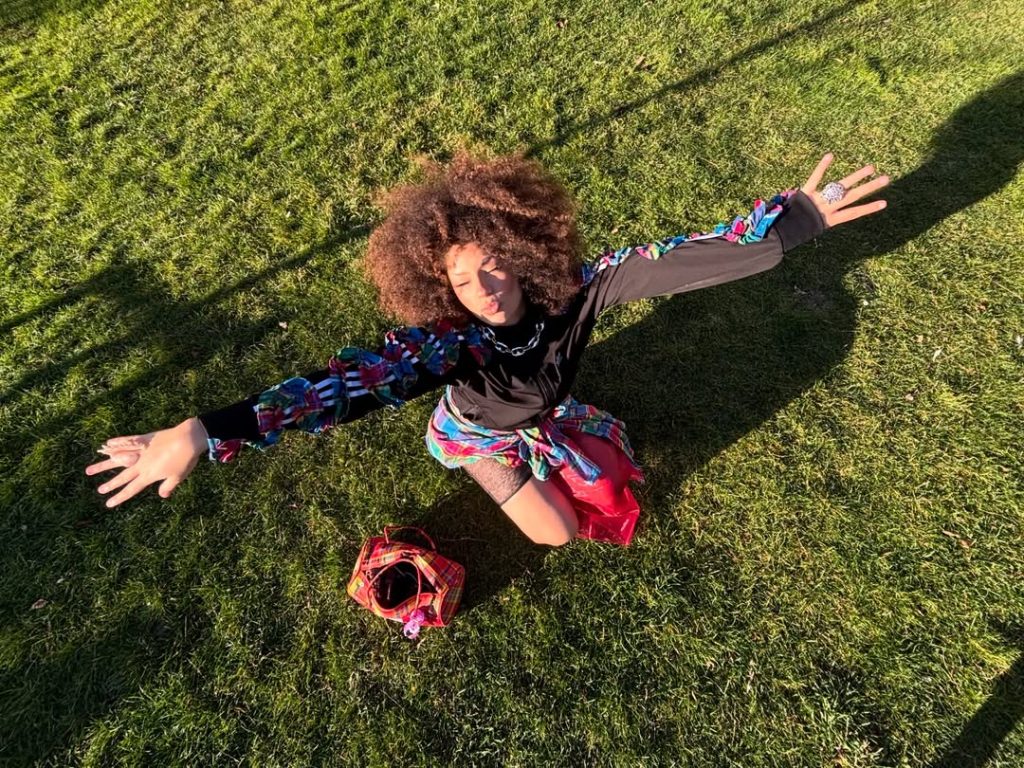
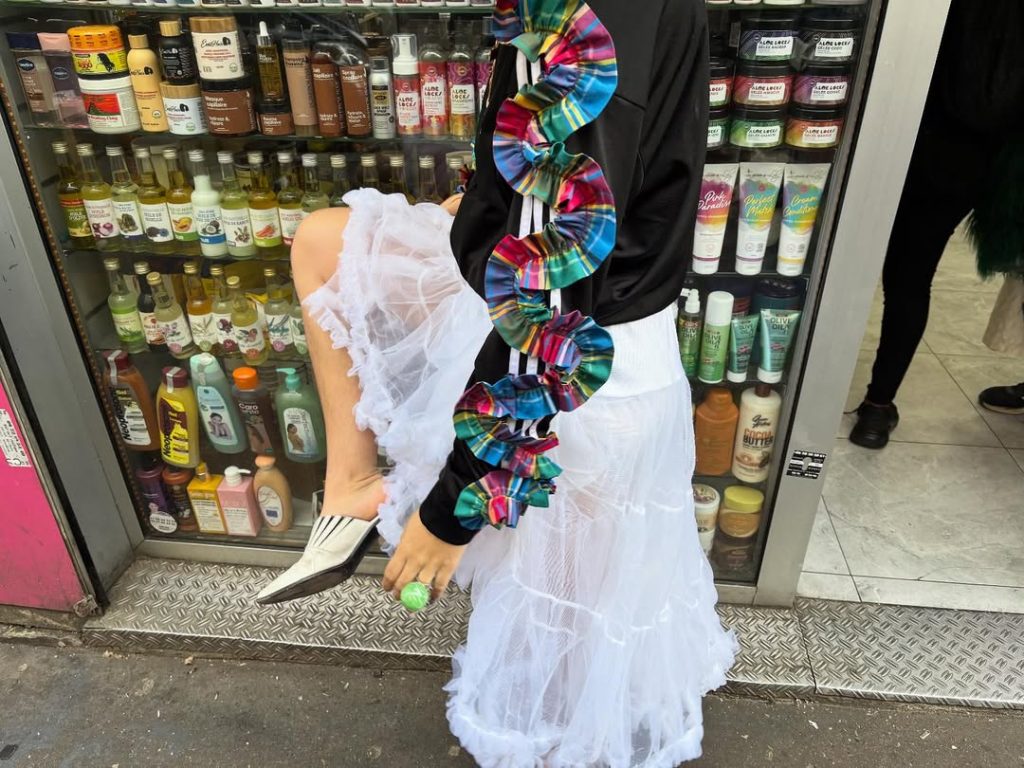
Carmen Joachim, for instance, is shaking up conventions by blending streetwear with her Caribbean roots. Her latest standout piece? Upcycling iconic garments like the classic three-stripe Adidas jacket adorned with madras ruffles. The result is a hybrid silhouette that fuses globally recognized sportswear with traditional Caribbean flair.

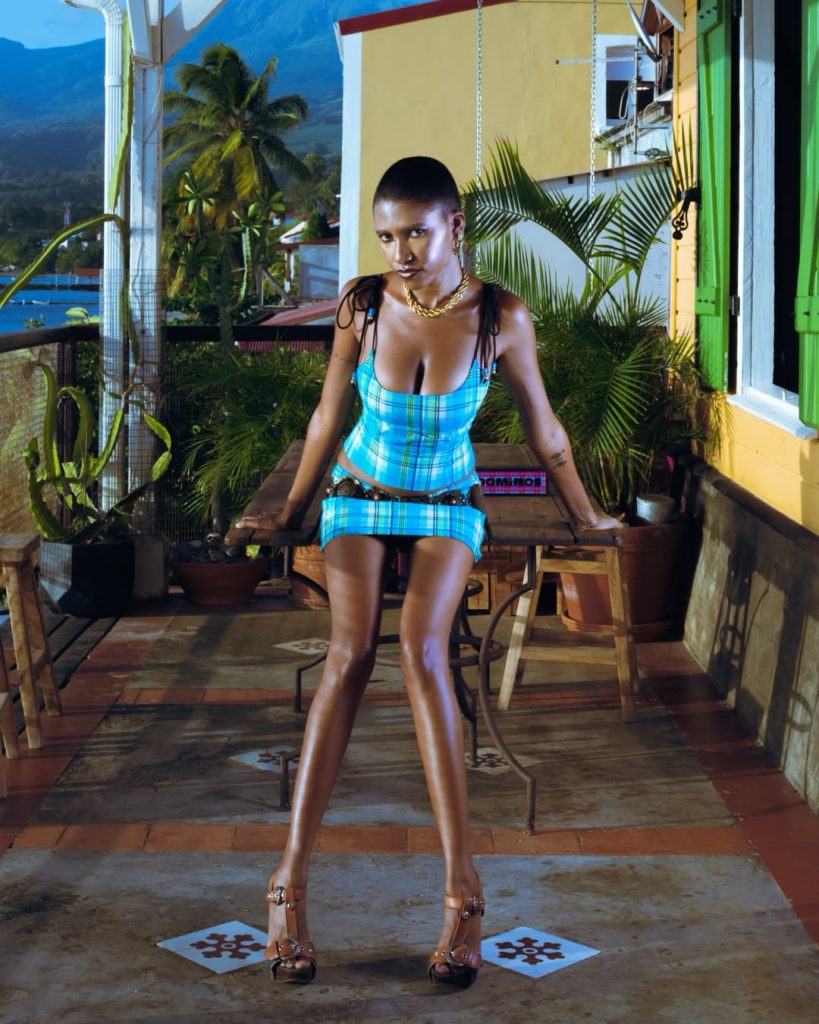
In a different vein, the Martinican brand Flech Kann is redefining Caribbean femininity. Here, madras takes on a sensual edge, appearing in structured corsets and fitted tops that hug the body. By reintroducing this fabric into her collections, the designer is actively contributing to the reclaiming of Creole culture. This goes beyond clothing; it now extends into accessories and beauty, where the iconic checkered pattern is increasingly embraced.
What we are witnessing is, in fact, a true textile reclamation. For women of the new generation, reclaiming madras means transforming a historical heritage into a symbol of contemporary pride. The check pattern no longer merely decorates; it asserts an identity that refuses uniformity and cultural erasure. It is the ultimate transformation of a fabric that, quite literally, will never stay “in line.”