

Are brands managing to stand out from the crowd?
On this Tuesday, May 12, 2026, the Croisette awakens under an electric tension. As metal barriers are locked into place and tuxedos are adjusted, all eyes turn to the Palais des Festivals, where actress Eye Haïdara is preparing to kick off this 79th edition. After her opening speech, the lights will dim for the screening of La Vénus électrique by Pierre Salvadori, officially launching the fortnight.
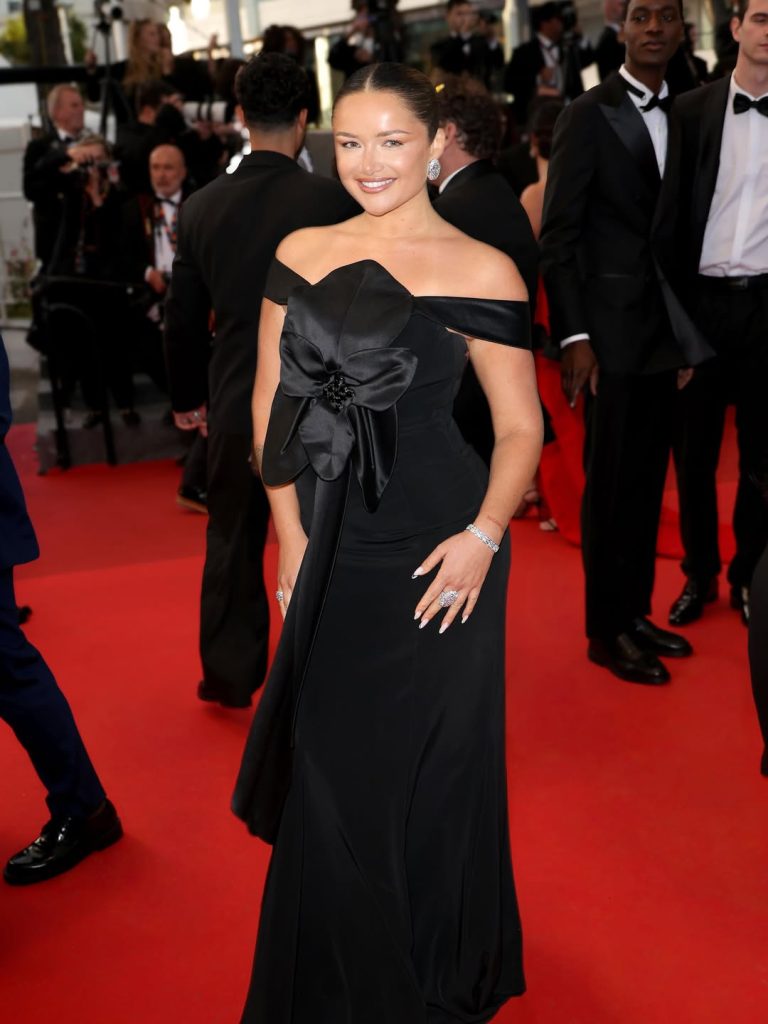
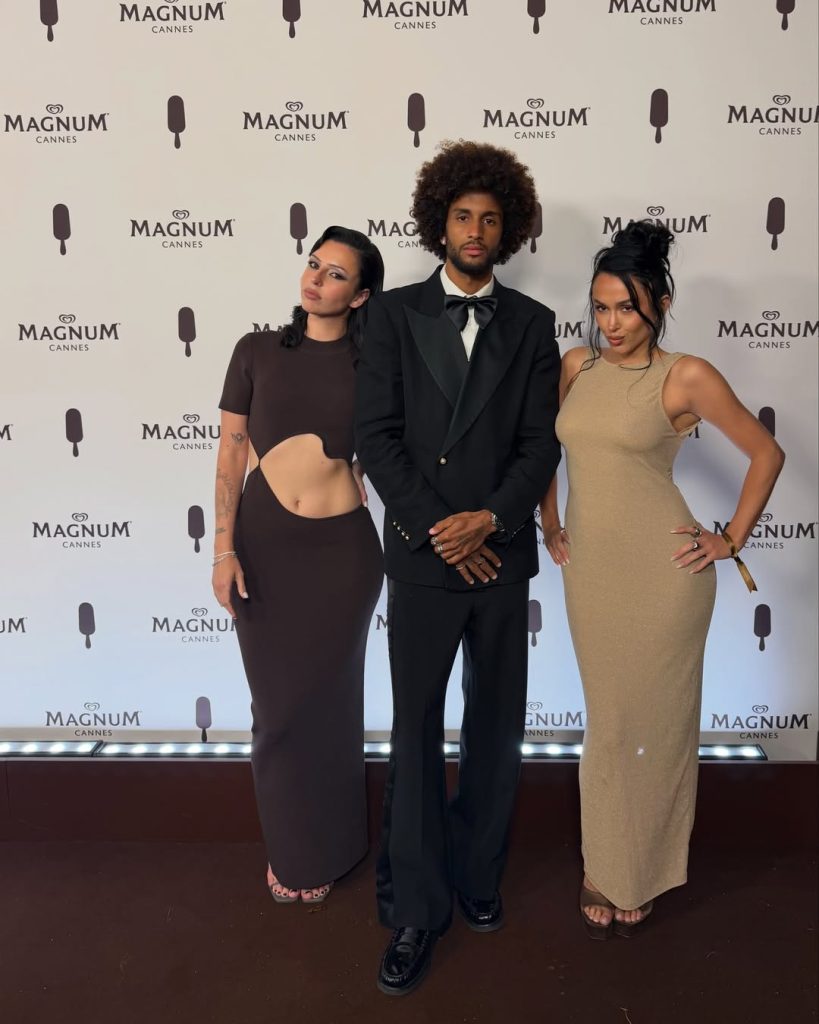
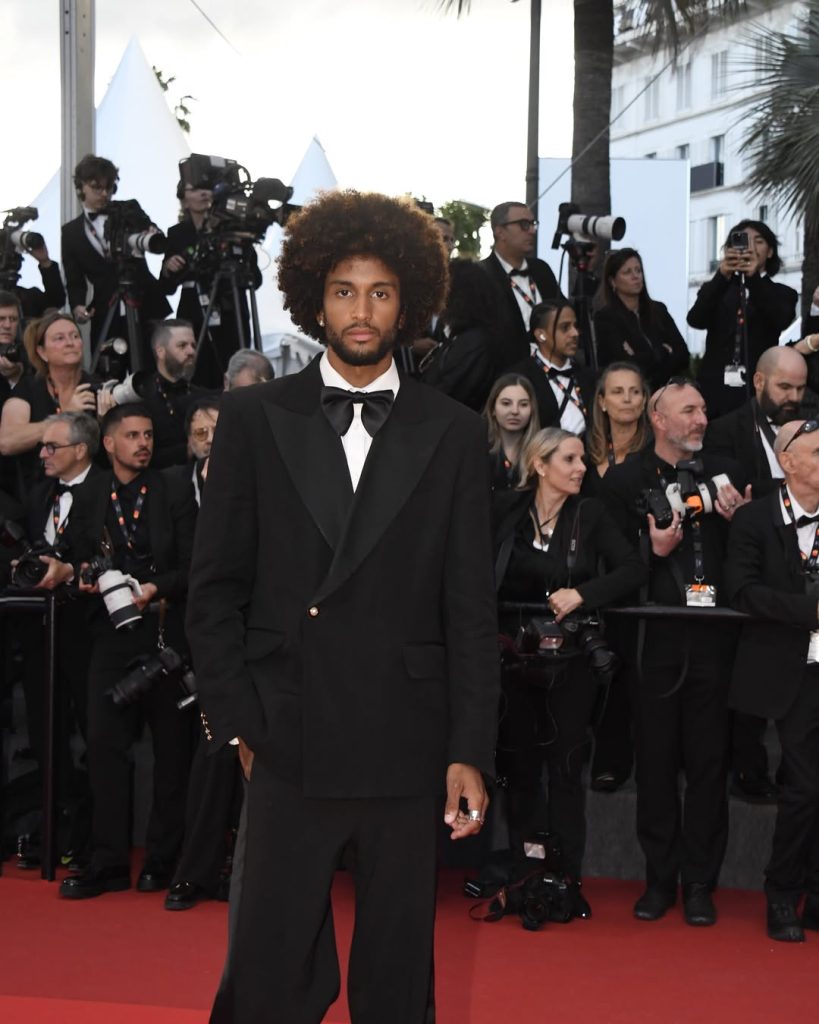
Yet while the famous red-carpet ascent remains, in the collective imagination, the ultimate grail of cinephilia, the reality on the ground paints a very different picture. In just a few years, the red carpet has shifted from a sanctuary of artistic creation to a strategic playground for luxury giants and the new masters of influence. In this arena, where prestige is now measured as much in minutes of applause as in millions of social media views, the line between artistic creation and commercial promotion continues to blur.
Between the sparkle of loaned jewels and the shadow of visibility contracts, Cannes 2026 emerges as the festival’s marketing coming-of-age: a global showcase where glamour has become an exact science. A deep dive into an edition where every camera flash hides a KPI, and where cinema itself sometimes seems little more than the backdrop for a vast brand offensive.
The Red Carpet: Between Cinema and “TikTokification”
The Palais des Festivals is preparing to pulse under the flashes of photographers’ cameras. But behind the ballet of tuxedos and haute couture gowns, the cast has changed. In recent years, the festival’s growing openness to lifestyle influencers has transformed the legendary red carpet walk into an open-air content creation studio. Although phones are still officially banned, content from the red carpet continues to flood social media.
This “TikTokification” of the red carpet is rubbing purists the wrong way. For many critics, the focus has shifted: people no longer discuss the depth of the official selection, but rather the brand of an eyeliner or the origin of a loaned gown. Influencers are no longer walking the steps because they star in a film, but because they serve as ambassadors for brands: beauty, jewelry, and fashion houses that fully finance their presence from start to finish.
The Empire of Engagement: When numbers take over
Cannes is no longer just a competition between feature films; it has become a battle for online attention. Data from media monitoring platform Visibrain reveals a staggering reality: during the 2025 edition, the festival surpassed 163.5 billion impressions. A colossal volume driven by more than 9.2 million social media posts, twice as many as during the previous edition.
Does this explosion in visibility truly benefit cinema? Not necessarily. The battle for audience attention is ruthless: last year, a personality like Léna Situations generated alone 40 times more engagement than a historic figure of cinema such as Antoine de Caunes and even managed to triple the engagement of a global star like Natalie Portman.
Faced with this “influence-driven reality,” brands are occupying the space to the point of saturation. Nearly 880,000 internet users have posted about the event, fueled by a saturation strategy orchestrated by advertisers. L’Oréal’s offensive alone with 40 posts published over the few days of the festival has turned social feeds into advertising catalogues. Even traditional media outlets are following the trend, with nearly 40,000 articles published since the opening, an increasing share of them focused on decoding red-carpet looks rather than reviewing the films themselves. Cannes 2026 is no longer watched, it is scrolled.
When brands become producers and step behind the camera
Brand investment on the Croisette has reached a symbolic turning point: Alo’s yacht, Burberry at the Hôtel Belles Rives. No longer content with renting lavish villas for “watch parties” or privatizing beaches for influencer and press events, luxury giants are now targeting the very core of the industry: film production itself.
This strategic shift, initiated in 2024 with the launch of Saint Laurent Productions, has reshaped the landscape. By directly financing international filmmakers such as Pedro Almodóvar and David Cronenberg, the fashion house is no longer simply looking to dress the cast, it is buying artistic legitimacy. The following year, in 2025, luxury giant LVMH confirmed this growing trend by launching its own production company.
This paradigm shift is historic. Brands are no longer merely prestigious sponsors; they are becoming creative forces in their own right. By controlling a project from its very inception, these groups ensure complete aesthetic consistency. From that moment on, every red-carpet appearance is no longer the result of chance or an actress’s personal taste, but the culmination of a meticulously orchestrated strategy. The red carpet becomes a natural extension of the film they helped produce.