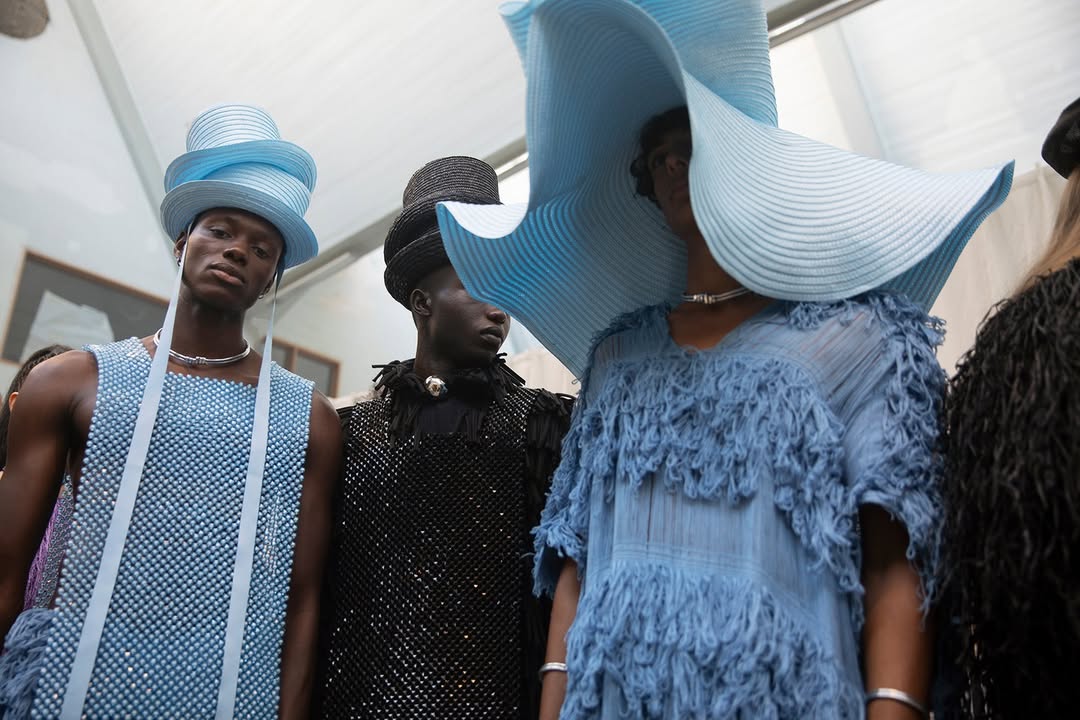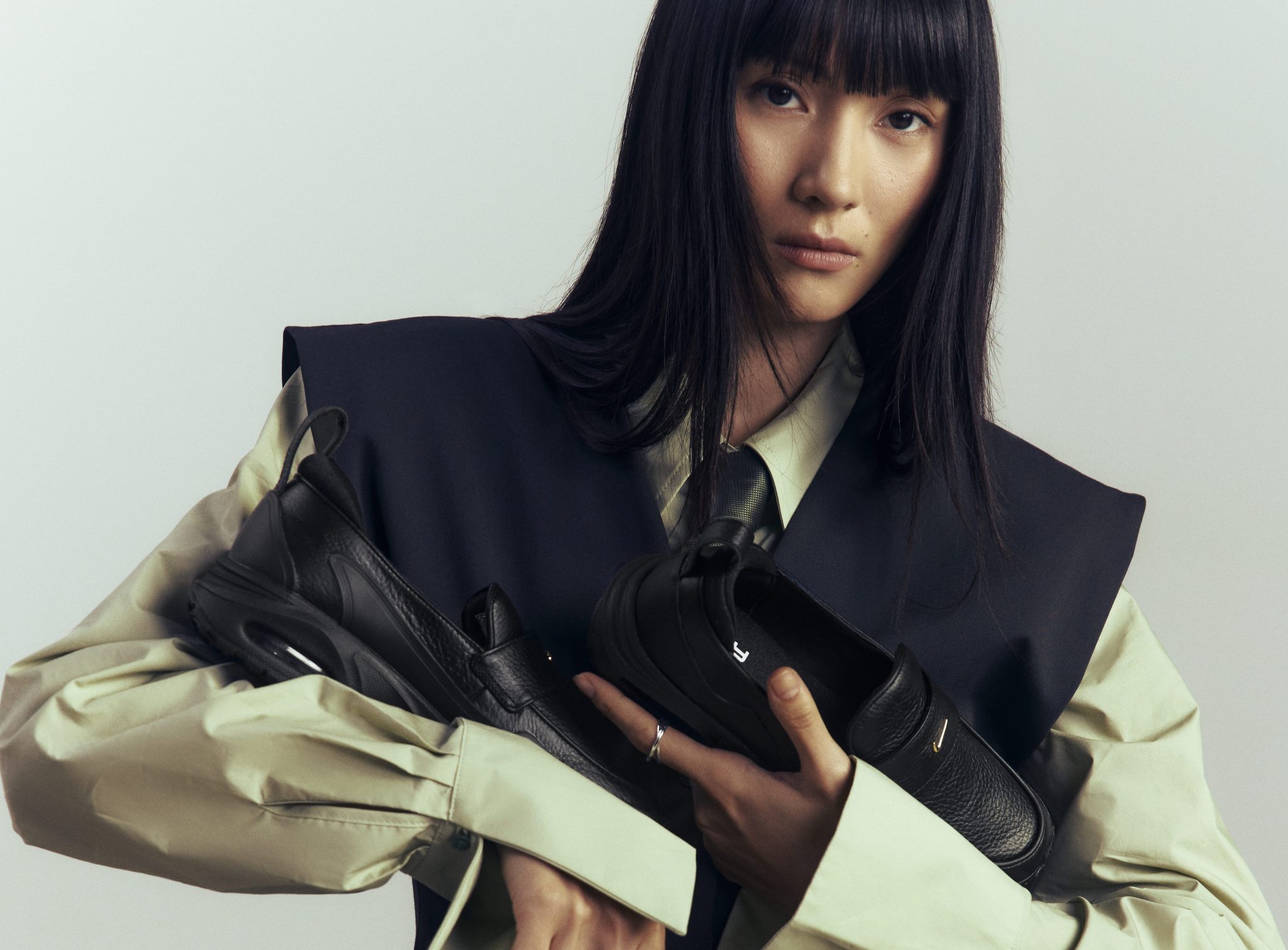

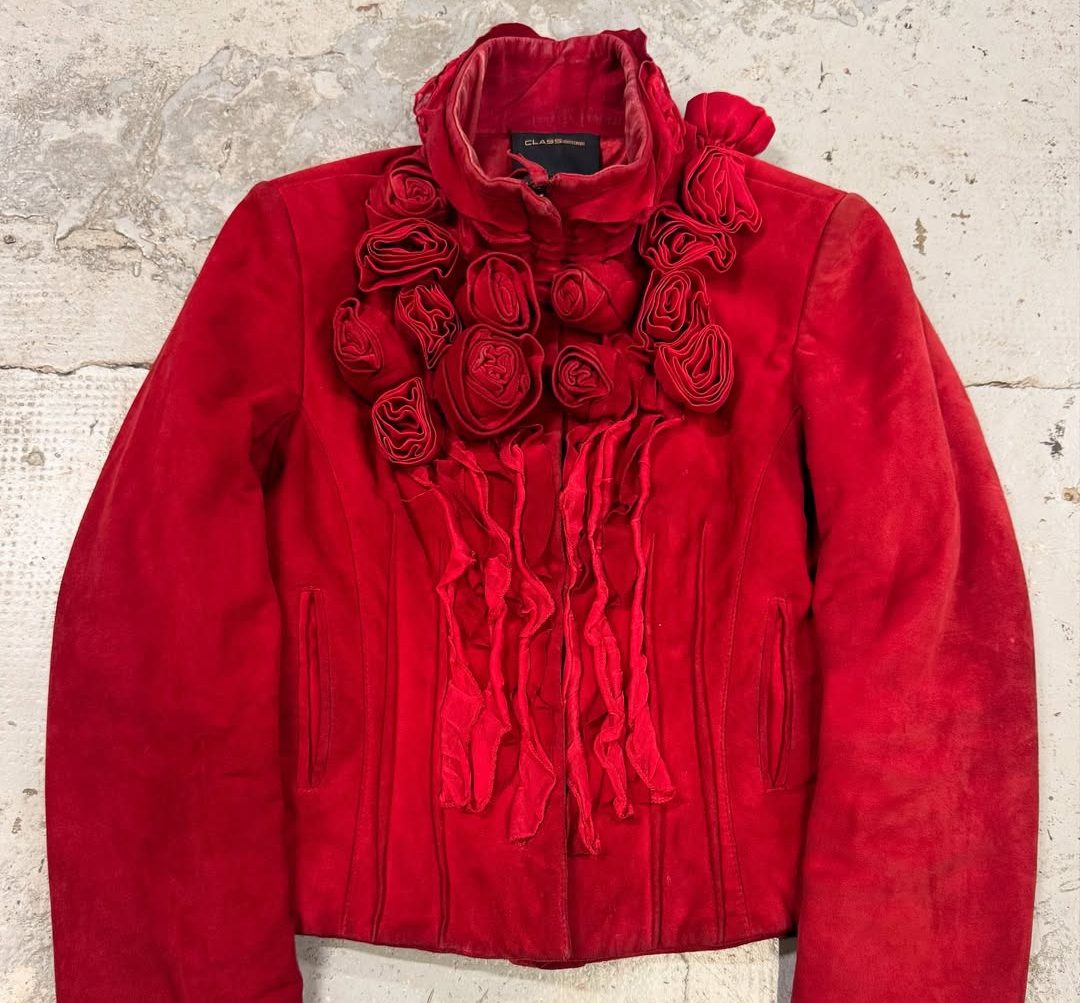
“Archives,” once confined to museums and ateliers, are now breaking free and becoming the new stars of ultra-niche fashion on social media. On Instagram and TikTok, the terms archive or archival fashion are used to label this scene, where the season and the designer are systematically cited like a shared code among insiders. Less generic than “vintage,” the term crystallizes a new relationship to fashion, in which curation itself becomes a mark of distinction.
On the new uses of “Archives”
Long confined to the shadows of museum storerooms and fashion house vaults, archives embody a silent yet profoundly living memory. They give tangible form to a house’s heritage, tell the story of a collection, and derive their value from several factors: age, of course, but also rarity and the place they occupy within the broader narrative of fashion.
Today, these pieces are no longer meant solely to be contemplated behind exhibition glass. From the display case of a museum to the screens we scroll through, there is now only a single step, one that social media has crossed at remarkable speed.
On Instagram or TikTok, the terms archive or archival fashion are used to tag fashion content that is often niche, driven by highly knowledgeable communities. When referring to an “archival piece,” the discourse is almost always accompanied by precise details: the brand, the season, sometimes the designer, to situate the item within a clearly defined period.

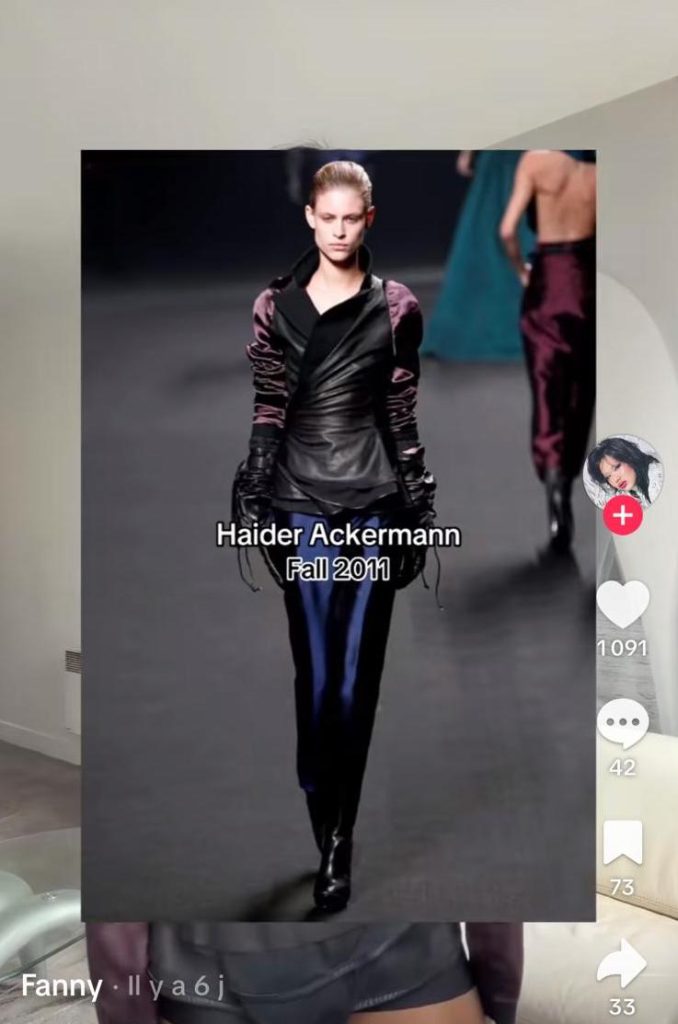
Mentioning a Dior SS04 look immediately points to the French house’s Spring–Summer 2004 collection, during the John Galliano era, and calls up an entire world of references and imagery. These details are far from anecdotal: they help build a shared language, instantly recognizable to those who master these codes.
The circulation of this information on social media contributes to a form of knowledge democratization. Archives, once reserved for a small circle of professionals and institutions, are becoming accessible to a wider audience. Yet this openness also goes hand in hand with a form of distinction. Mastering these references being able to identify a specific season or era requires a certain level of cultural capital.
Even more so because access to these pieces remains limited: acquiring an archival item demands time, patience, and above all a significant financial investment. Balancing transmission and selection, archives thus crystallize the paradoxes of the fashion industry, caught between a desire for openness and a pursuit of exclusivity.
Past-Present-Future: Clothing as Narrative
Each archival piece thus becomes a fragment of history to be reactivated in the present. While “vintage” continues to appeal, its semantic field remains broader and less selective. It primarily refers to age or to the aesthetic of a given era, without necessarily belonging to a precise register. Archives, by contrast, assert themselves as an act of personal curation. Choosing an archival piece means choosing a reference, a period, a designer.
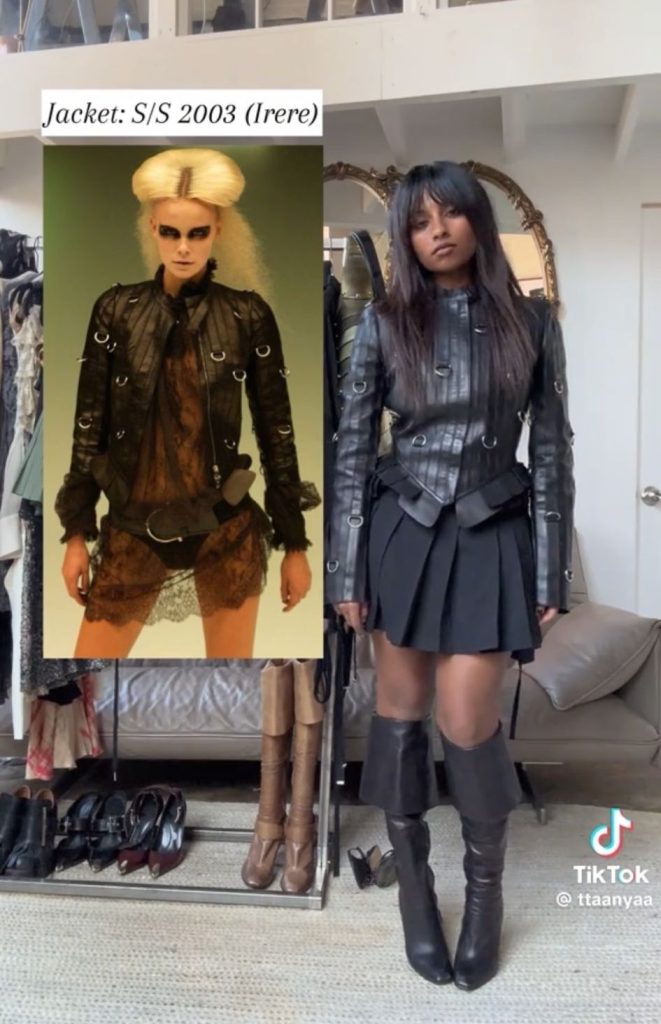
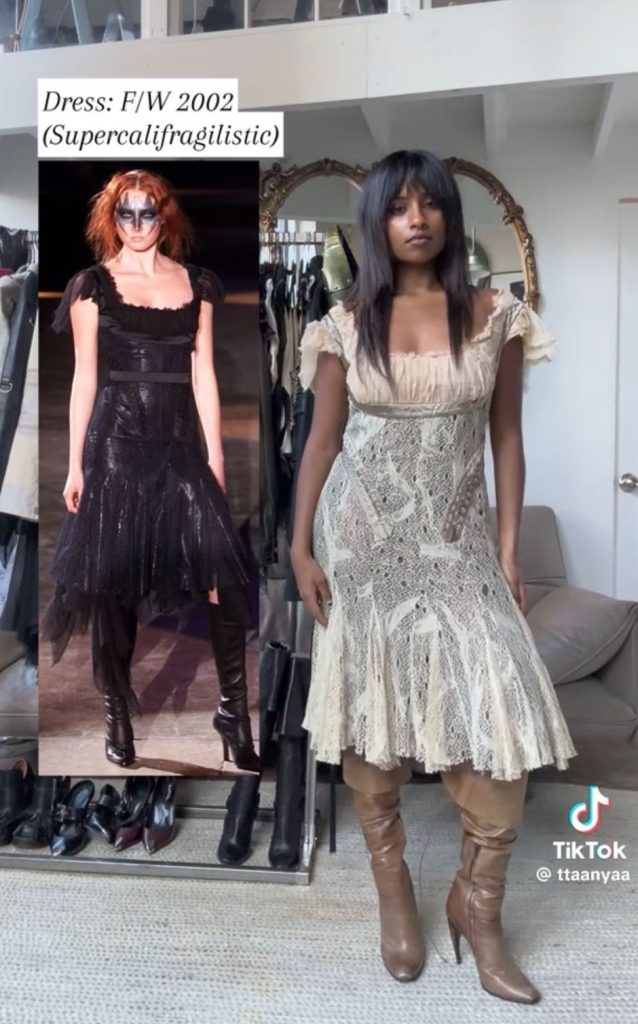
This shift reflects a broader evolution in our relationship to fashion. According to Pinterest and its forecasts for 2026, trends point to the growing importance of sartorial storytelling. Wearing an archival piece then becomes an investment in a narrative larger than oneself. A way of anchoring one’s wardrobe in a continuity that brings the past into dialogue with the present.
From Display Cases to TikTok
Certain fashion houses and collections have acquired an almost mythical status within this dynamic. Chrome Hearts, Miu Miu, and Prada have seen their archival pieces turn into cult objects. This fascination takes shape in places such as Dolce Vita Hub, a true archive cave housing nearly 4,000 designer pieces. It is there that clients like Theodora come to draw inspiration and compose their silhouettes.
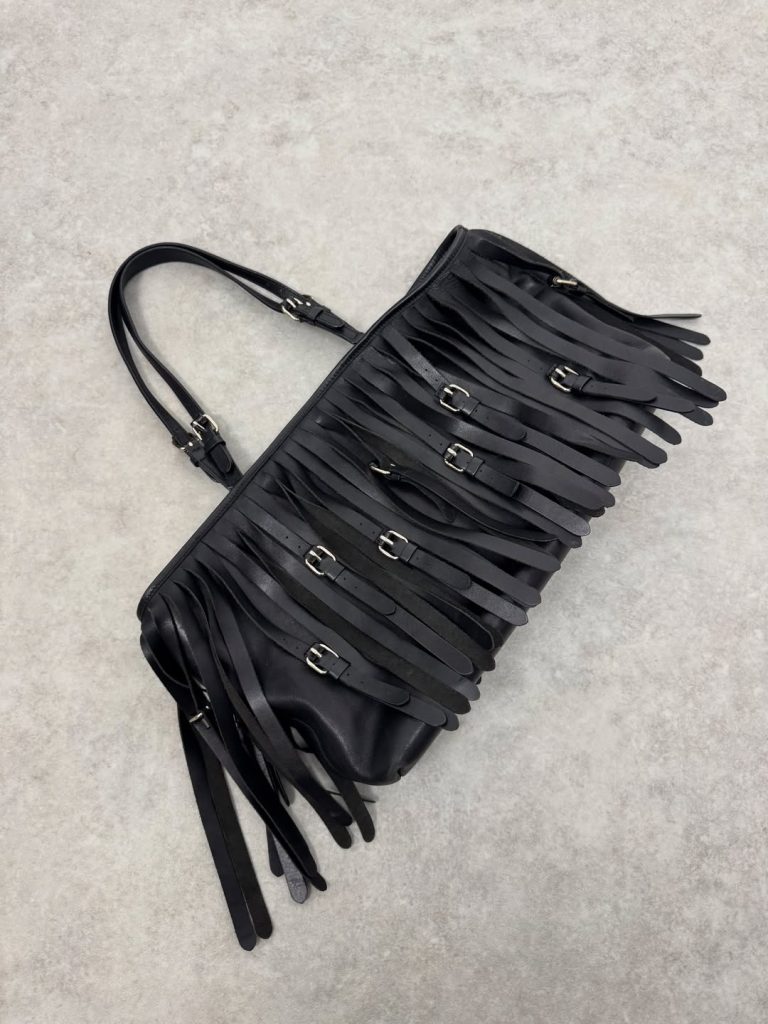
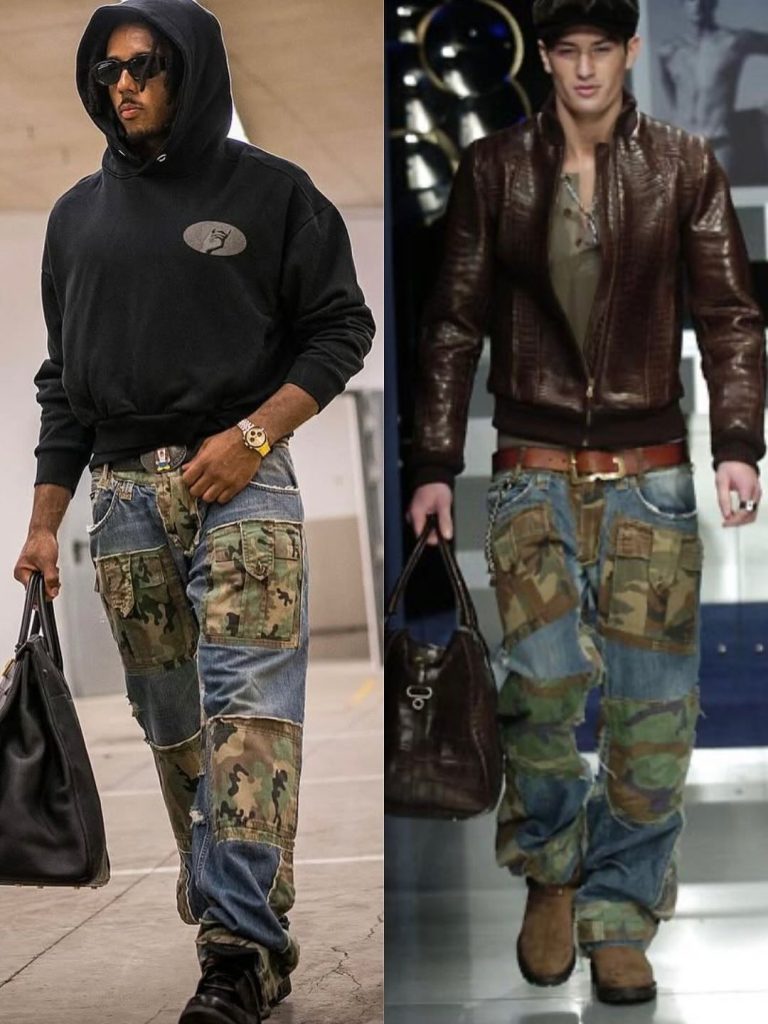
Celebrities, too, are increasingly turning to archival pieces. As early as the mid-2010s, Young Thug was already opting for the H&M × Maison Martin Margiela collaboration, mainly the iconic belted jacket, which has since become a reference. Today, Bella Hadid stands as one of the leading figures of this movement.
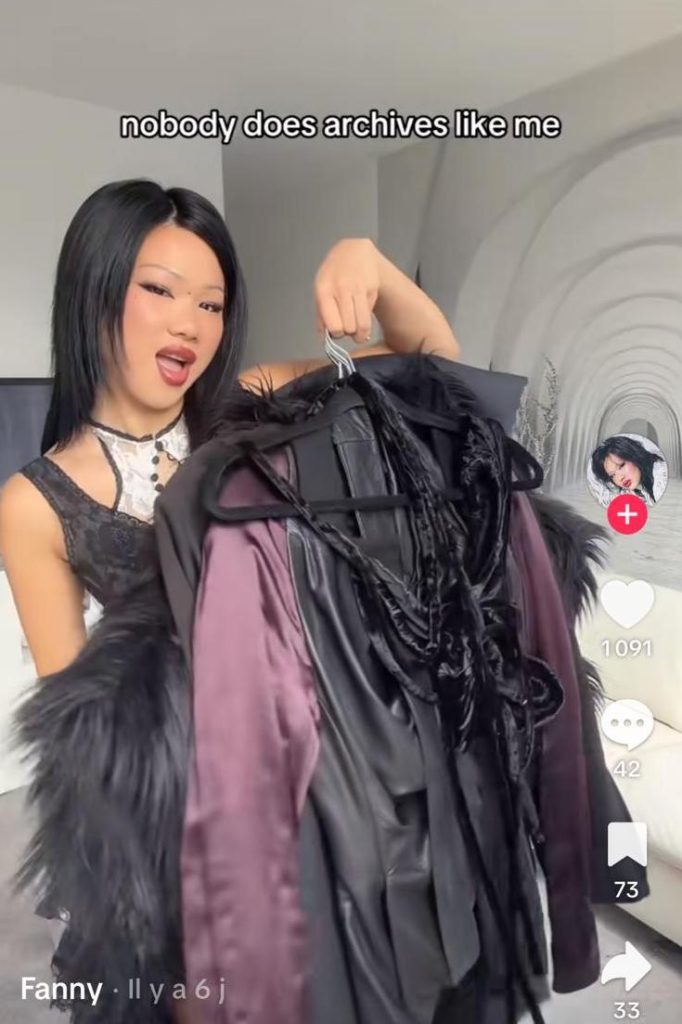
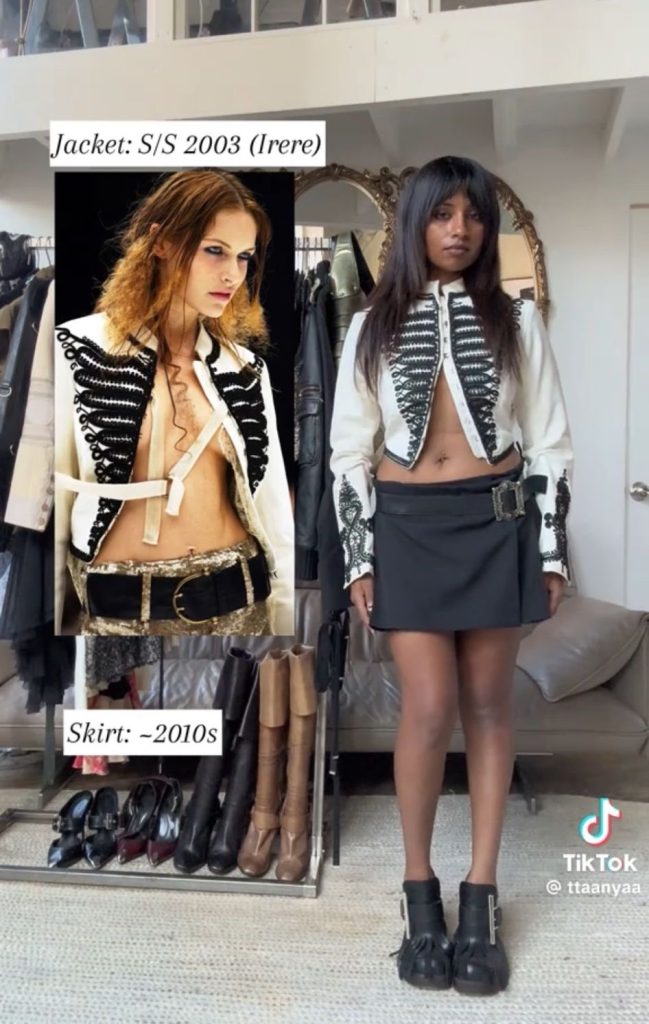
This archive culture fully unfolds on TikTok. Profiles such as Tanya Ravichandran’s, who presents herself as a collector of vintage pieces, build their content around the archives they own, documenting their provenance while telling their stories. The same approach can be seen with the French creator @fannyshiste. Through these figures, archives definitively move beyond the realm of preservation to become tools of personal expression.