

Never has sports practice been so highly valued. With performance comes a set of essentials: figure-hugging leggings, zip-up tops, pristine trainers. Chosen as matching sets, they create a silhouette that blends sport and style. Brands like Lululemon and Oysho have soared on the back of this trend, while limited-edition collaborations such as Skims x Nike continue to ride the activewear wave (yes, this look has a name). But on the horizon, a new silhouette is taking shape: more relaxed, and above all, less tightly codified. An analysis.
“Never without my gym set”
The gym set remains one of the emblems of the “clean girl” aesthetic. It’s no longer worn solely for Pilates classes, but also to sip a matcha on a café terrace: it slips into everyday life like a uniform, a subtle signal of an active, polished lifestyle.
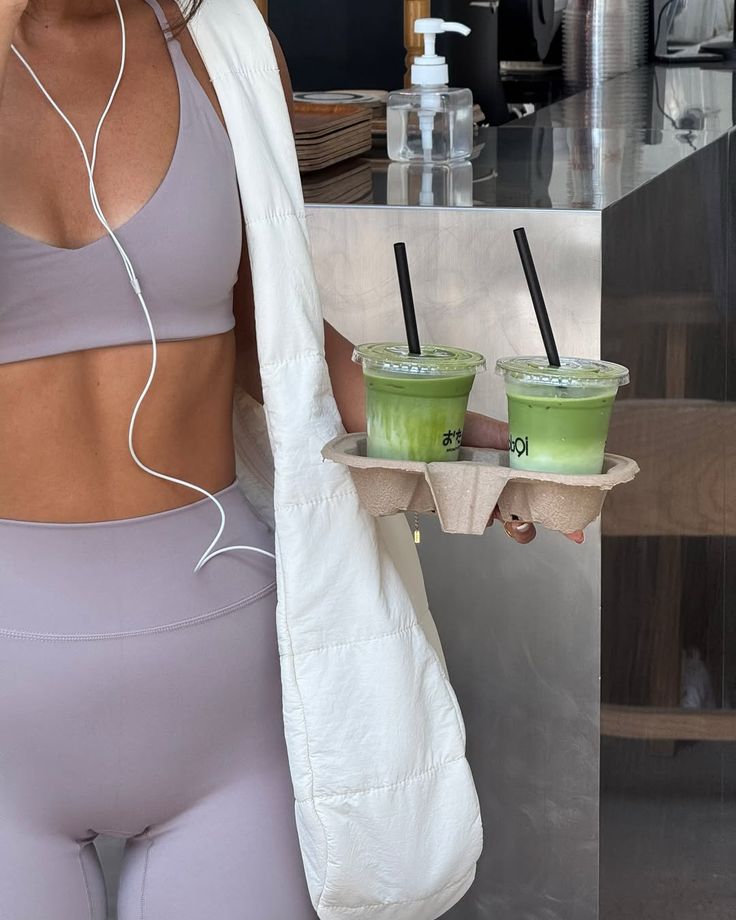
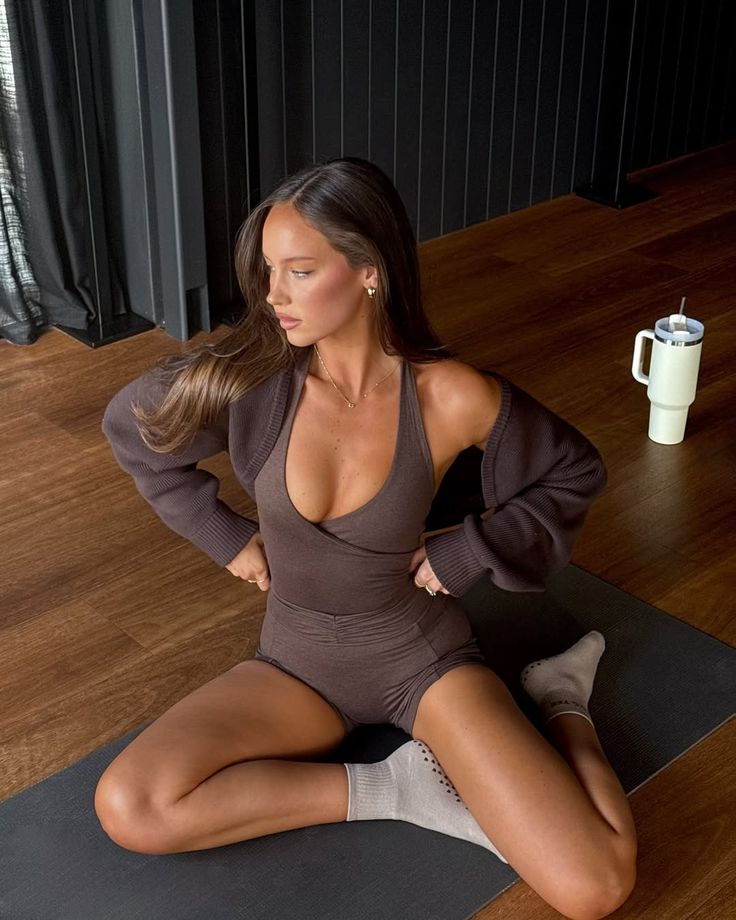
Yet behind this success lies an implicit norm: the silhouettes put forward are still very slim. While this uniformity long restricted inclusivity in sportswear, some brands are beginning to broaden the spectrum. Lululemon, for instance, now offers sizes up to a French 54. An important step in an industry where body diversity is still too rarely considered.
Back to the 2000s
While the trend nods to the 2000s, it does so without slipping into literal references. What’s being revived today is less the Y2K aesthetic itself than the era’s sense of sartorial freedom, even if it was often tied to thinness. Back then, sportswear was worn without any clear justification, frequently out of context, and sometimes with a certain carefree nonchalance.
This sense of nonchalance, however, should not be idealized. While athletic performance was not yet staged the way it is today, women’s bodies remained under constant scrutiny. Omnipresent paparazzi hunted down the slightest change in silhouette, any supposed weight gain, a poorly timed grimace, or an overly tight pair of jogging bottoms.
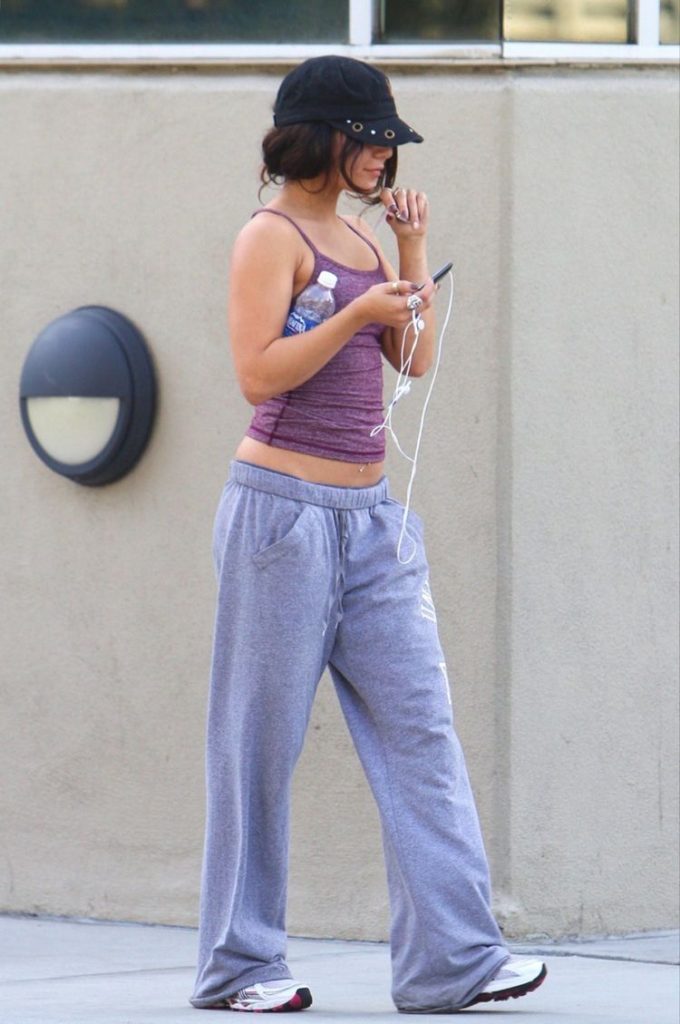
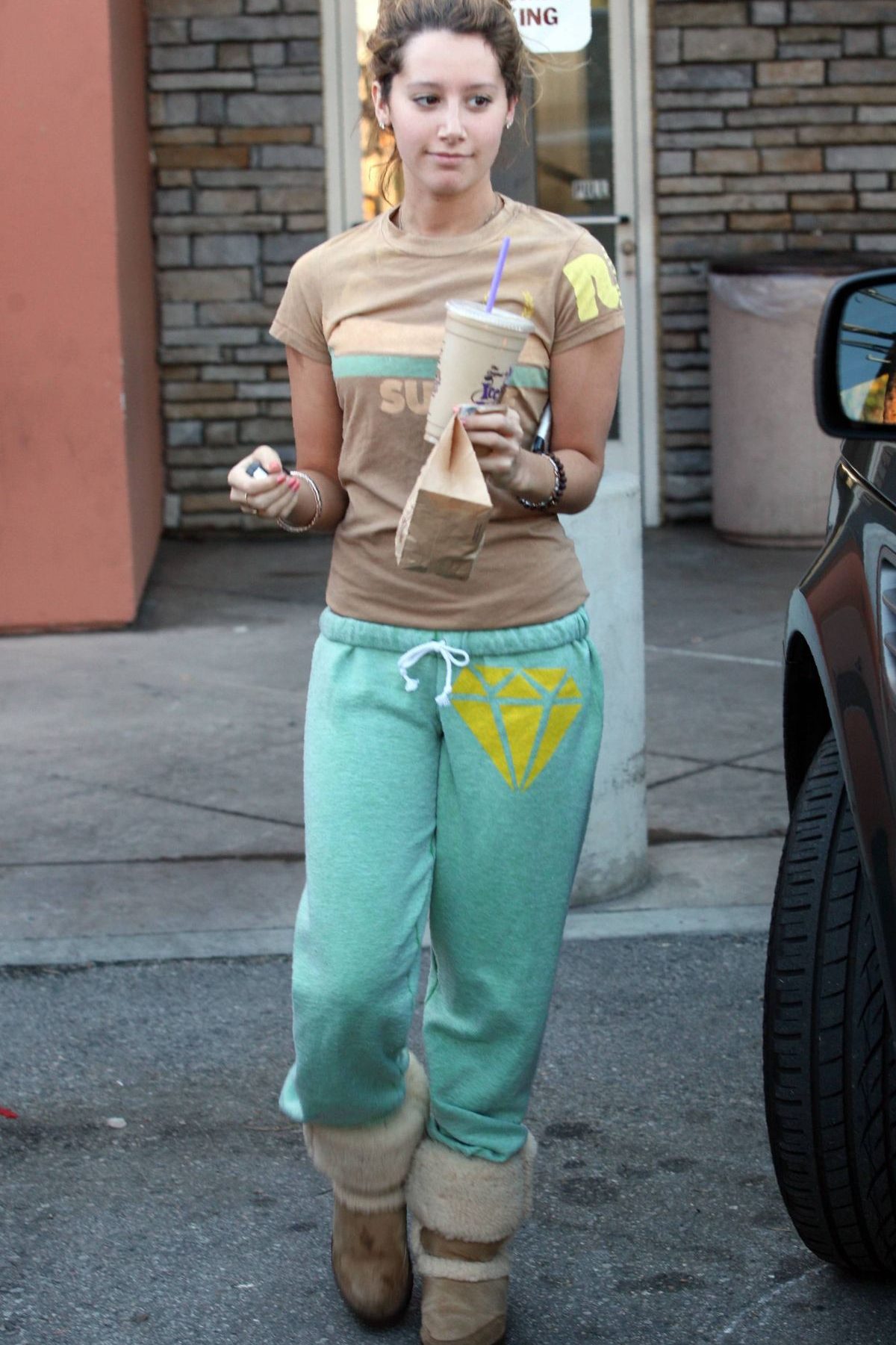
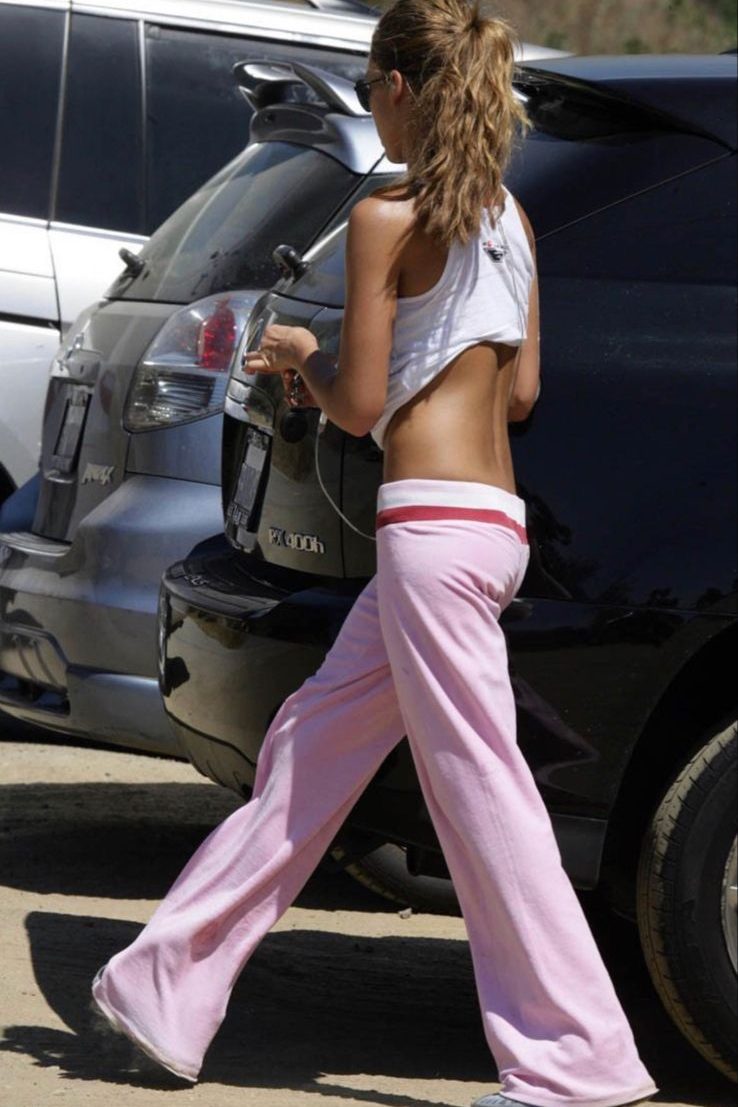
Archival images thus reveal bodies caught in motion, rarely staged, yet constantly assessed. Layered tank tops, overly long sweatpants: a sportswear wardrobe that made no attempt to signal discipline or performance. Today, this attitude is resurfacing, but filtered through a far sharper fashion awareness, shaped by years of digital self-staging.
Shoes become the detail that changes everything. A pair of trainers keeps the silhouette firmly rooted in sportswear. Swap them for tall UGGs, and the look drifts into nonchalance, as if you simply threw on whatever was within reach. Boots or heels, on the other hand, deliberately blur the message: the outfit no longer says “gym,” but rather “I choose what I wear.” It’s no longer about displaying an ideal body or lifestyle, but about asserting a personal stance. Often offbeat, sometimes even critical of established codes.
The capri pants: a key piece of this emerging trend
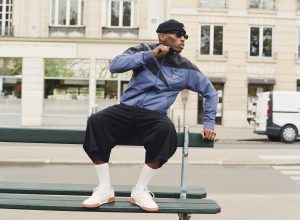
The legging, an emblematic piece of the gym set, isn’t disappearing but its role is shifting. Long associated with performance and the “clean girl” uniform, it now finds its place within less codified outfits. Capri pants, long overlooked, are also making a strong comeback. Descendants of the original Capri, stand apart through softer cuts and more varied influences. They come in technical nylon, more matte finishes, or lightweight fabrics.

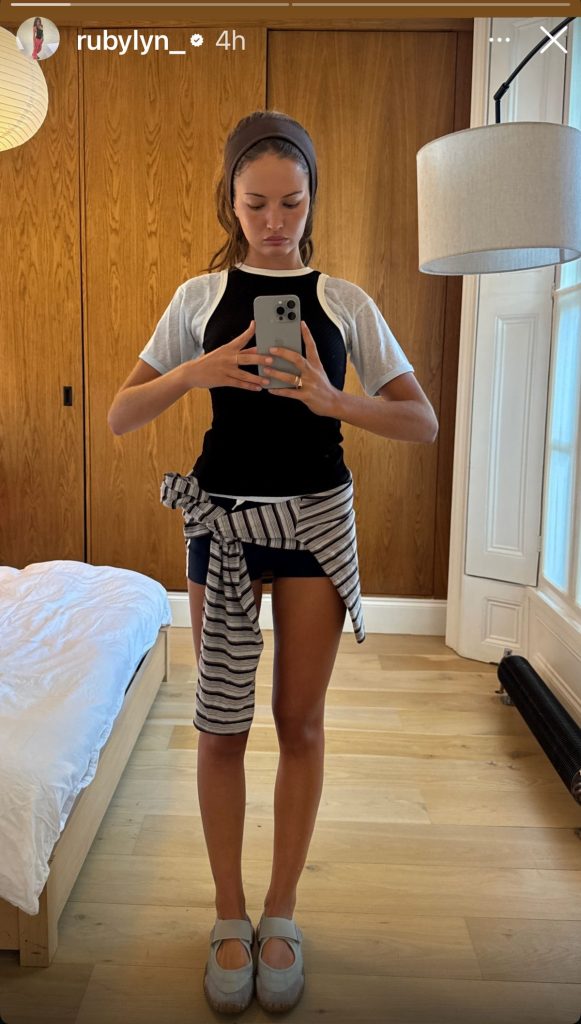
Neither capri pants nor leggings require a matching top. They’re paired with an oversized T-shirt, layered tank tops, or a loose, high-collared jacket. Some silhouettes even borrow from masculine codes, recalling the laid-back looks of Adam Sandler in the early 2000s.
The gym setis entering a phase of transformation. Nostalgic 2000s influences, the rise of boyish silhouettes, and the reinterpretation of the capri pants all point to a sportswear landscape that’s becoming less uniform, more inclusive, and, above all, more fun. Athletic practice is still valued, but the focus has shifted: it’s no longer just about the image of a body in motion, but about personal style. The gym set isn’t dead, it’s being reimagined to make room for a generation that would rather experiment than wear a uniform.