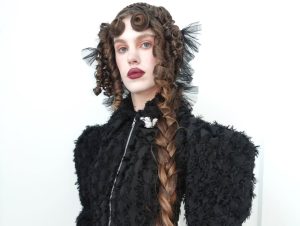

Every January, the men’s Fashion Weeks open the season and sketch out the first emerging trends. In Milan, this edition highlighted a striking contrast: on one side, Dolce & Gabbana, true to its provocations; on the other, Prada, subtly exploring time, memory, and the durability of garments. Between media scandals and introspective proposals, the Lombard capital revealed the persistent tensions between heritage and responsibility. The passing of Valentino Garavani, which occurred on Monday, brought this edition to a close, underscoring between the lines the enduring influence of the Italian fashion house.
Dolce & Gabbana, the eternal faux pas
While inclusivity has become an unavoidable buzzword in the industry, its practical implementation does not yet seem to be on the agenda. Mindsets are evolving, but at a pace that contrasts sharply with the speed at which images and narratives circulate. At Dolce & Gabbana, this dissonance appears to be built into the very fabric of the house. Each new collection thus reignites the same controversies, giving the impression of a brand persistently out of step with the issues of its time.
This season, the collection The Portrait of a Man nonetheless put forward a clear intention on paper: “There is no single way of being a man. There are infinite possibilities. Each one deserves its portrait.” A statement immediately contradicted by a casting made up exclusively of white models. A choice all the more difficult to justify given that the collection explicitly claimed to celebrate the plurality of masculinities.
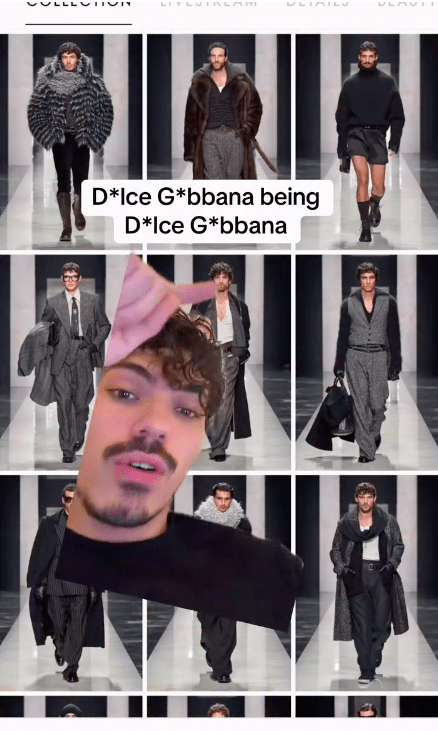
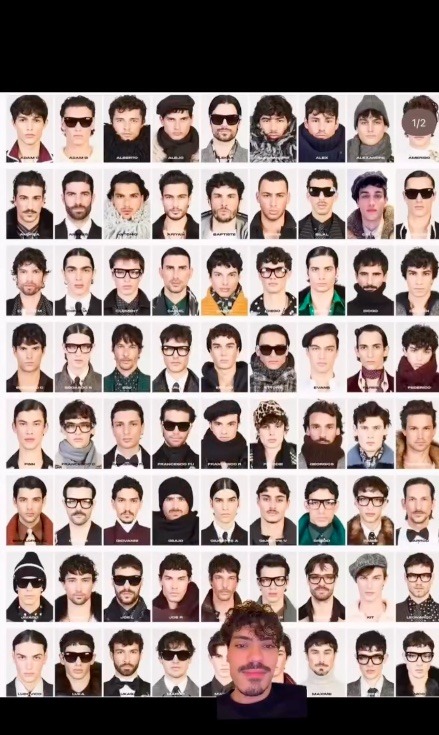
Criticism was quick to seize on the issue. Lyas, an influencer and sharp observer of the industry, summed up the affair with biting irony, referring to “50 shades of white” to describe the 110 looks presented. The discomfort intensified when Bella Hadid, an activist and model, publicly denounced the support the brand was receiving from part of the fashion world. She was far from the only one to speak out: several figures from the fashion and music industries did so as well.
This latest episode fits into a series of scandals that have gradually isolated Dolce & Gabbana from many industry professionals. While the house retains undeniable cultural and media visibility, it now appears frozen in another time, running counter to current expectations in an industry that is nonetheless undergoing profound transformation.
Prada, time as a raw material
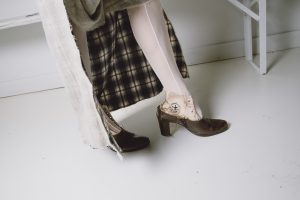
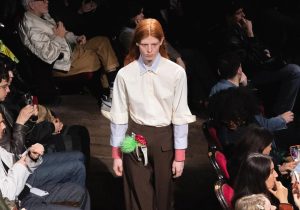
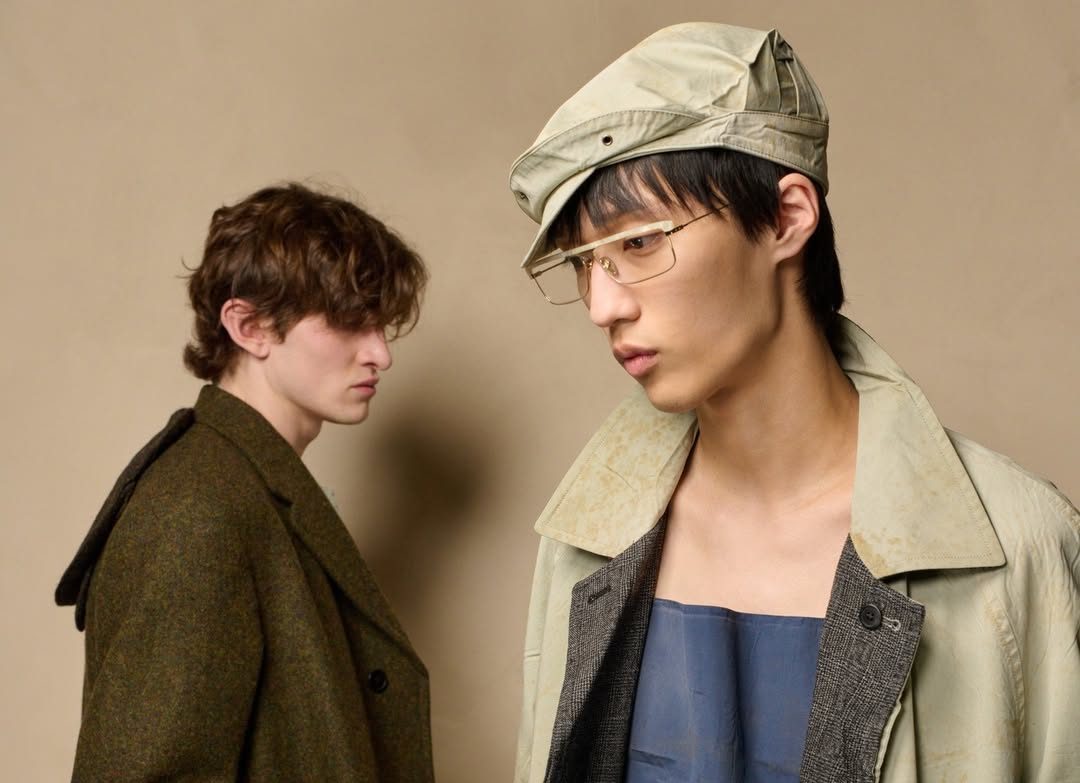
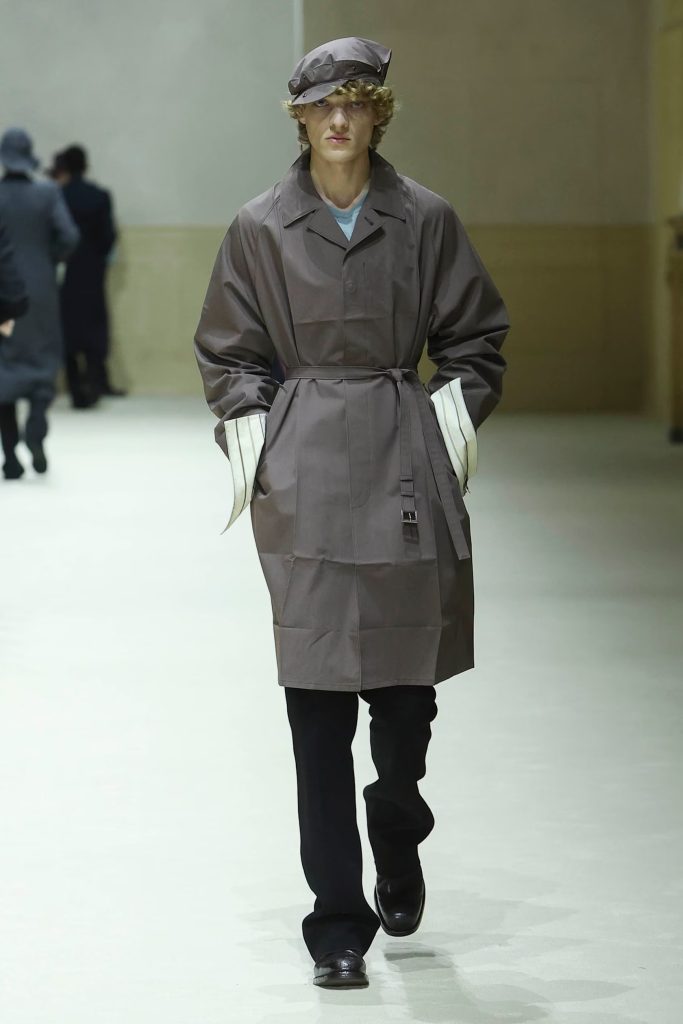
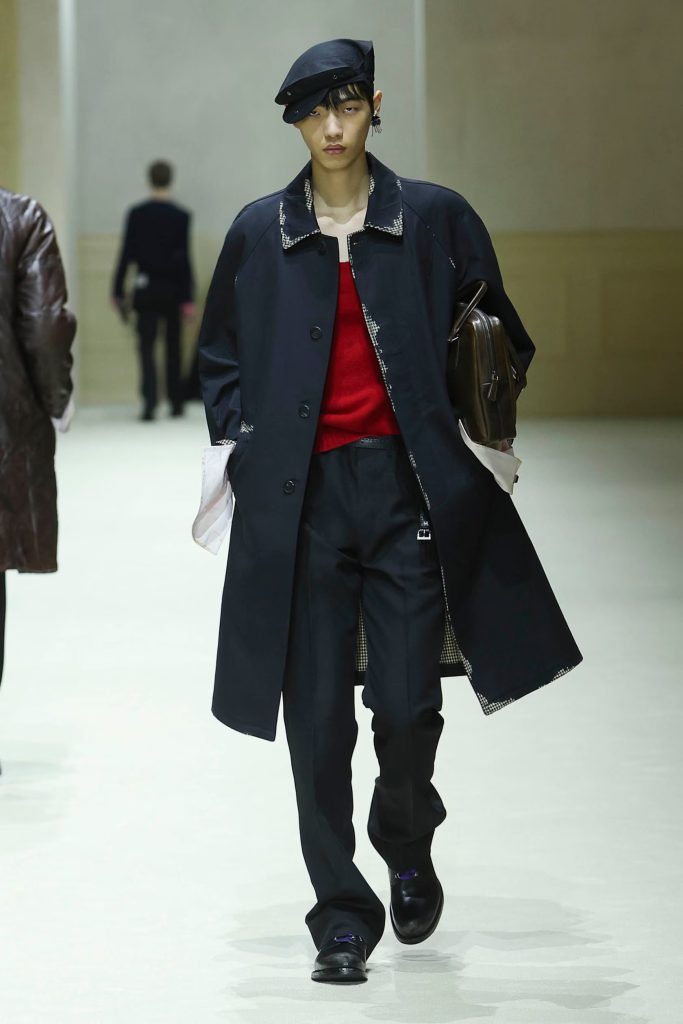
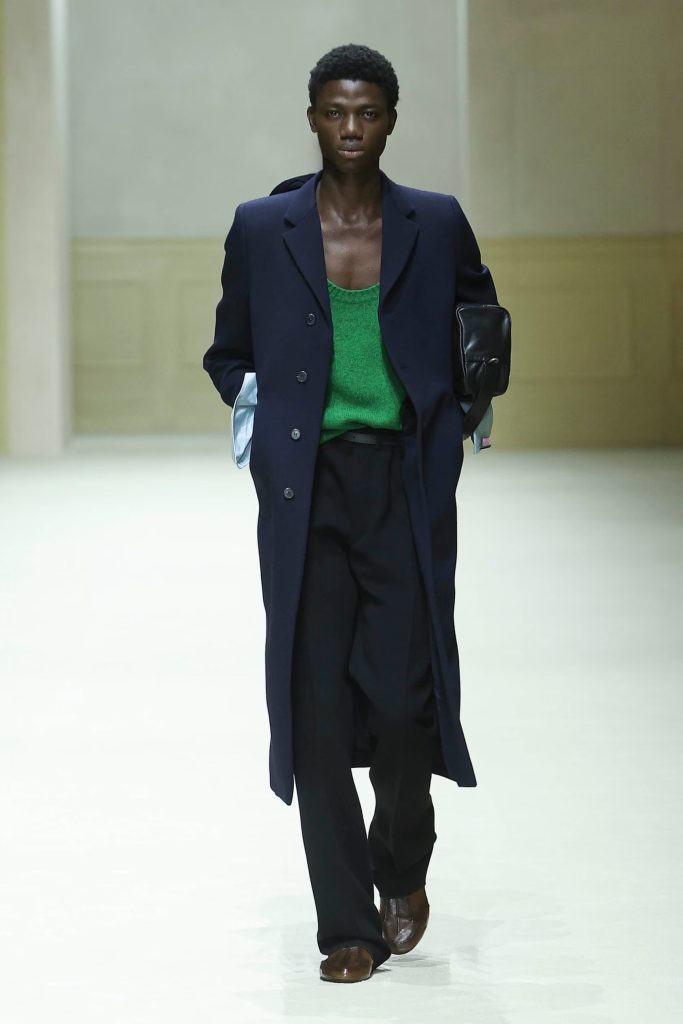
By contrast, Prada offered a more nuanced, almost introspective reflection. Under the impetus of Miuccia Prada and Raf Simons, the collection presented at the Fondation Prada was built around tailored, deliberately understated silhouettes, disrupted by a series of dissonant details: colorful laces wrapped around ankle boots, worn shirt cuffs, broken belts, trench coats marked by creases, and unexpected cufflinks.
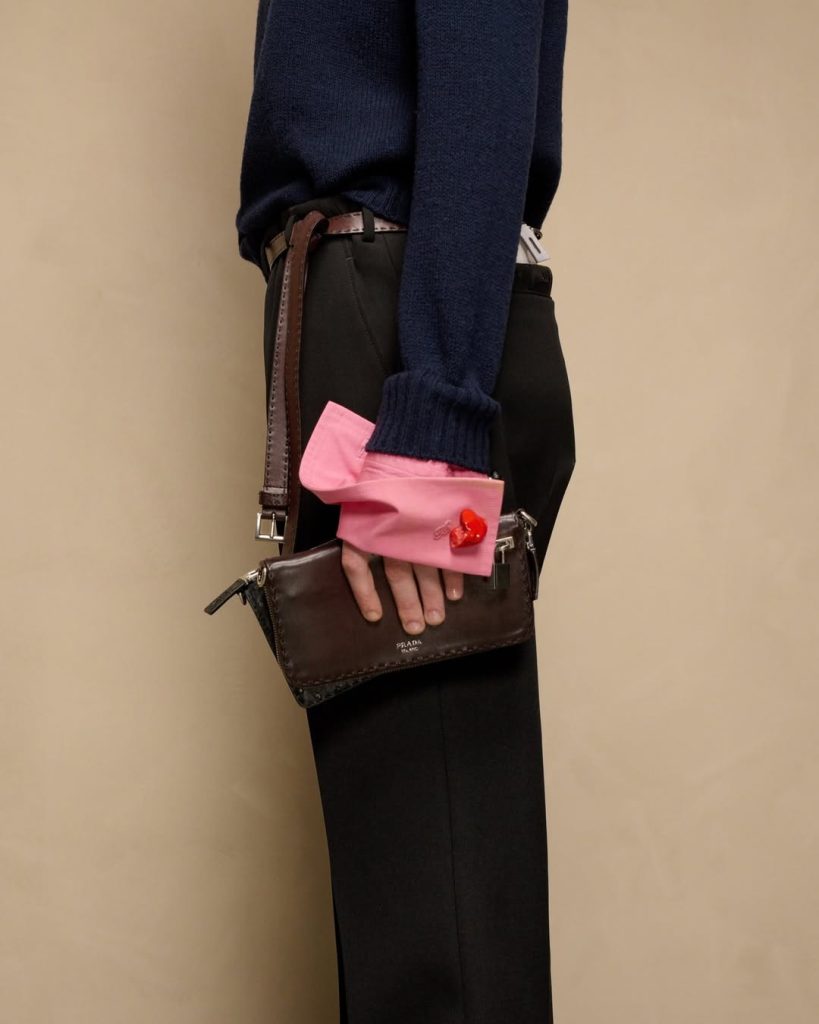
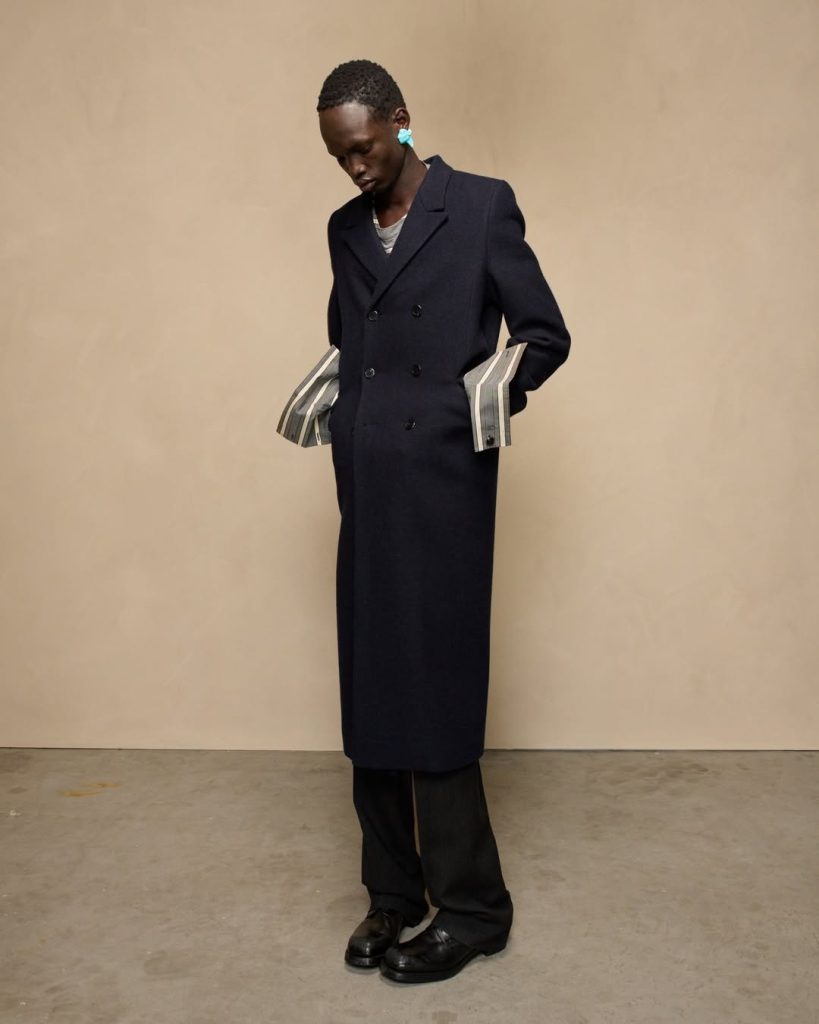
The wardrobe, predominantly dark and structured, allowed for a few chromatic breathing spaces, notably through U-shaped necklines, favored over more conventional V cuts. Behind this apparent rigor, the collection above all delivered a powerful message: that of longevity. To keep, to repair, to pass on. To wear garments marked by time as one would carry a memory. An almost political reflection, running counter to the fashion industry’s state of permanent acceleration. An approach emblematic of Prada.
Yet here again, some observers pointed to a contradiction. The extreme thinness of the models, accentuated by the tailored cut of the coats, blurred the reading of the message. Where Prada advocated resistance to wear and obsolescence, the image conveyed seemed instead to suggest restriction, even deprivation, undermining the strength of the original intent. On TikTok, some users did not hesitate to label the collection a “cosplay of the poorest populations,” revealing just how much digital perception can transform and sometimes distort, the meaning of a creative intention.
As a final note to this Milanese Fashion Week, the passing of Valentino Garavani, a tutelary figure of Italian elegance, served as a reminder of the importance of memory and transmission in an industry in constant flux. Yet between poorly calibrated provocations and narratives sometimes contradicted by their own images, the week above all revealed a persistent difficulty: reconciling intentions, imagery, and responsibility. Milan now finds itself more than ever at a crossroads: how to honor a prestigious past without freezing it in time, and how to respond to a demanding present that no longer settles for hollow symbols. The question remains: will Italian fashion manage to move forward without stumbling over its own contradictions?