
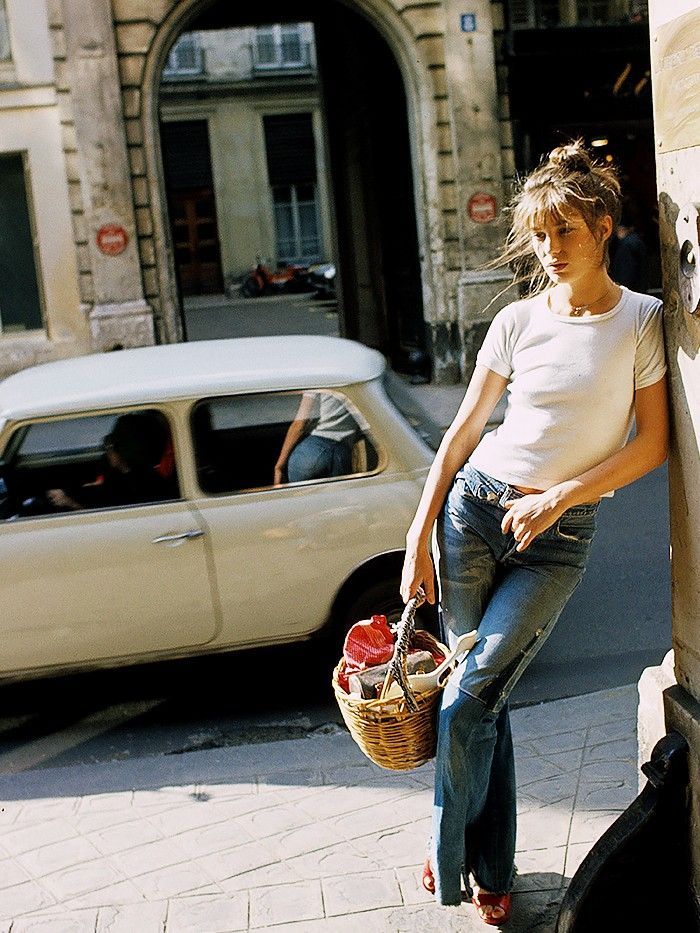
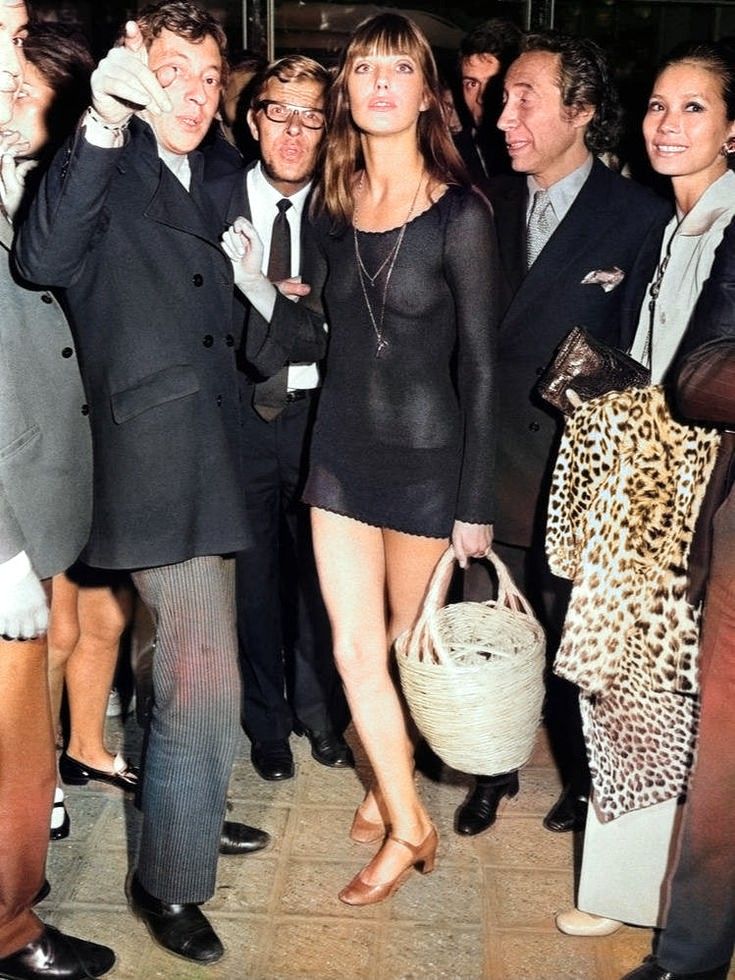
Long regarded as a purely practical object, the wicker basket has gradually earned its stripes on the runway. In the 1970s, Jane Birkin turned it into an emblematic accessory in La Piscine, giving it that understated charm, that elusive je ne sais quoi that transcends decades. A look back at an object that, from market stalls to spring silhouettes, has established itself as a seasonal must-have time and again.
The wicker basket, a lifelong companion
The everyday object par excellence, the basket weathers house moves, bears the weight of overfilled groceries, accompanies trips to the market and punctuates our warm-weather silhouettes.
Straddling the line between functional object and fashion accessory, it is just as at home by the fireplace, filled with newspapers, as it is tucked into the crook of an arm, carrying fruit, flowers or beach towels.
Available in an endless array of shapes and sizes, the basket lends itself to every use. This adaptability no doubt explains its longevity: far from being fixed in form, it evolves with lifestyles, the seasons, and the shifting perspectives that fashion casts upon it.
The basket’s enduring appeal also lies in its craftsmanship. Basketry, the art of weaving plant fibers, dates back to ancient Egypt, long before spreading across Europe in the seventeenth century. Willow, a supple yet resilient material, was used to create everything from furniture to everyday containers.
This artisanal gesture, passed down from generation to generation, lends the basket its timeless quality. At a moment when fashion is rediscovering the value of handcraft and sustainable techniques, basketry stands as a counterpoint to mass industrialization.
A key source of inspiration for fashion
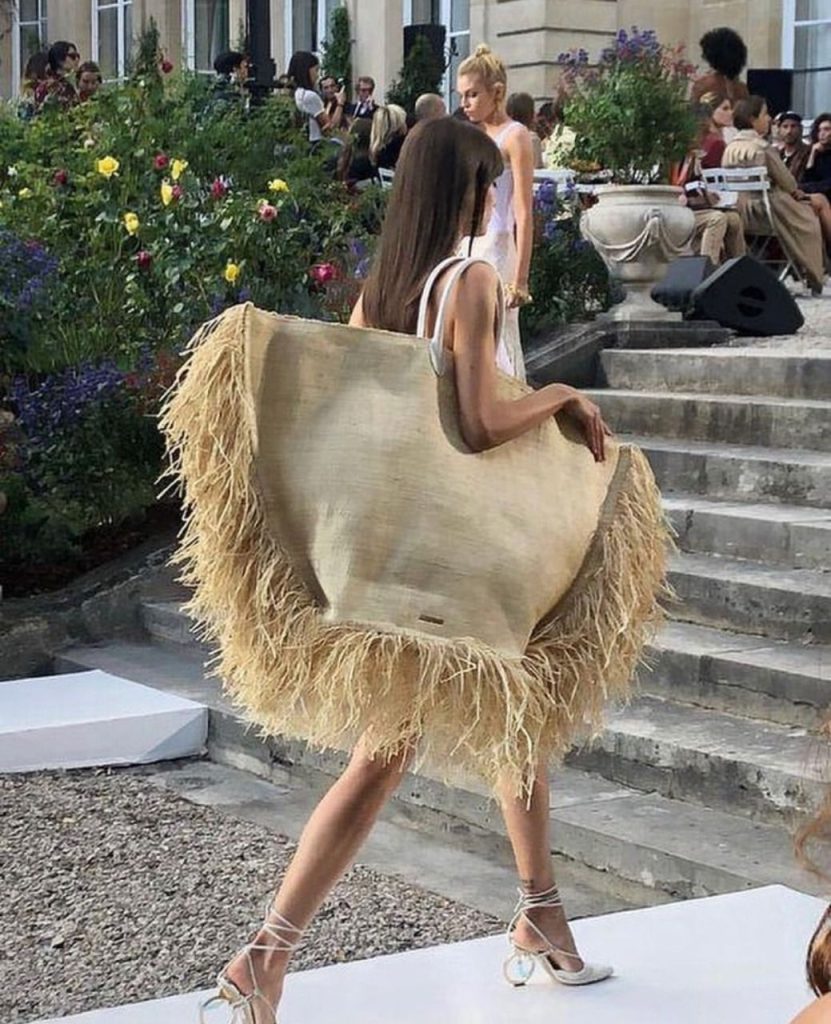
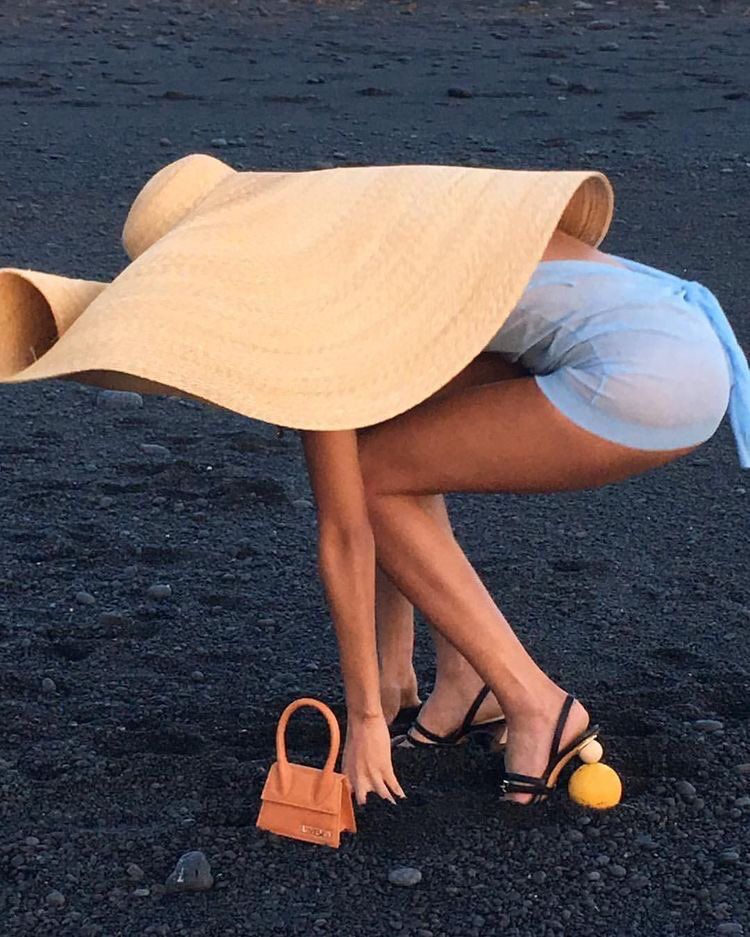
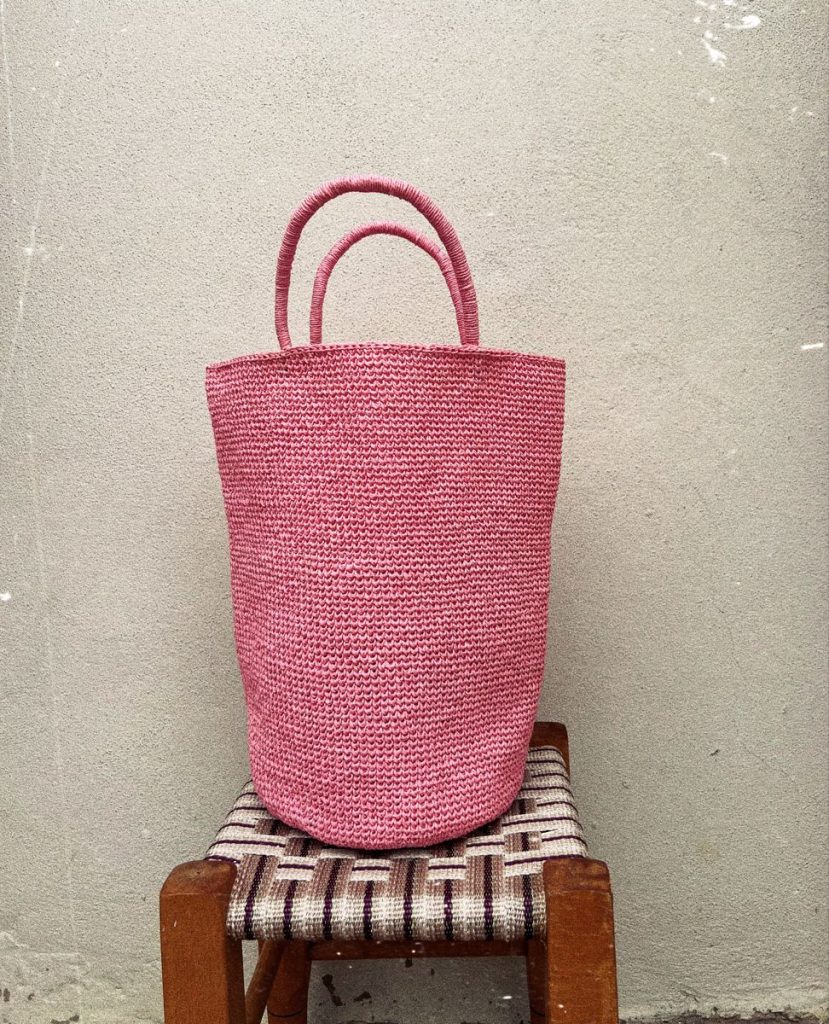
In recent seasons, fashion houses have embraced the basket as a true manifesto piece. It is impossible to ignore Jacquemus and its Le Raphia collection, an unapologetic tribute to a material dear to the Provençal designer. True to his roots, Simon Porte Jacquemus reimagined the basket in bold proportions, elevating it to must-have status.
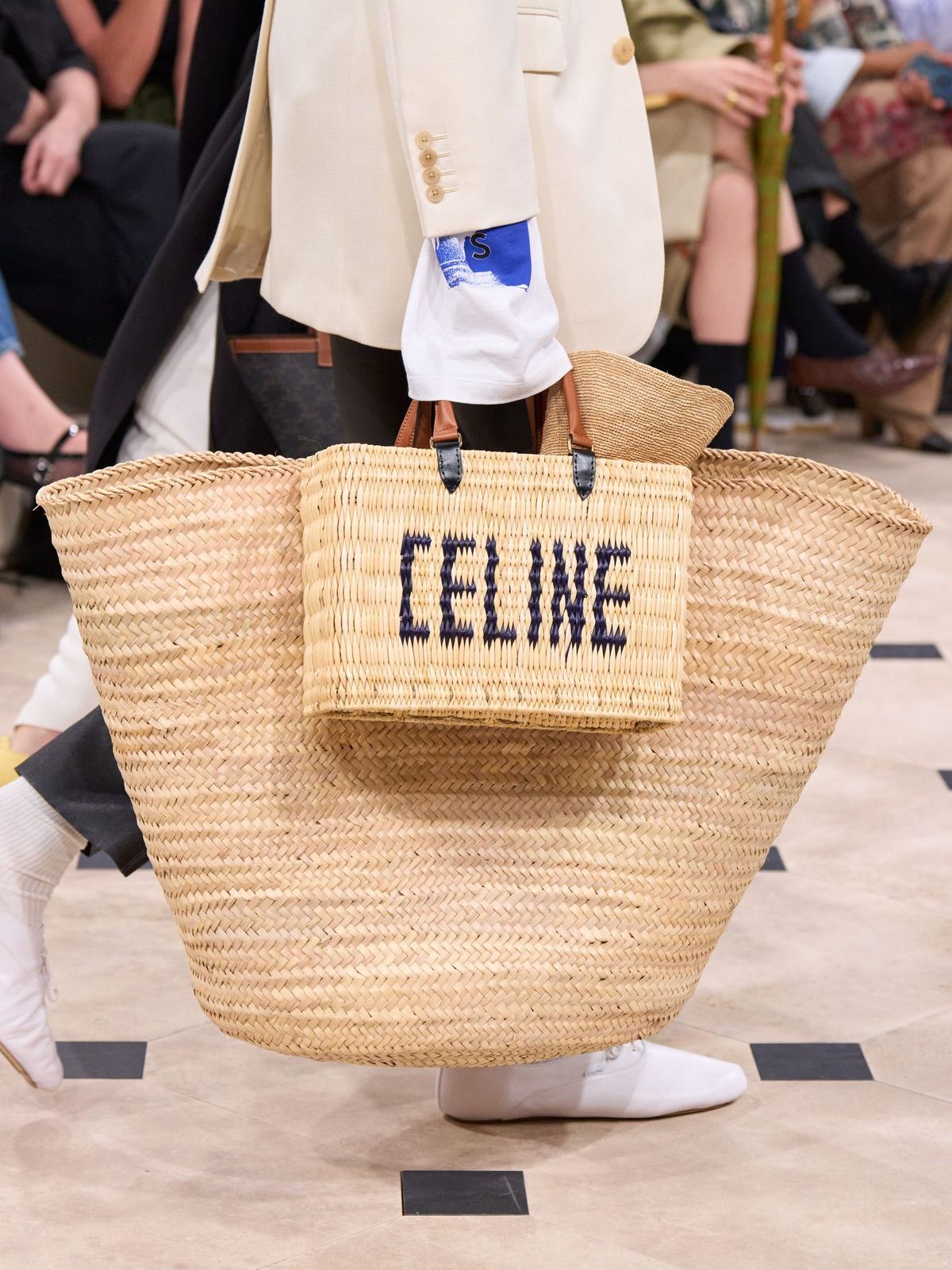
At Celine, Michael Rider offers a more narrative interpretation for Spring–Summer 2026: two baskets paired together, evoking the spirit of a chic picnic. At Hermès, meanwhile, wicker is entrusted to the house’s workshops to craft small, rigid trunks, poised at the crossroads of craftsmanship and luxury, designed to accompany mid-season silhouettes.
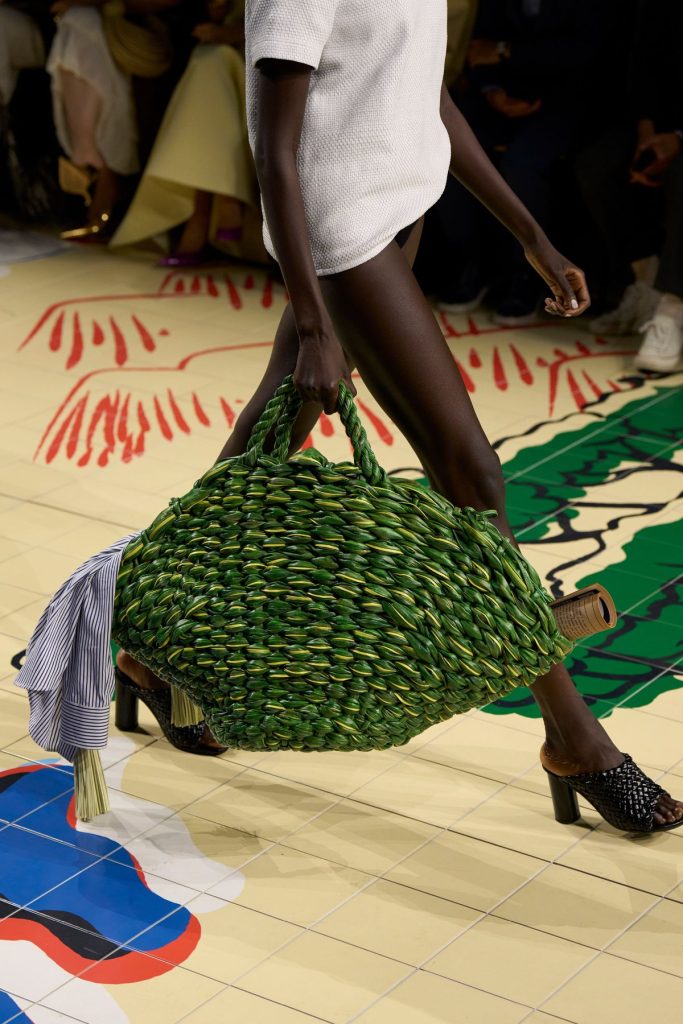
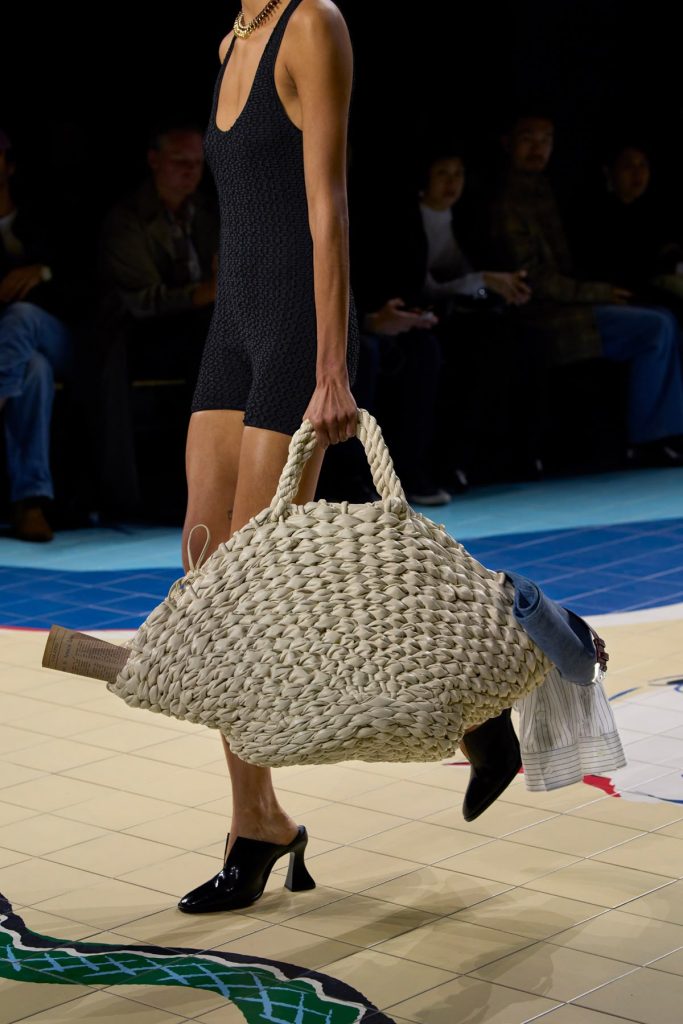
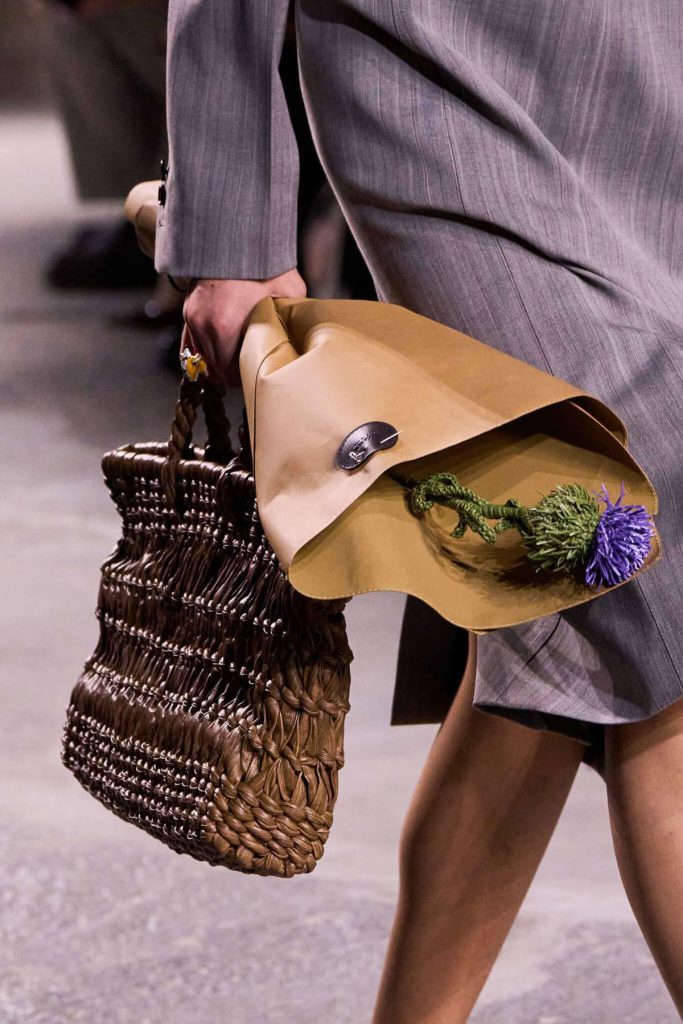
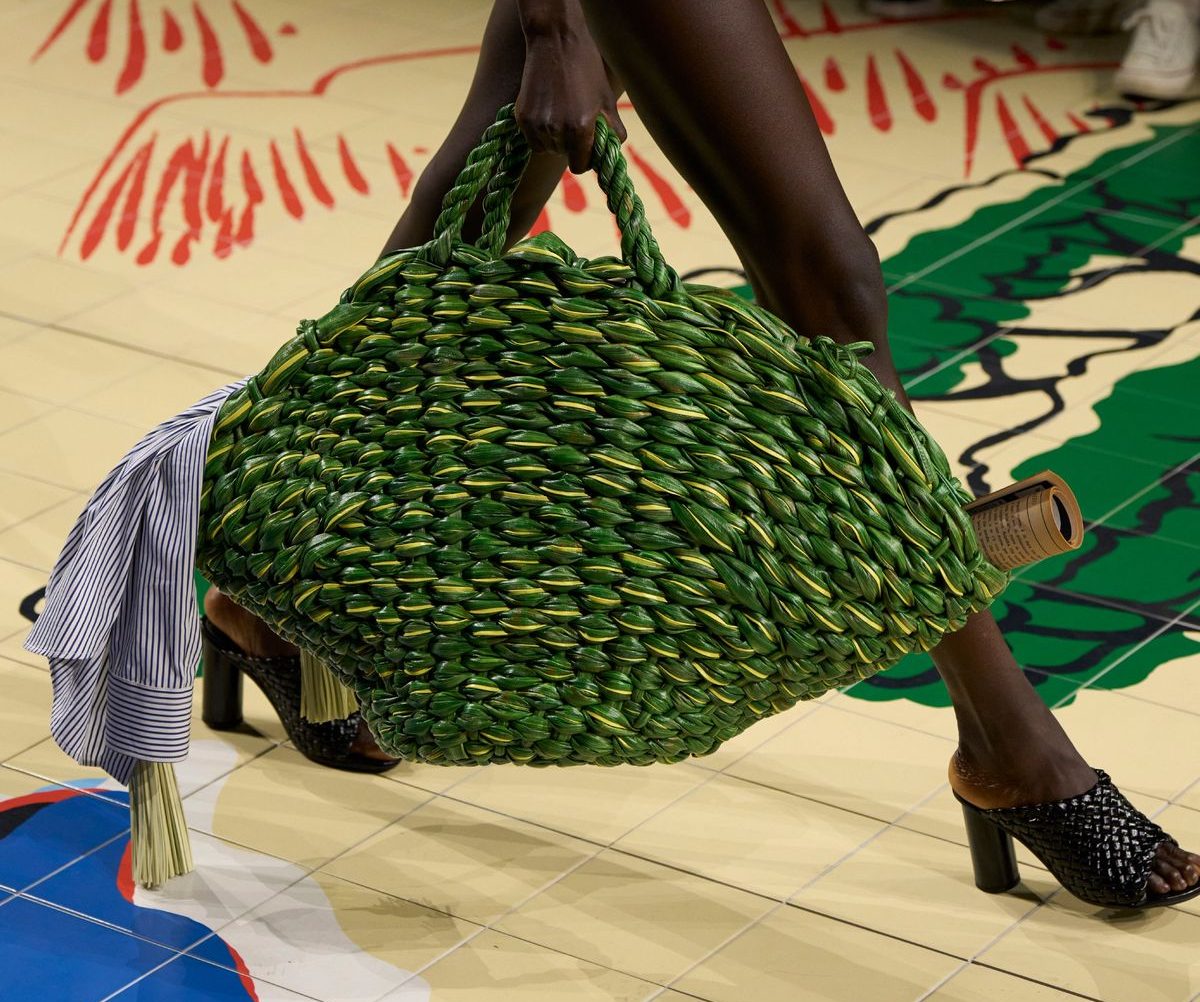
Bottega Veneta, a house historically associated with weaving has also embraced the basket. For Spring 2024, Matthieu Blazy, then the brand’s creative director, unveiled an XXL half-moon version, before introducing more compact variations the following season.
Even the so-called quiet luxury aesthetic has claimed it: The Row launched an oversized model, proving that the basket, beyond being timeless, is a true wardrobe staple.
A predominantly female accessory?
Despite this season-after-season enthusiasm, the basket remains largely associated with the women’s wardrobe. Fashion campaigns and imagery most often depict it carried on the arms of women, across all ages.
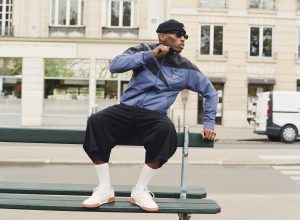
Among men, interest in handbags has certainly grown in recent years, yet the basket remains more discreet, confined to practical uses, particularly during a trip to the market.

Certain houses, such as Fendi and Jil Sander, have sought to blur the lines by offering basket-inspired designs that move away from the original form. Wicker is replaced with leather, the structure becomes softer, and the capacity more generous, providing a more consensual alternative for the men’s wardrobe.
The basket no longer simply accompanies our everyday errands: it tells a story, that of an object that has moved through the ages. It embodies that je ne sais quoi which transforms the practical into the elegant, proving that some accessories do not need to radically reinvent themselves to leave a lasting impression.