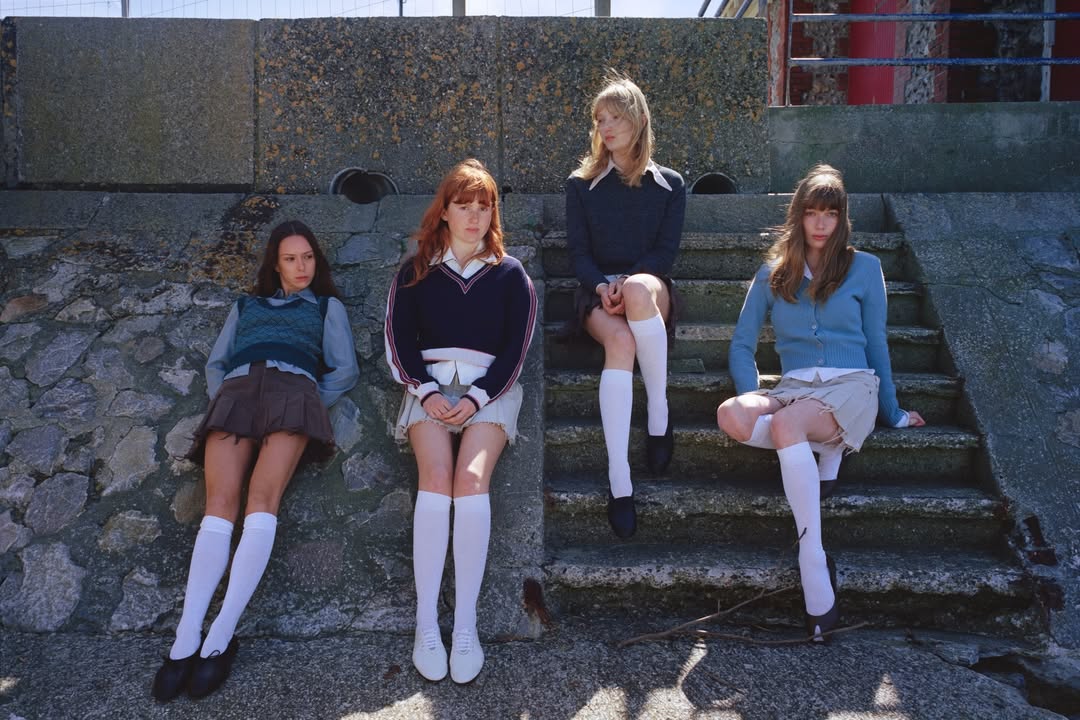

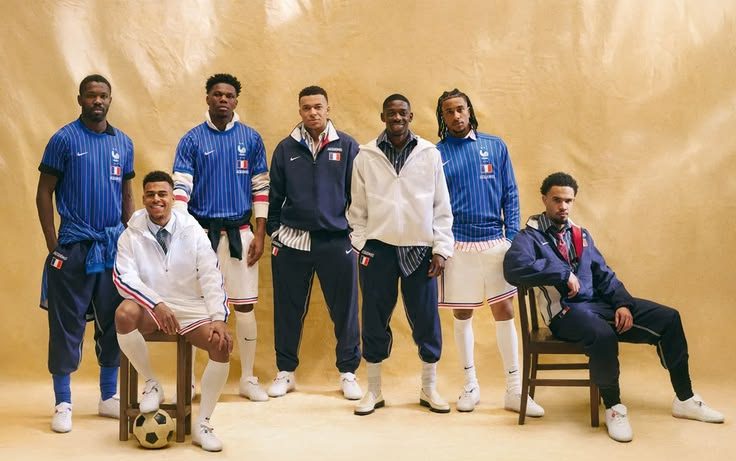
The FIFA World Cup is in full swing, while Paris Fashion Week has just ended. Taking place almost back-to-back, these two events capture the attention of audiences that might seem, at first glance, worlds apart. Yet, thanks to social media, football and fashion have become more intertwined than ever before. Footballers are now global fashion ambassadors, while the once-humble football jersey has earned its place as a wardrobe staple and a runway-inspired piece. Here’s a closer look at this fascinating cultural crossover.
Footballers: From Athletes to Fashion Icons
Today, football’s biggest stars are front-row regulars at fashion shows and sign multi-million-dollar endorsement deals. Ronaldinho walks the runway for KidSuper, Antoine Griezmann fronts campaigns for Mango, Ousmane Dembélé embodies Zegna’s understated luxury, while Kylian Mbappé serves as the global ambassador for Dior Men.
Several factors explain why the world’s leading fashion houses have fallen for football’s biggest stars. First and foremost is the immense popularity of these players, who are followed daily by millions of fans around the globe. With massive social media audiences, footballers have become powerful influencers capable of shaping trends and consumer behavior.
As public figures, footballers naturally work in an image-driven profession, where fashion and lifestyle are an integral part of their public image. Arrivals at their clubs or national team gatherings have become key moments, with cameras from around the world focused on them, much like the widely commented arrivals at Clairefontaine. It is the perfect opportunity to showcase a brand, send a message, or establish a signature look. While most players embrace fashion trends to varying degrees, some have developed a distinctive and particularly refined style of their own, such as Jules Koundé and Eduardo Camavinga.
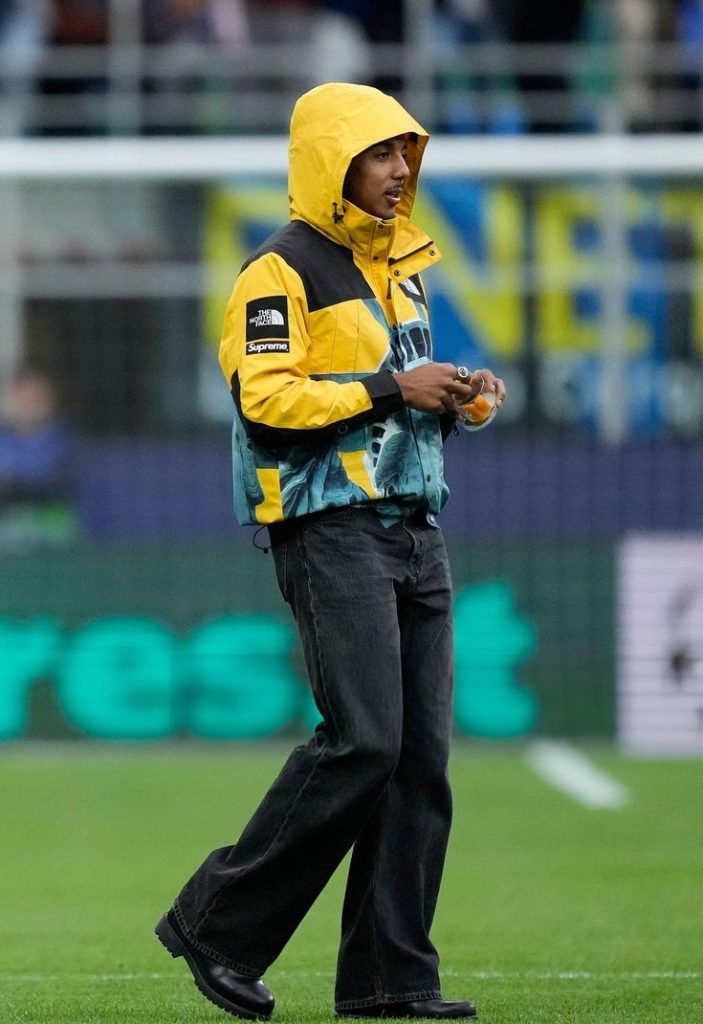
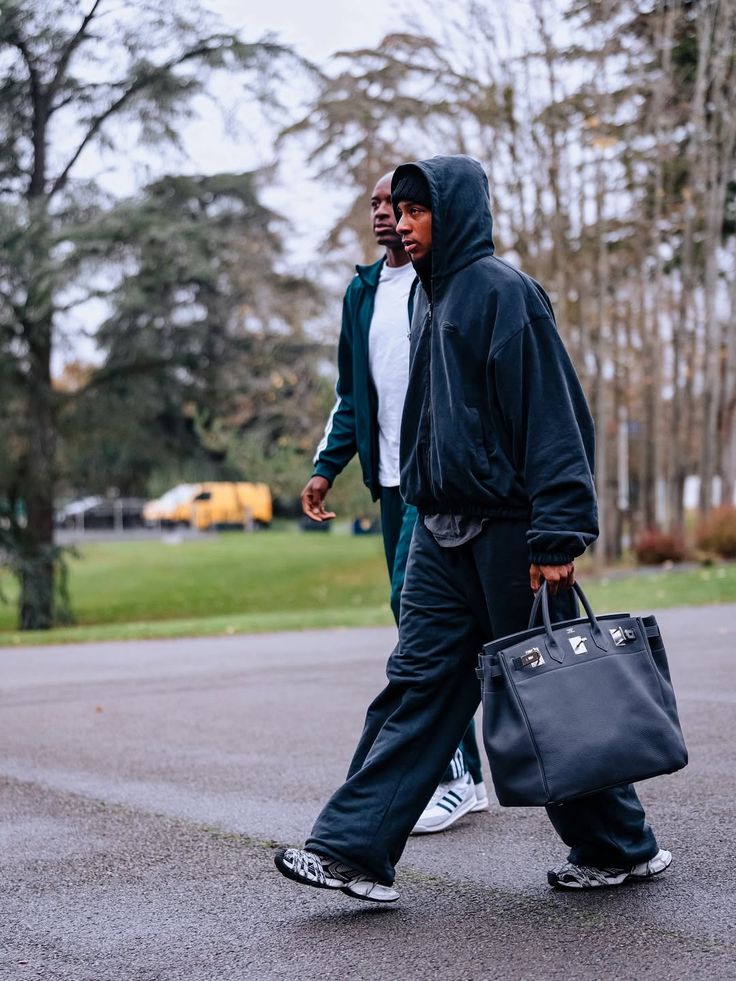

In addition to being true fashion ambassadors, footballers remain the leading faces of the sportswear brands they represent. The FIFA World Cup provides an unparalleled global showcase that these brands simply cannot afford to miss. And with this year’s tournament taking place across North America in the United States, Canada, and Mexico, advertising is everywhere during half-time and the now-famous cooling breaks, even though these repeated commercial interruptions have drawn widespread criticism.
Behind this thriving business also lies a powerful social dimension. Young boys who grow up following football now look up to players whose masculinity is more hybrid than ever before. Footballers are no longer seen solely as hyper-masculine athletes with extraordinary physical abilities. They take pride in their appearance, pay close attention to their outfits, and challenge traditional stereotypes by confidently wearing high heels, skirts, or designer handbags.
The Football Jersey: The New Wardrobe Essential?
While footballers are increasingly partnering with fashion brands, the reverse is equally true: the fashion industry draws heavily on the world of football when designing its collections. And it’s safe to say that designers didn’t wait for the FIFA World Cup to get to work.
While sportswear brands naturally sell official jerseys printed with players’ names, streetwear labels such as Willy Chavarria have fully reclaimed these codes, creating entire wardrobes inspired by football. In the same spirit, 3.Paradis made the leap by signing a highly noticed official collaboration with Paris Saint-Germain. Louis Vuitton, a historic fashion house, has also, under the influence of the late Virgil Abloh and then Pharrell Williams, paid a vibrant tribute to the beautiful game through its collections. Although the trend primarily concerns menswear brands, womenswear has not been left behind. Today, emerging female designers are rethinking the football jersey to make it more flattering for women, with much more fitted cuts.
Today, the football jersey has moved beyond its strictly supporter-oriented role. It is no longer worn only to cheer on a team at the stadium or to play sport. Instead, it has become an everyday wardrobe staple, paired with raw denim jeans or a skirt, just like the simplest T-shirt.
Football and fashion have definitively broken down the barriers that once separated them. By evolving from a popular sport into a global pop culture phenomenon, football has given fashion a new generation of icons and wardrobe essentials. Driven by international athletes and leading designers, this partnership shows that sportswear is no longer just about performance, it is also about attitude. The only question that remains is whether the growing emphasis on style will one day overshadow the game itself.