
After the 2025 edition in Brussels, Modest Fashion Week is setting up in Paris and not just for show. This is not a regional niche, but a global movement spanning continents and redefining how women’s fashion is conceived. From Serbia to Nigeria, via France and the United States, modest fashion transcends borders and cultures. It asserts that elegance and modesty are not mutually exclusive, and that there is a style for those who wish to dress more modestly without sacrificing their love of fashion.
What’s modest fashion?
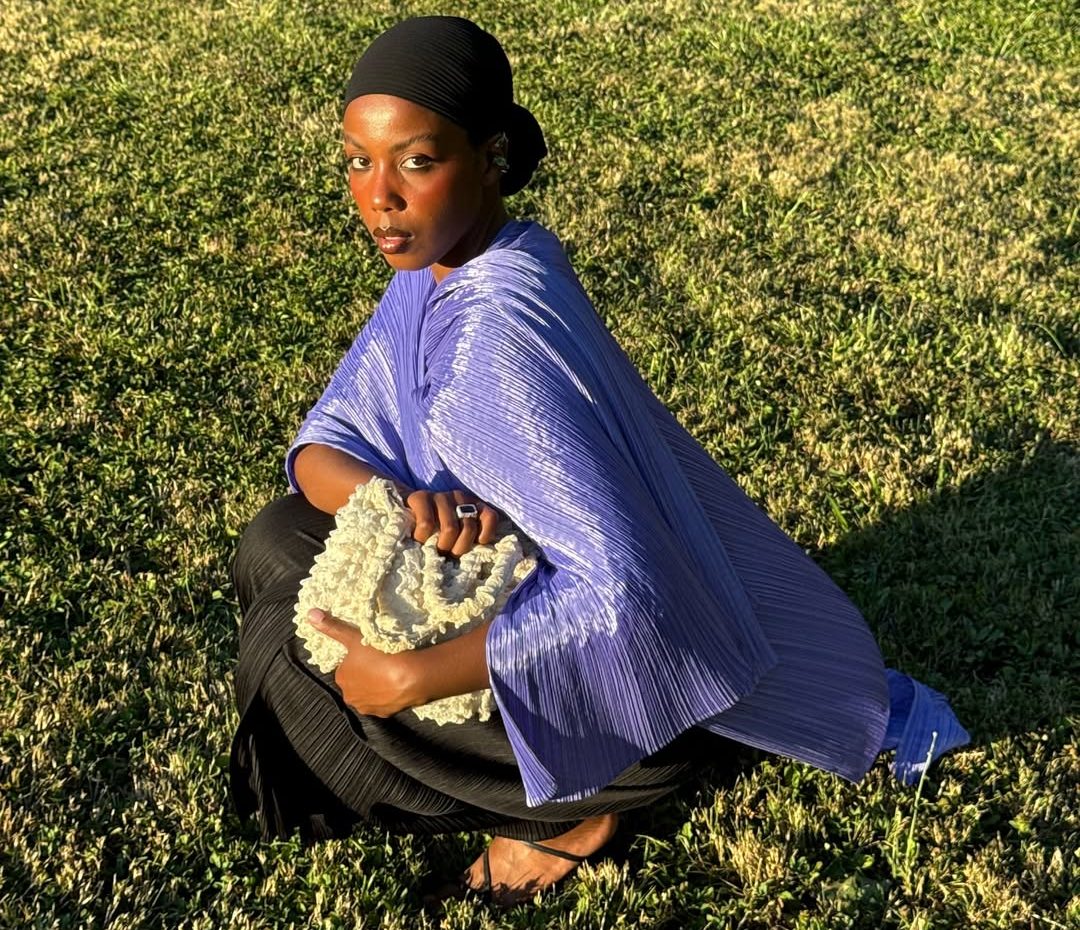
Under the slogan “Beauty in Modesty,” modest fashion is defined above all by the fusion of femininity and restraint. The garments are designed to be loose, long, and covering, yet never dull. Each piece plays with textures, colors, and patterns to create a strong identity. Contrary to popular belief, this fashion is not aimed exclusively at Muslim women. Depending on cultural context and country of origin, its expressions are diverse, ranging from refined floral patterns to reinvented abayas, from asymmetrical draping to peacoats, adorned with iridescent embroidery.
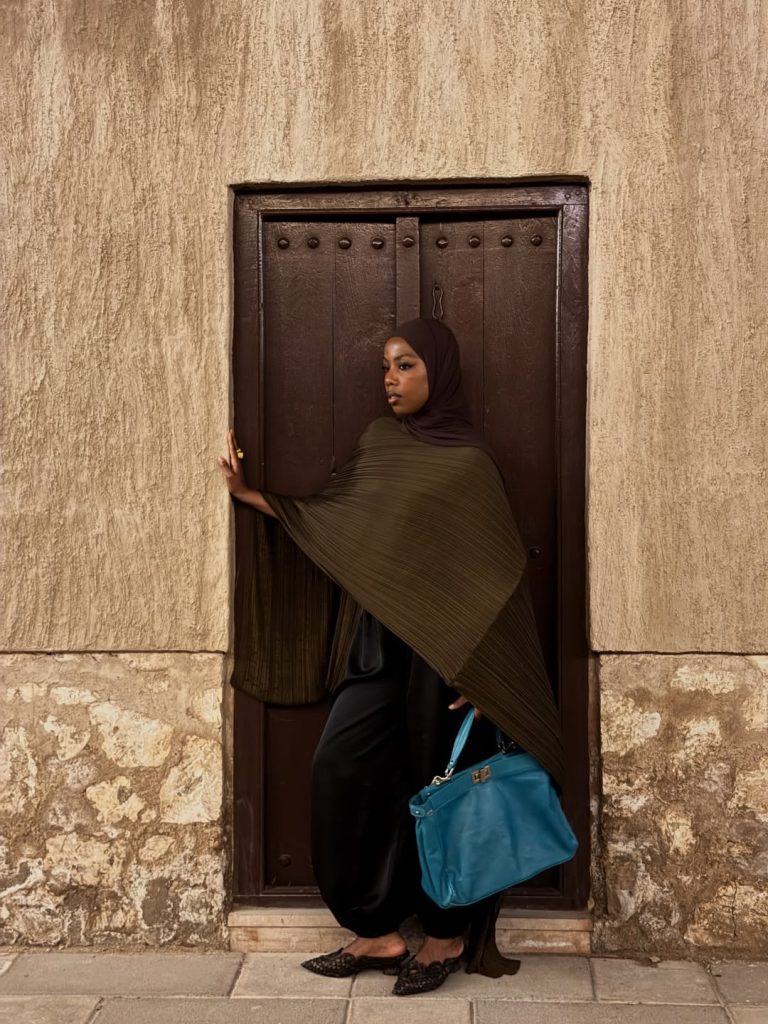
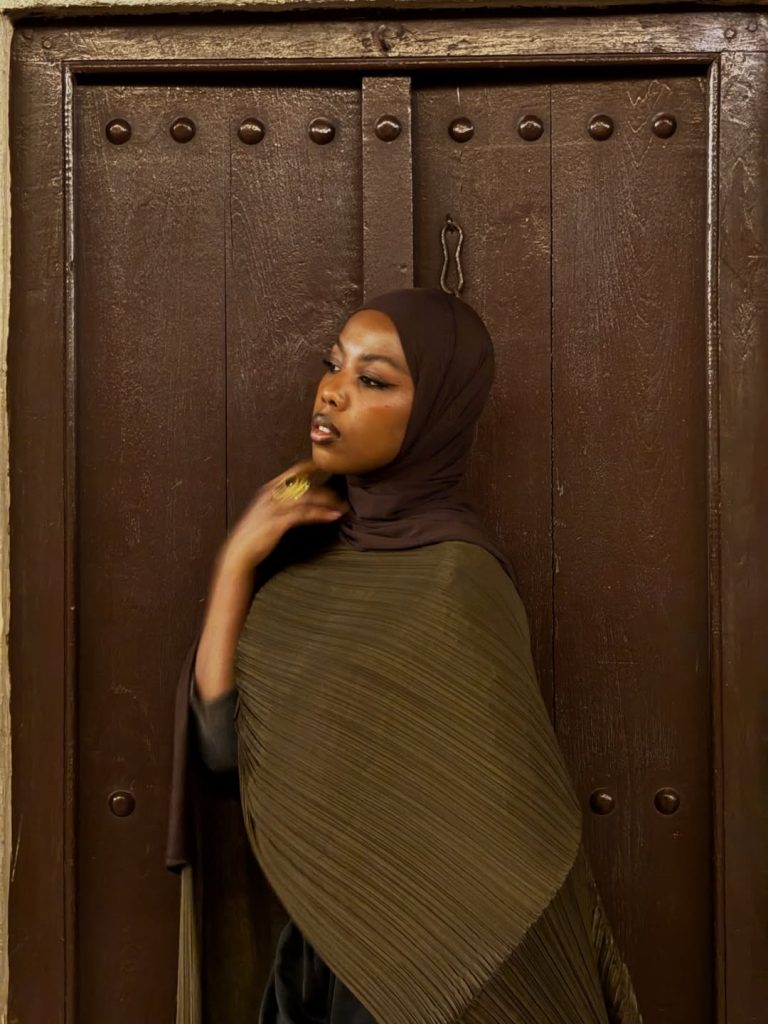
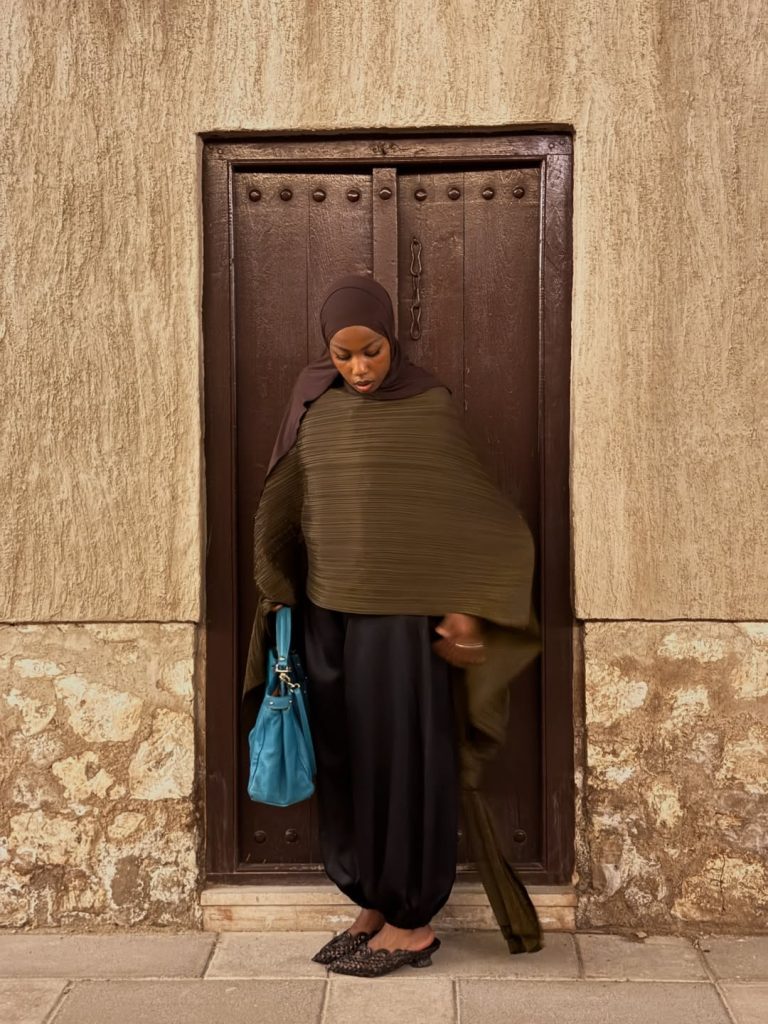
Modest fashion is not necessarily synonymous with religious choice; it also responds to a growing demand for diversity and representation in fashion. Behind these so-called “modest” labels are predominantly women, often women of color who are helping to redefine the contours of the industry. In this way, the style becomes politicized, not through overt activism, but by claiming a creative space long overlooked by traditional channels. By playing with proportions, loose-fitting garments also offer an inclusive alternative, capable of adapting to all body types.
Modest fashion challenges traditional representations of women and is prompting fashion houses, particularly Western ones to rethink their standards, with a stronger focus on body diversity and the representation of multiple cultural influences.
Behind the scenes of Modest Fashion Week
From April 16 to 18, the Hôtel Le Marois will host the first Paris edition of Modest Fashion Week. Three compact yet rich days, featuring talks in English on artificial intelligence and the future of modest fashion, runway shows scheduled in time slots indicating each brand’s country of origin, and a final showroom where buyers and the press can meet designers and place orders.
This international program is a clear statement: modest fashion is global. Participants come from France, Turkey, Russia, Qatar, Nigeria, and Indonesia, showcasing a diversity of talent and reminding the Big Four that cultural openness remains a work in progress.
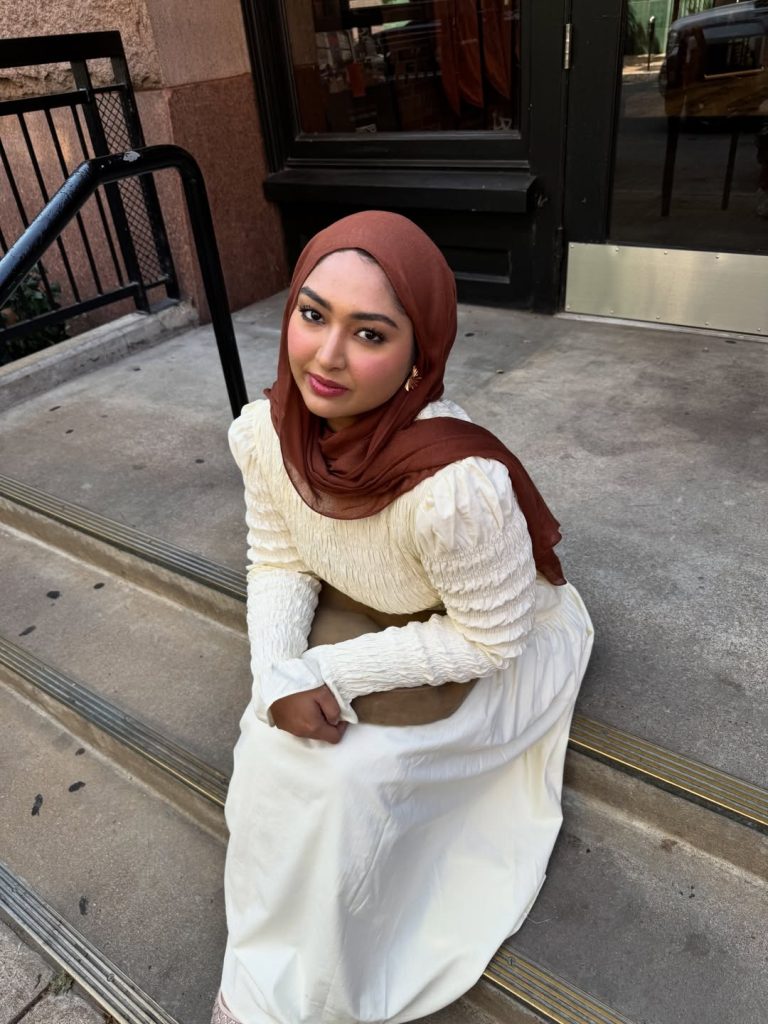
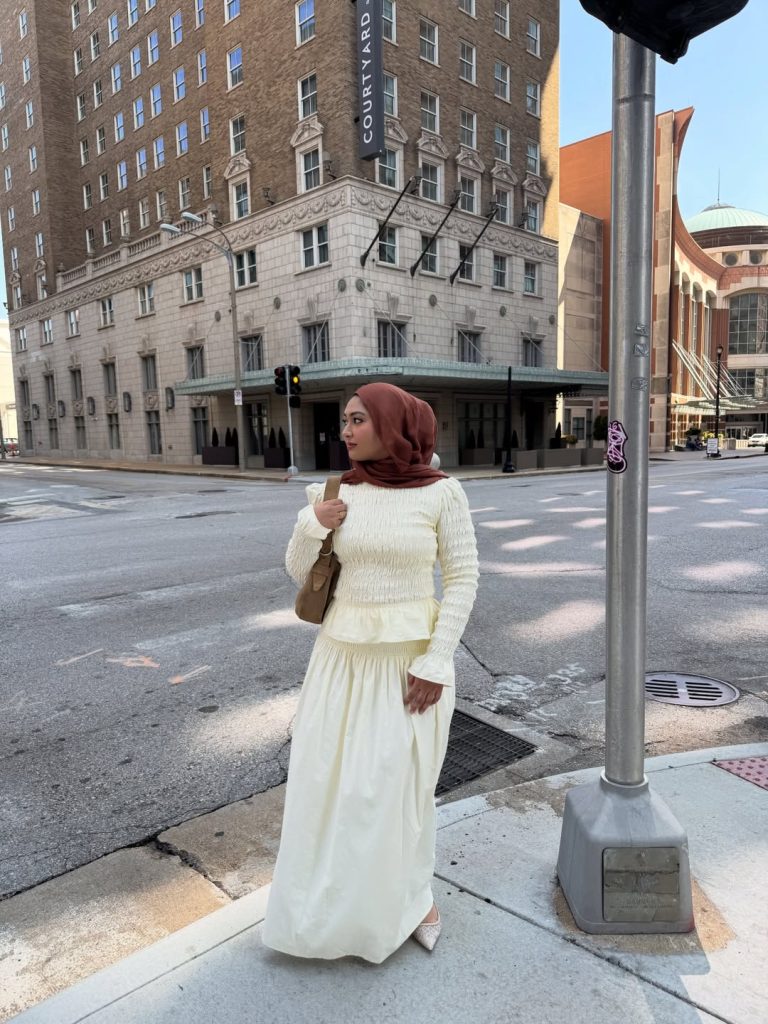
The condensed format unlike alternative events such as Marseille’s Slow Fashion Week makes it easier for mainstream media to attend and offers immediate visibility to designers who are still too often overlooked. The talks place modest fashion within a changing world, demonstrating that this movement can also serve as a space for reflection on women’s conditions and body perception. In short, a lens through which to examine society as a whole.
Promising names to keep an eye on
Nada Puspita, an Indonesian brand, plays with floral patterns and fluid cuts to create a delicate, spring-like aesthetic all year round. Soutoura, a French brand specializing in abayas, revisits traditional codes with tie fastenings, reminiscent of the adidas New Chinese jacket. Roqaia Fashion House, based in Kuwait, embraces a “quiet luxury” style to appeal to a more Western clientele while still resonating with women in the Gulf. The American brand Summer Evenings works with draping, pastel tones, and asymmetry, offering abayas with a contemporary twist that will captivate a younger generation.
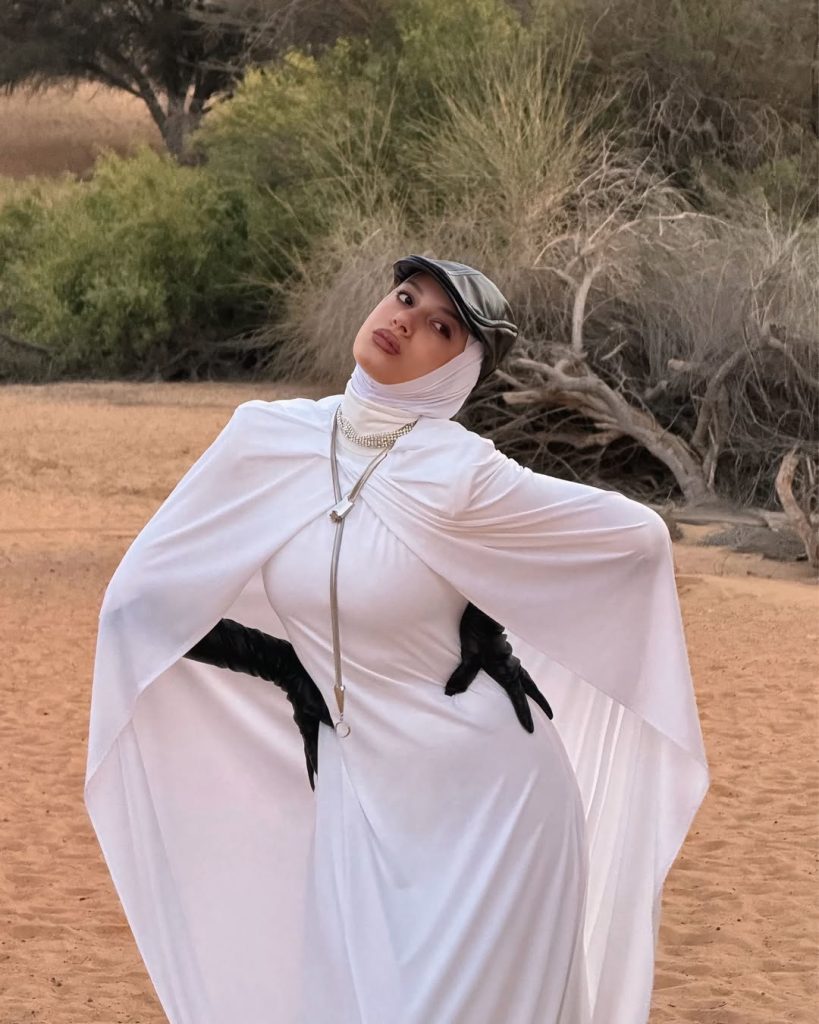
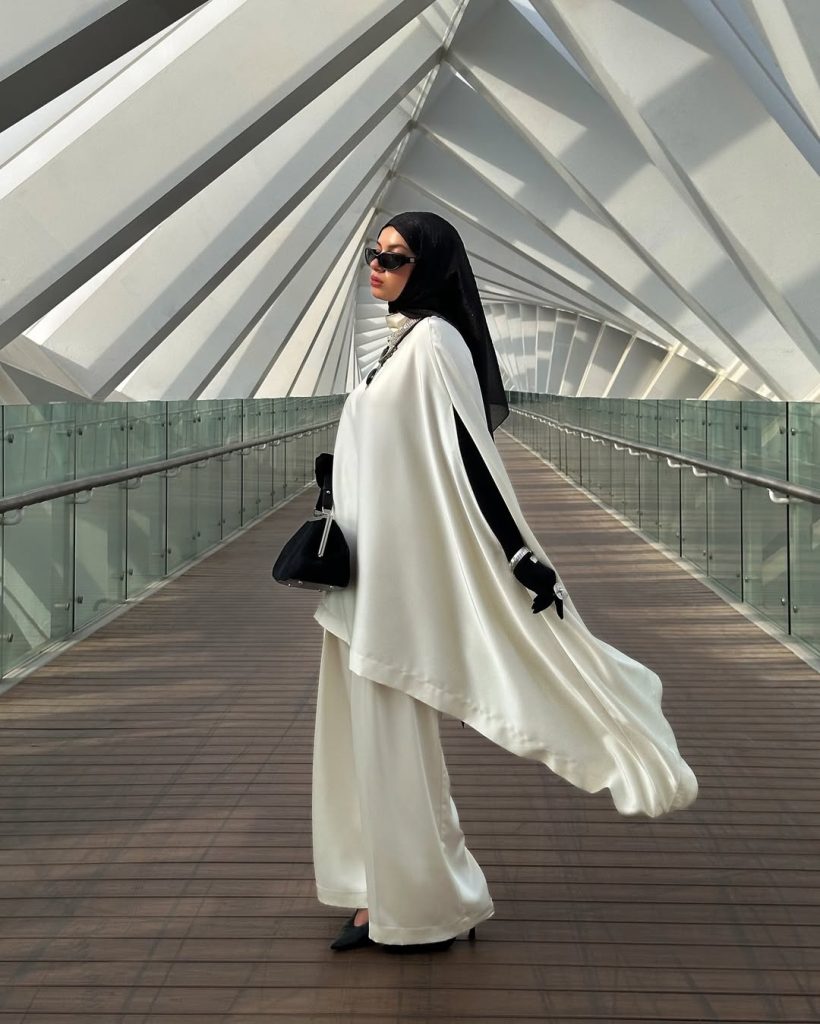
Modest Fashion Week in Paris is a reminder that fashion is not limited to the trends set by major houses. It highlights a global movement that is rethinking femininity, championing inclusivity, and offering designers a new space for creative expression. By hosting this event, Paris reaffirms its role as an open and forward-looking capital.