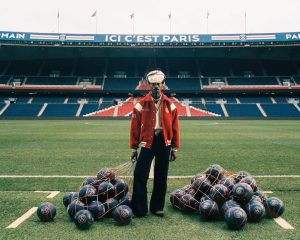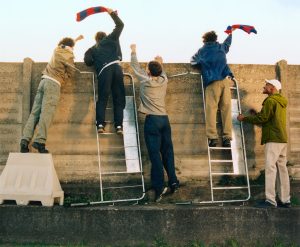

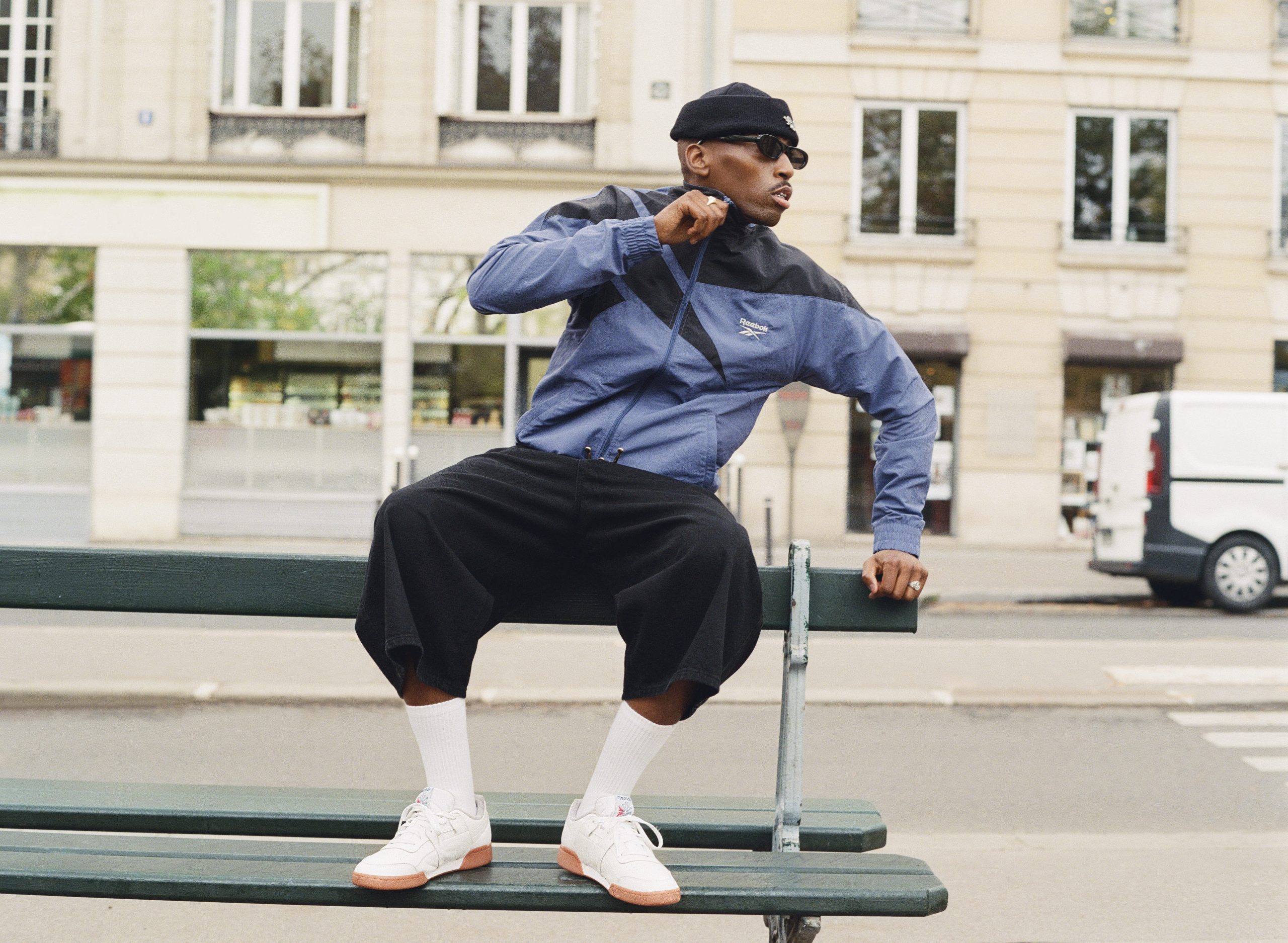
After making its mark on January Paris Fashion Week with a series of events celebrating underground culture, Reebok is keeping the momentum going with a new campaign. The brand is no longer just appealing to aficionados; it is highlighting talents from the European rap scene in a series of images that reinterpret the Classics. A closer look at these very well-shod talents.
Artists from the European rap scene
In his London studio, K-Trap creates his music drill with almost obsessive consistency. Since 2017, he has released one album a year, and with more than a million monthly listeners on Spotify, he has become a key figure in UK drill, a bass-heavy, saturated form of rap with Caribbean influences. For Reebok, a British brand, choosing K-Trap carries strong symbolism: he embodies, on the international stage, some of the very best the UK rap scene has to offer. The campaign is also a way for the brand to stay culturally relevant by connecting with younger audiences.
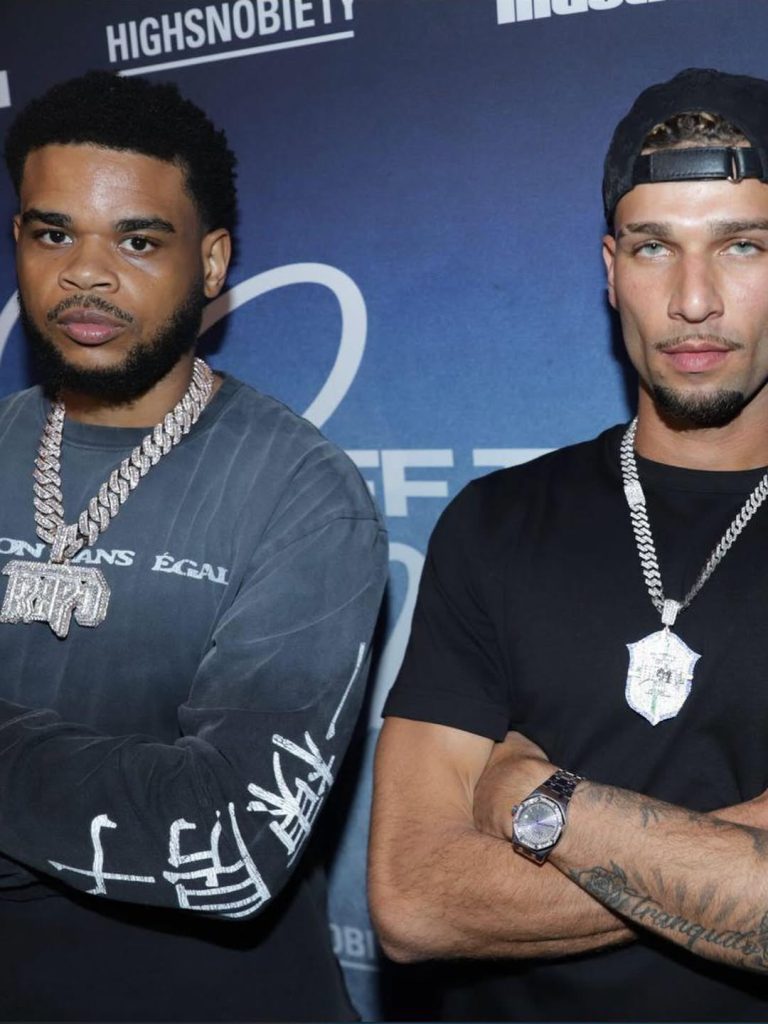
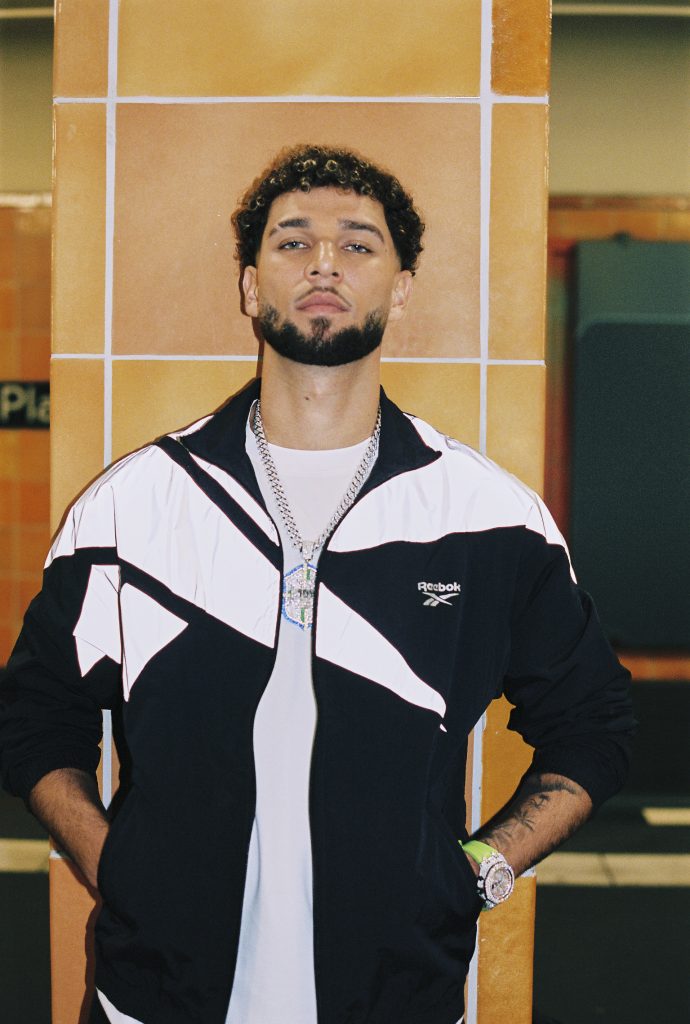
Across the Channel, Germany’s capital is where Lucio101 came up. A member of the 1019 collective, he racks up more than a million monthly listeners, much like K-Trap. While collaborations and projects keep multiplying, he doesn’t limit himself to music alone; his role in David Wnendt’s film Berlin Boys reflects a creativity that extends beyond music.
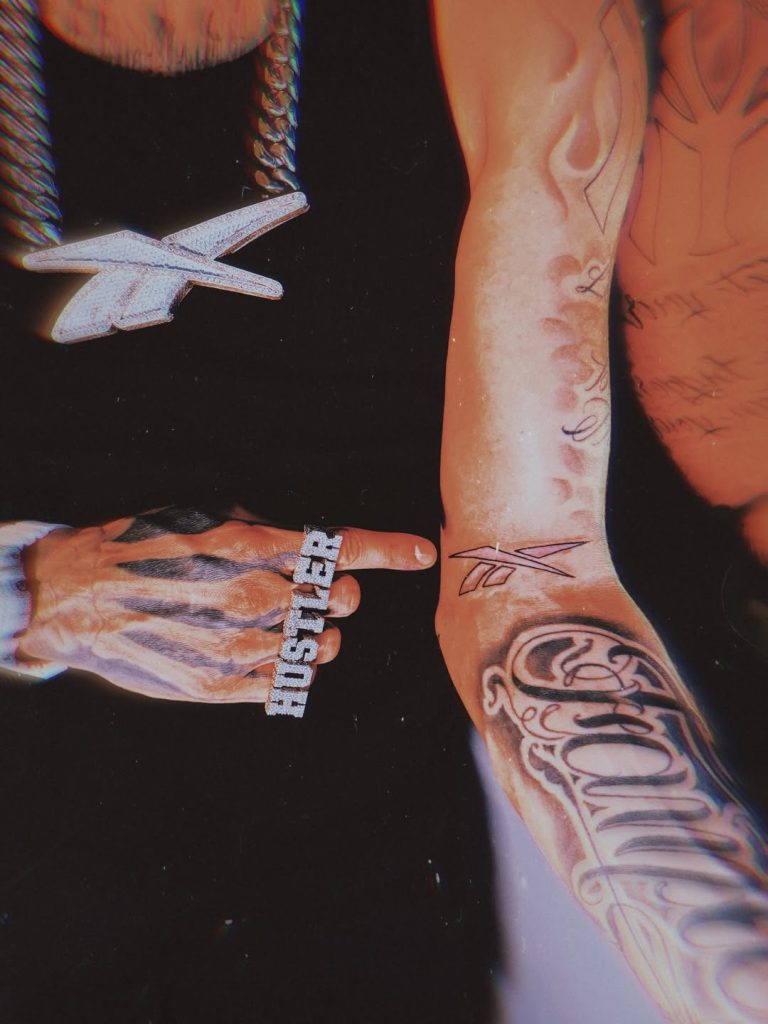
From vibrant Milan, with its hard-hitting basslines, Rondodasosa stands out with nearly 2.5 million monthly listeners on Spotify. The artist, who has tattooed the Reebok logo on his forearm, shows a loyalty to the brand that goes beyond a simple commercial collaboration. His meeting with London artist Central Cee propelled his music beyond Italy’s borders, and today the Reebok campaign echoes this blend of local pride carried onto the international stage.
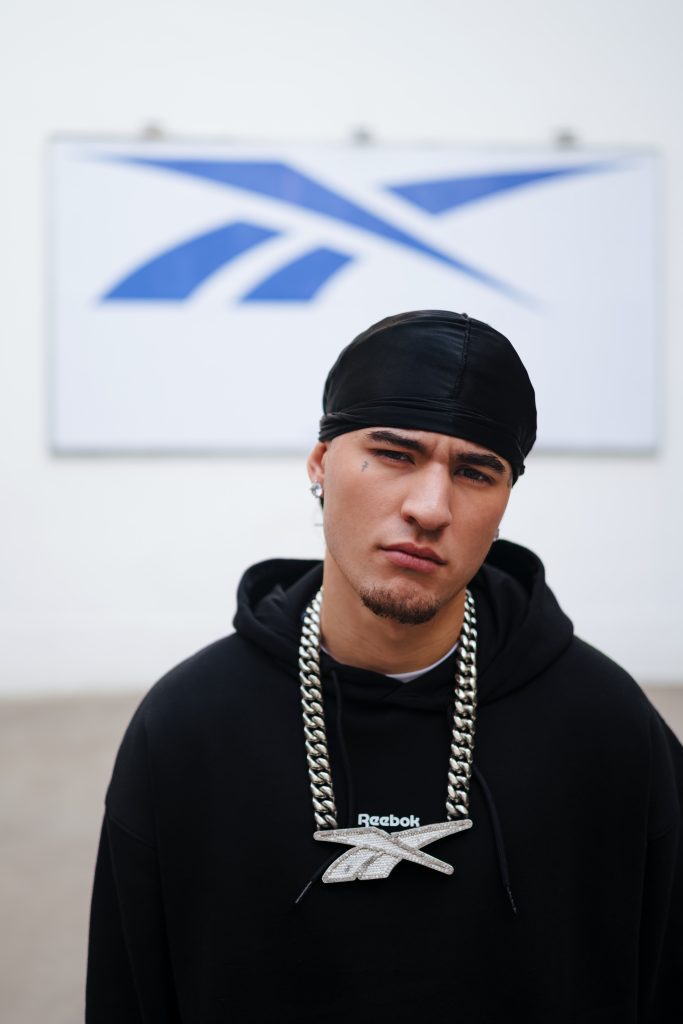
In the French capital, rapper Prince Walyv, originally from Montreuil, is no stranger to fashion collaborations. From Walk in Paris to adidas and now Reebok, brands are eager to work with him.
When his collaboration was officially announced, he hinted: “Album 2 in the works, don’t think we’re sleeping, we’re just processing a future Classic,” a nod to the iconic sneaker that has spanned decades, and the perfect opportunity for the rapper to tease his upcoming project.
A strategic comeback for a Classics icon
By bringing together artists from different European scenes, Reebok isn’t just aiming to create an eclectic campaign. The brand is also putting the spotlight back on one of its commercial pillars: the Classics line, a model whose longevity lies precisely in its ability to stand the test of time.
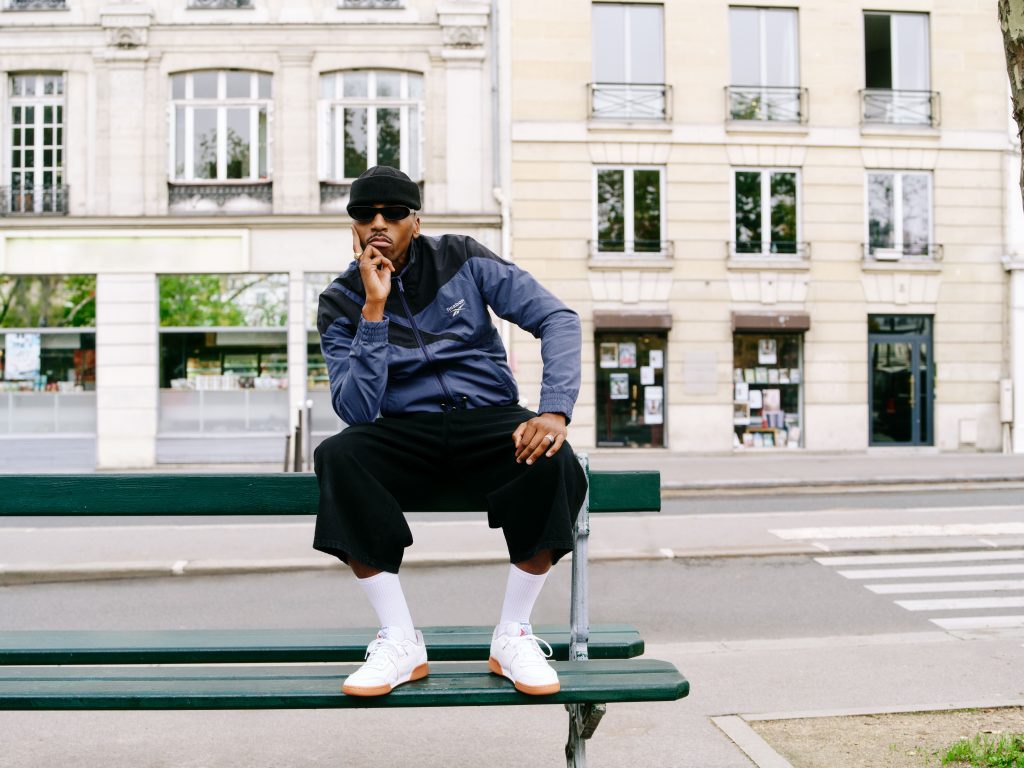
With its instantly recognizable silhouette, clean lines and understated branding, the pair belongs to that rare category of sneakers that never truly disappear. It has simply moved through generations of fans, shifting from 1990s streetwear enthusiasts to artists from the new rap scene. The strategy is nothing new: the Classics have long been associated with music, notably when they were worn by Kendrick Lamar, a major figure in American rap.
When brands compete for artists
This kind of campaign also reflects a broader shift within the industry: brands are no longer relying solely on internationally known ambassadors such as Karol G, recently chosen by the brand for its women’s line. They are now investing in artists deeply rooted in local scenes.
Rap, drill and trap thus become powerful channels for Reebok as it seeks to engage with a new generation. The artists selected are not merely faces for a campaign; they represent communities, territories and aesthetics. By bringing together K-Trap, Lucio101, Rondodasosa and Prince Waly, Reebok is not just assembling a musical cast but mapping the contemporary European rap scene.
The sneaker, meanwhile, becomes the point of convergence between these worlds. A way for the brand to remind us that a classic never truly belongs to the past is reactivated through new scenes.