
Straddling the line between avant-garde design and viral success, these brands are rewriting the rules of the modern women’s wardrobe. An overview of the names to watch very closely in 2026.
Damson Madder, sustainable audacity that runs counter to trends
Hailing from the United Kingdom, Damson Madder is gradually establishing itself as one of the most credible responses to trend fatigue. The brand embraces a deliberately slower pace, far removed from overproduction: each piece takes between twelve and eighteen months to develop, a consciously chosen timeframe that restores the garment to the heart of the wardrobe.
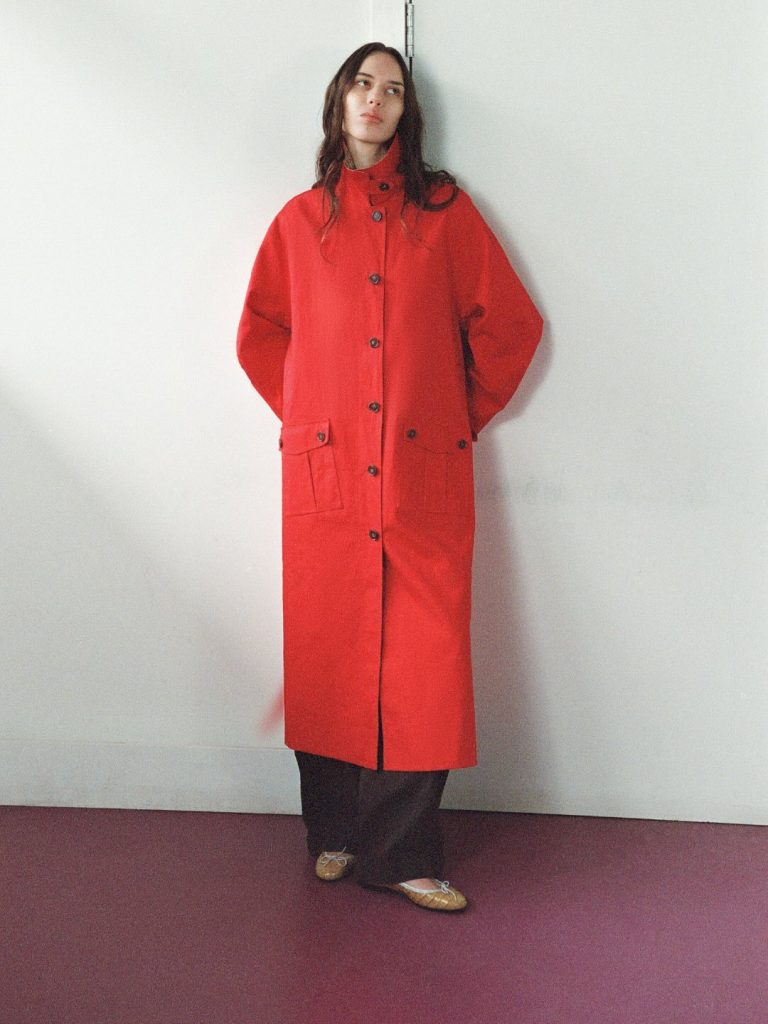
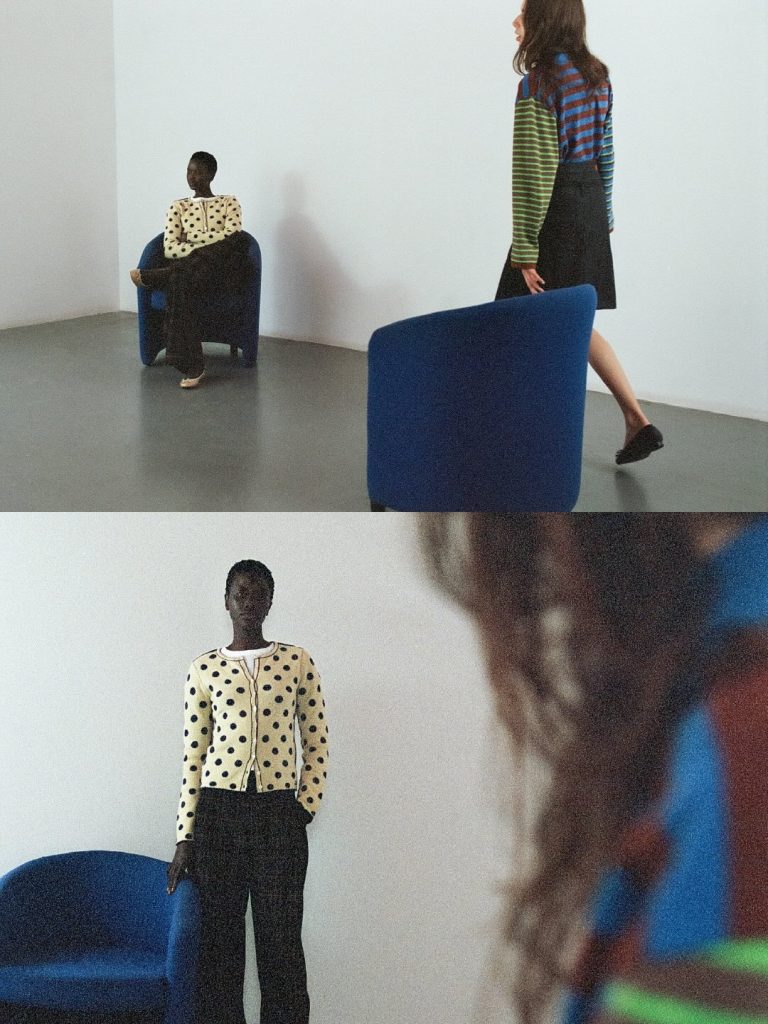
Recycled materials, transparent processes, clearly displayed environmental certifications, and unambiguous slogans: “made to last,” “maximum style, minimum impact.” The designs strike a balance between functionality and character: reversible trench coats, puffer jackets with removable sleeves, and cuts designed to adapt to real life. Often classic, the patterns are reimagined through bold color combinations. Already embraced by a new generation of in-the-know ambassadors, Damson Madder is emerging as a safe bet among the new labels championed by more conscious it-girls.
Fanci Club, the creative wave sweeping in from Ho Chi Minh City
Fanci Club marked a turning point this year with its first large-scale runway show in Ho Chi Minh City, unveiling no fewer than eighty looks, alongside the simultaneous launch of its menswear line.

Still difficult to access in Europe with no physical retail presence in France to date. Fanci Club only heightens curiosity. A European expansion seems like the next logical step. On the creative front, the label easily holds its own against major Western fashion houses. Its wardrobe stands out for its unapologetic sensuality. The trend of bras worn as tops, ubiquitous at the end of the year, finds one of its most visible origins here.
The menswear line, meanwhile, offers a reinterpretation of masculinity: open backs, sheer blouses, fluid cuts and an explosion of color shape a hybrid wardrobe. Fanci Club is therefore not content with following the spirit of the times, it is helping to shape it.
Diane V : When pattern turns into a manifesto
After a particularly distinguished year in 2025 marked by a collaboration with PinkPantheress and an entry into Dover Street Market Paris, Diane V continues its expansion with distinctive energy. Driven by the Franco-Togolese roots of its founder, the brand embraces a pronounced taste for pattern layering and cross-cultural references.
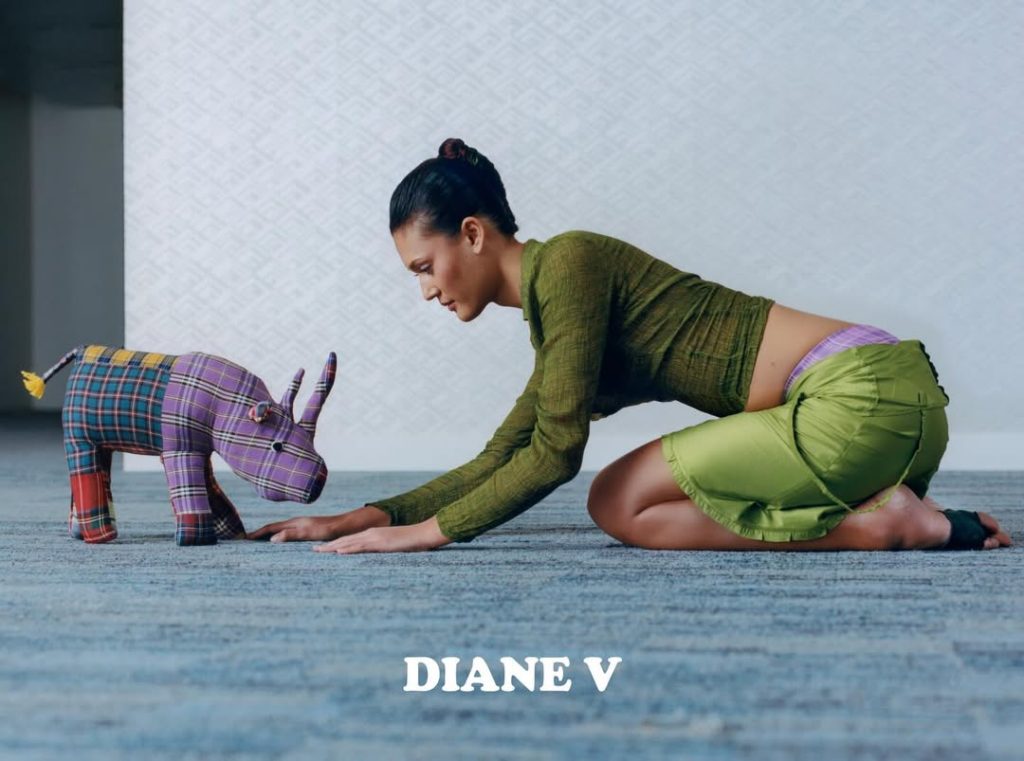
In stark contrast to quiet luxury, Diane V celebrates textile exuberance: camouflage, checks, tartan and madras coexist without hierarchy. The bags, the label’s signature pieces, are now joined by playful accessories, mainly small animals made from fabric offcuts. Beanies, not yet commercially available, hint at a broader wardrobe expansion. Already embraced by it-girls with a keen eye for emerging labels, Diane V confirms its status as a brand to keep an eye on.
Lucila Safdie, a femininity conceived from within
Trained at Central Saint Martins, Argentine designer Lucila Safdie develops a delicate universe in London, poised on the boundary between childhood and adulthood. Her creations tell the story of a wardrobe conceived through a distinctly female gaze.
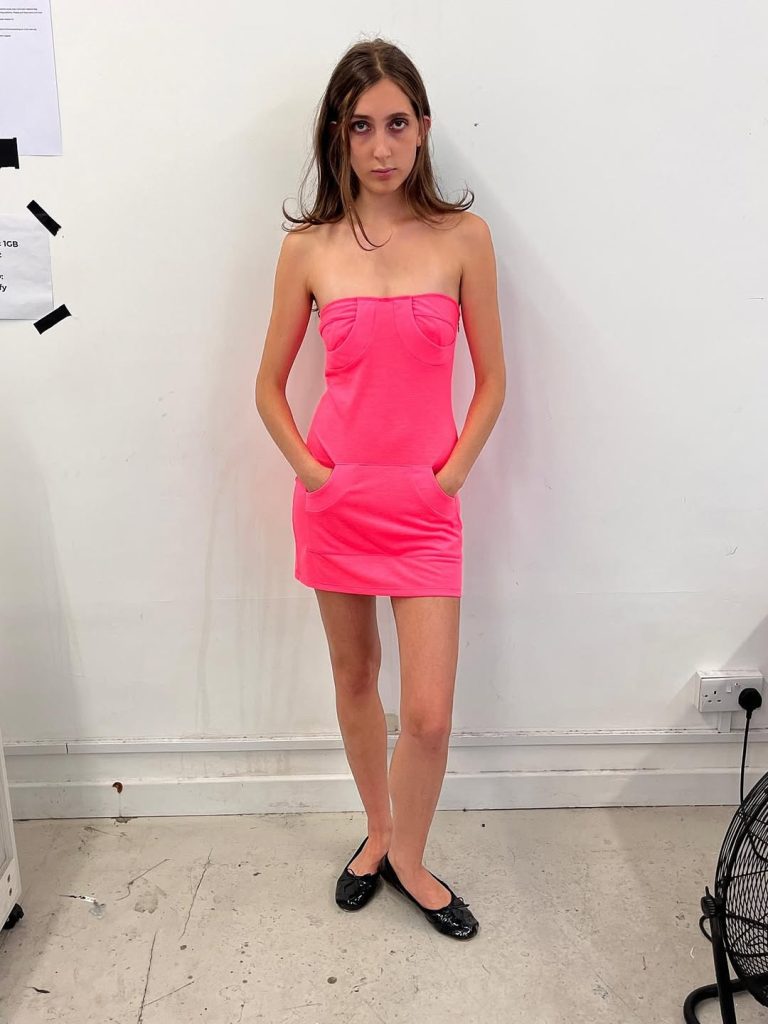
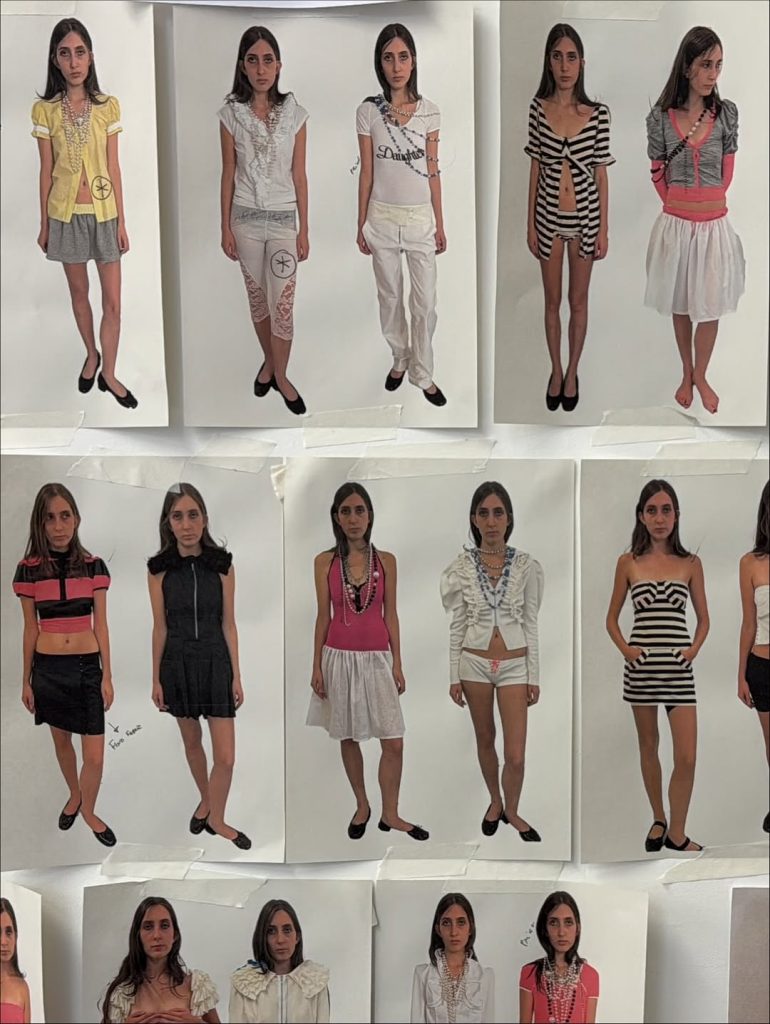
Production remains deliberately confidential: all pieces are handmade in the British capital, in very limited quantities. This reduced scale is not a constraint but a cornerstone of the label’s identity. Lucila Safdie speaks of a fashion where emotion and intimacy are inseparable from the creative process. Hybrid pieces, polos fused with knitwear, demure silhouettes subverted by lace details, transparency or cut-outs, embody this pursuit of understated complexity.
August Barron, the new chapter of a radical vision
After All-In, the duo Benjamin Barron and Bror August Vestbø unveil August Barron, a synthesis of their two creative identities. Finalists for the LVMH Prize in 2025, they are emerging as central figures in experimental womenswear.
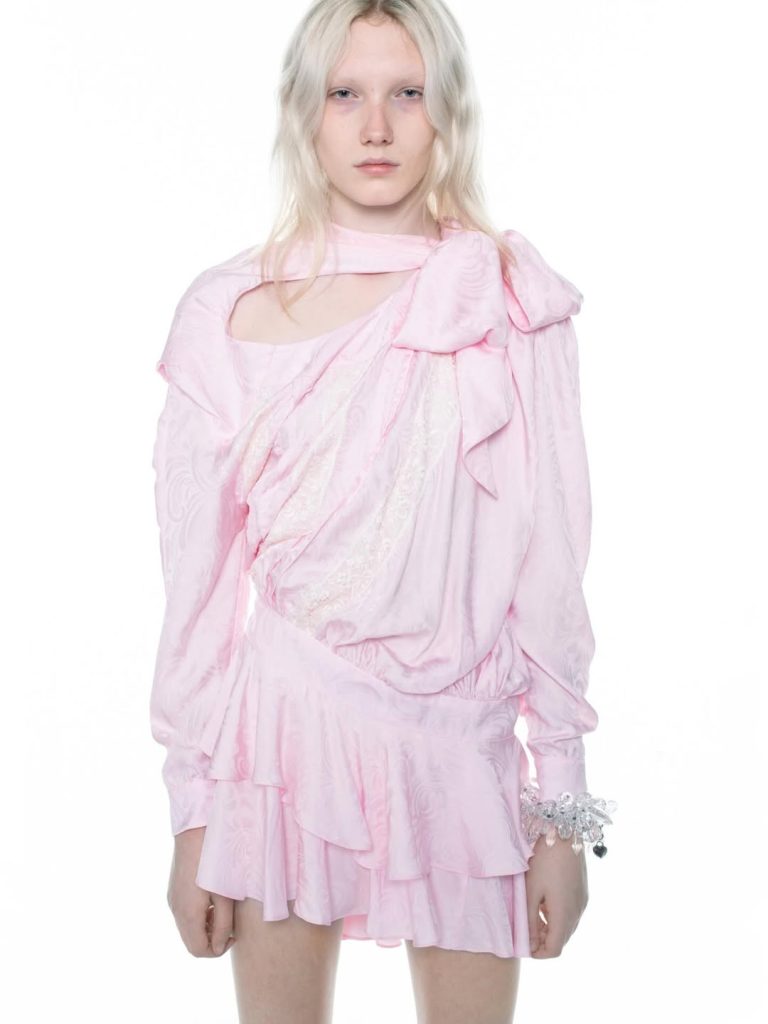
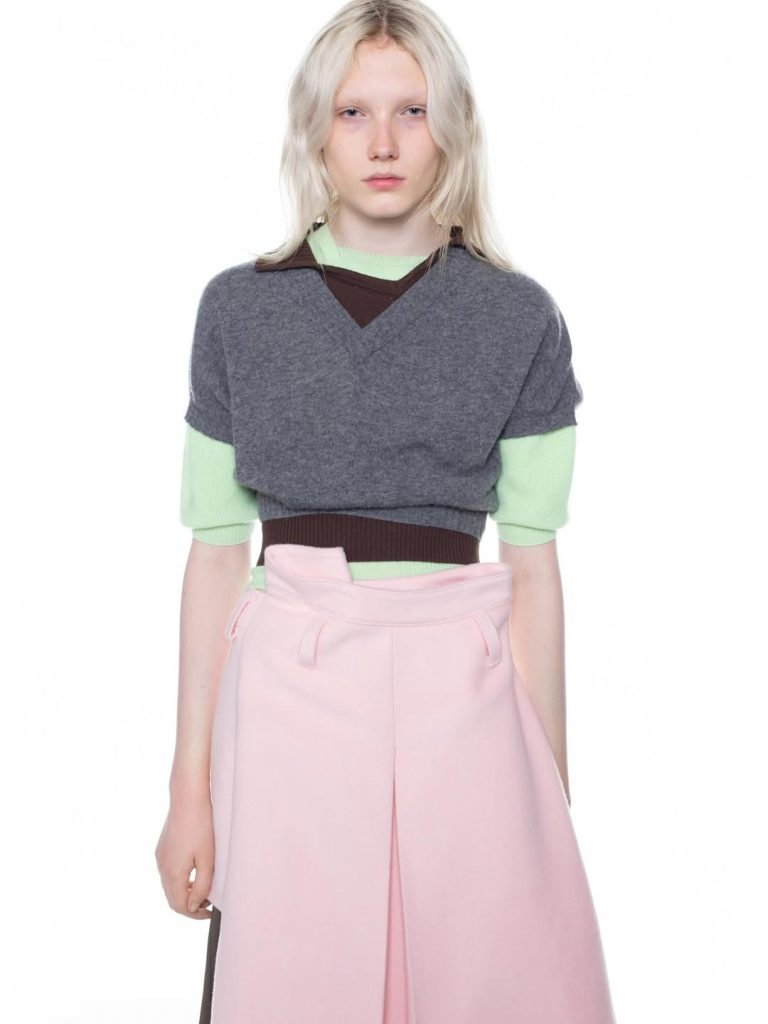
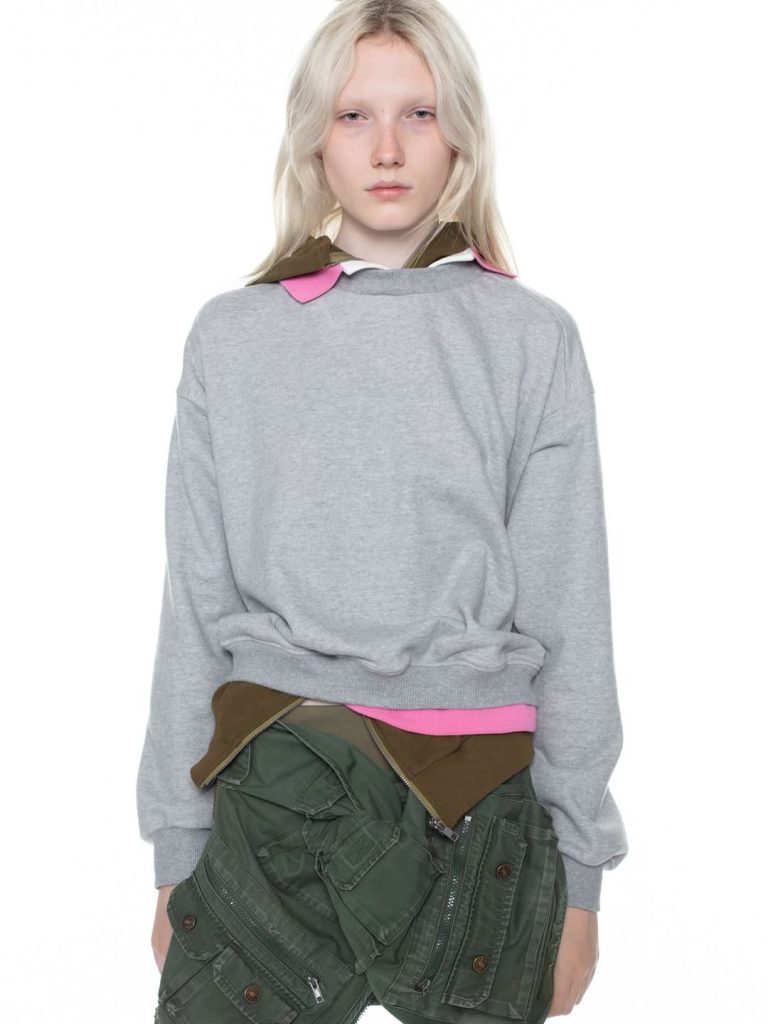
The Paris-based label draws on a cross-disciplinary practice that blends photography, fashion and publishing. Production, meanwhile, relies on the use of deadstock and deliberately limited quantities. A collaboration with stylist Lotta Volkova, an undeniable industry figure has further boosted the project’s visibility.
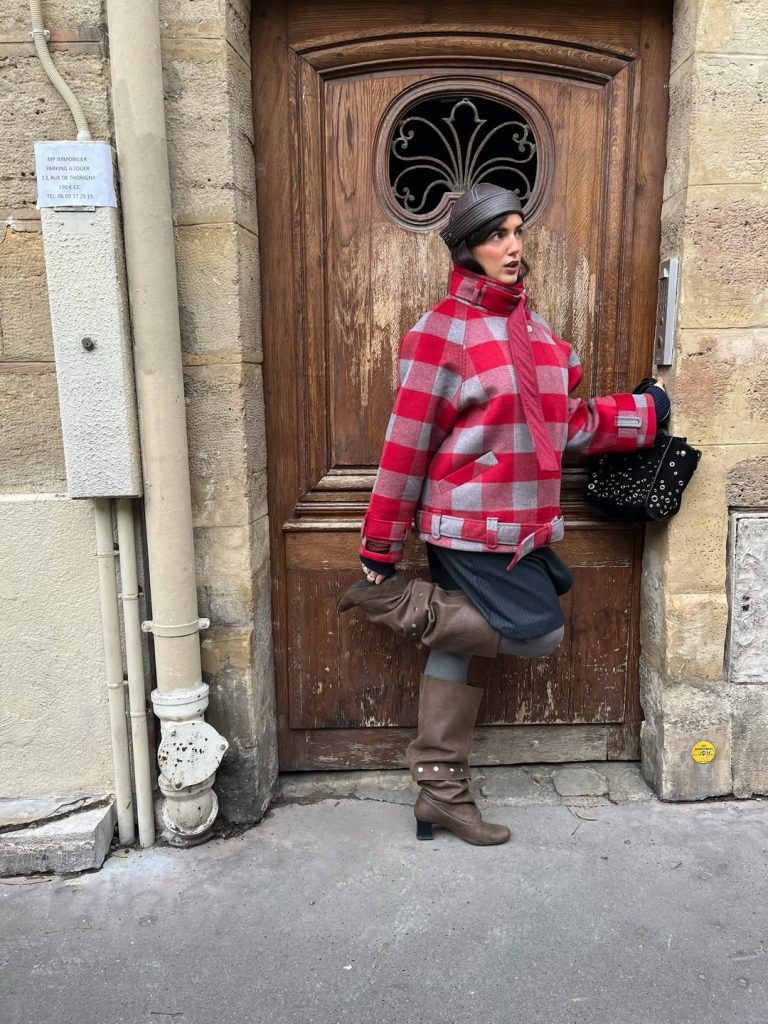
Aesthetically, August Barron stands out for its command of layering, asymmetry and garments worn in deliberately offbeat ways. Each piece appears designed to be endlessly reinterpreted. The brand also stands out through a sharp expertise in footwear, particularly oversized boots and eyelet-detailed shoes, which have turned into signature elements.