
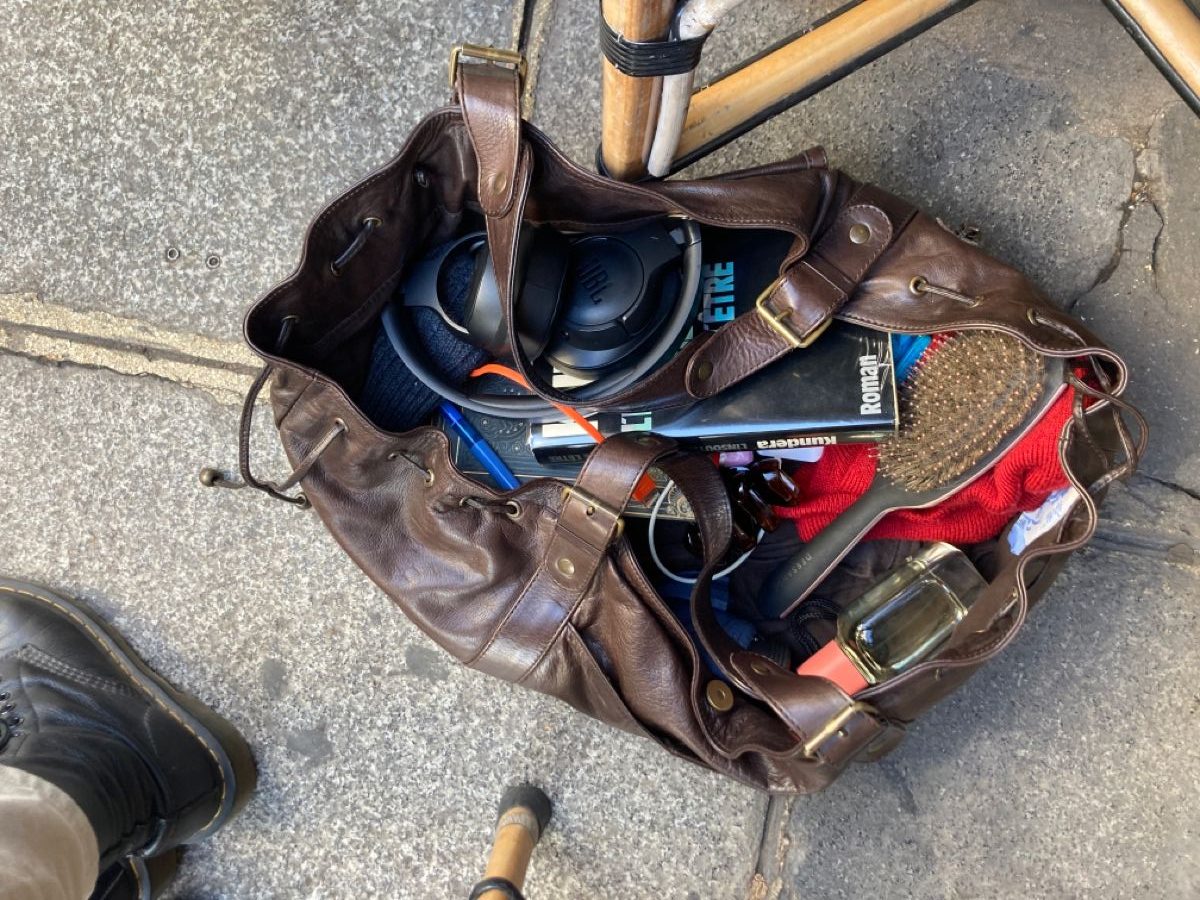
Outside high schools, silhouettes seem frozen in the 2010s. The same backpacks, the same puffer jackets, the same neutral color palettes. A question arises: what if, far from runways and TikTok, teenage style had stopped evolving nearly ten years ago?
From trends to true timeless staples
Fashion is an eternal cycle. Each decade recycles the previous one, each generation appropriates codes it has sometimes never experienced. After several seasons dominated by a Y2K revival, the focus has shifted to the late 2000s and early 2010s. On TikTok, the phrase “Is 2026 the new 2016?” has emerged as a slogan.

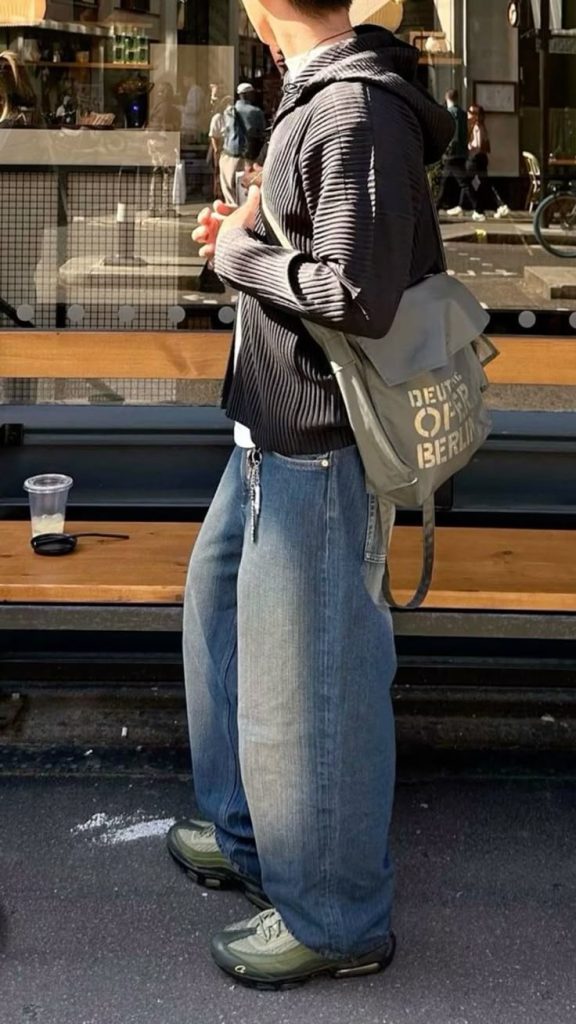
Yet while trends come and go at breakneck speed, certain territories seem impervious to this constant churn. The scene outside high schools tells a very different story. In Paris, the Gérard Darel 24H bag continues to reign supreme. This emblematic 2010s accessory, associated with a rather BCBG aesthetic, is still worn as a school bag. The same goes for clothing. Canada Goose, Pyrenex, or PJS puffer jackets have never left the teenage wardrobe. Season after season, they remain key pieces of the winter dressing. The silhouette itself has shifted slightly towards looser volumes, borrowing from streetwear. Straight or baggy jeans, hoodies, and of course sneakers. Shapes evolve at the margins, but the foundation remains unchanged.
On the brand side, Isabel Marant is once again betting on wedge sneakers. Victoria, extremely popular for a time, is making a strong comeback with models in keeping with current trends. Other brands, too, are being resurrected through the second-hand market. People are hunting for pieces they couldn’t afford back then, perhaps a way of appeasing our inner teenager.
Neutrality as the guiding principle
Today, the teenage wardrobe favors neutrality not for lack of creativity, but out of a desire to fit in. At this important age, clothing turns into a social tool before a means of personal expression. It serves to belong, to blend into a group.
On social media, the same logic of discretion prevails. Many high-school students have abandoned Instagram or use it sparingly. Photo-less profiles, no posts, rare stories: their digital presence remains, but it is mostly silent. Just like with clothing, the goal is less about showing oneself than about existing without overexposure. A deliberate restraint, paradoxical in an age of hyper-visibility.
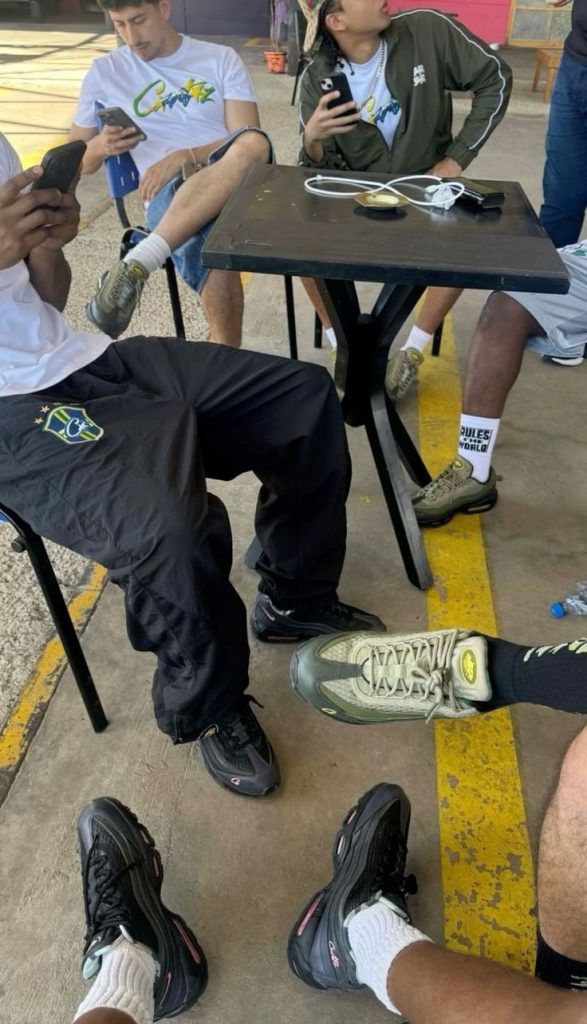
No one is really trying to stand out, and it is precisely this consensus that shapes silhouettes both in the street and on screens. When looking more closely, however, a few evolutions do emerge. Brands like Corteiz, with its highly sought-after collaborations with Nike, or labels such as Lululemon and Aritzia, slip into these understated looks without disrupting their overall balance.
The 2010s: a new source of inspiration for fashion enthusiasts
At the same time, the 2010s are making a broader comeback. A diffuse sense of nostalgia has taken hold of Gen Z, particularly those who grew up during that decade. People dig through their old belongings, pulling out pieces they thought were long outdated. The Eleven Paris T-shirt, emblematic of the swag era, resurfaces, as do Abercrombie and American Apparel cardigans.
These garments are not being revived for their aesthetic appeal, but for what they represent: an era, shared memories. Wearing them today is less about following a trend than about asserting a sense of memory. The piece turns into a symbol, almost a generational badge.
That is the paradox. Most of today’s teenagers never actually lived through that period. And yet their silhouettes are their direct heirs. As if the wardrobe had been passed down unchanged, without any real update, frozen in a reassuring version of adolescence.
While fashion keeps re-writing itself, the “teenage style” seems to evolve out of season. Perhaps in this bubble the question isn’t to know if 2026 is the new 2016. But to take notice that for many, time seems to stand still somewhere between the two.