

From wraparound sunglasses and technical jackets to Salomon sneakers, the gorpcore aesthetic has redefined the codes of streetwear. Declared past its prime by fashion experts in summer 2026, is outdoor style dead or has it simply succeeded in conquering the mainstream for good?
The last line of defense against ostentatious luxury
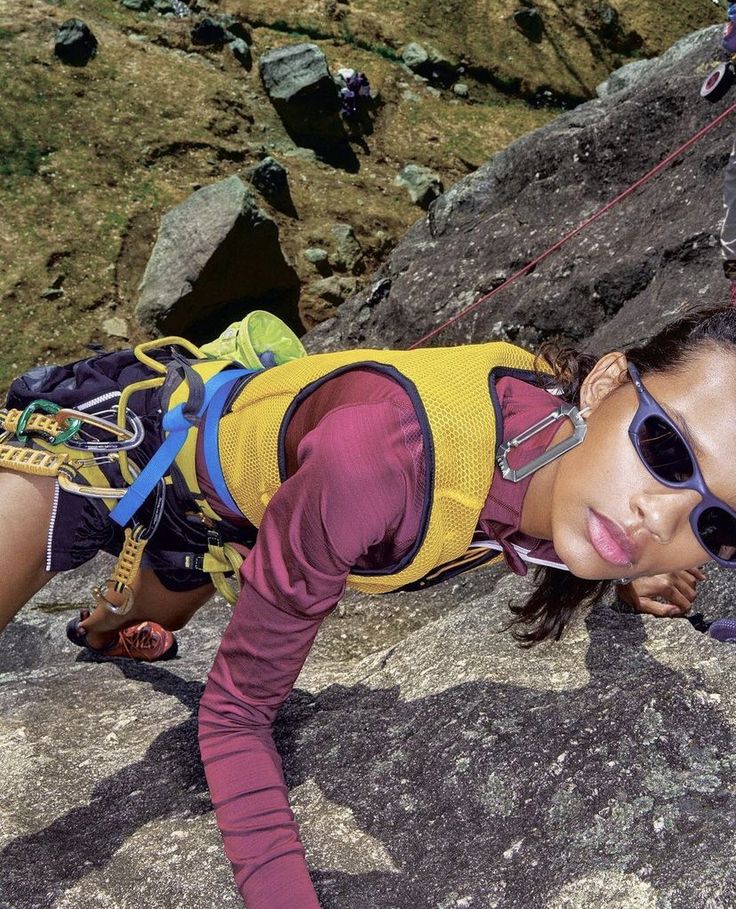
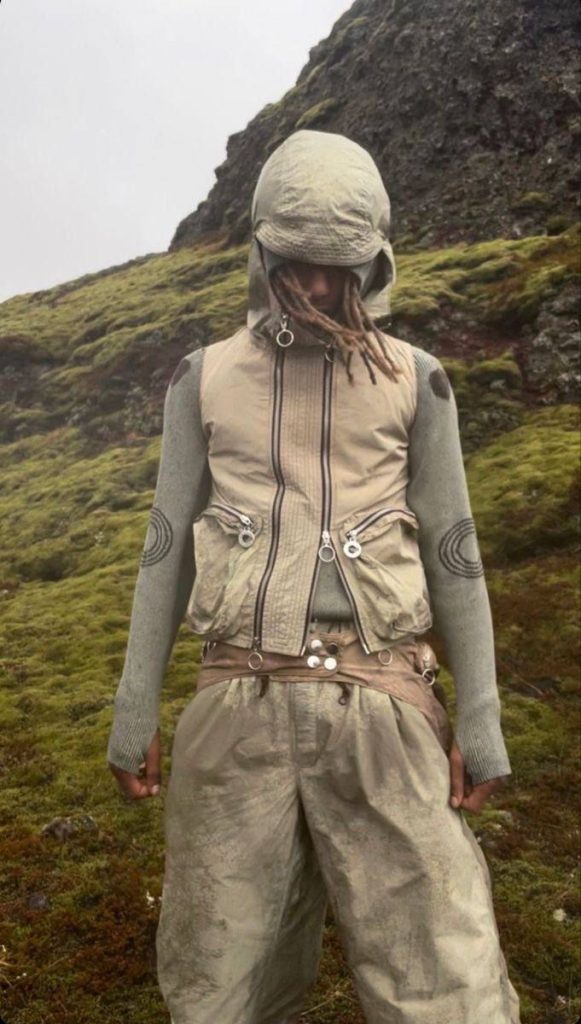
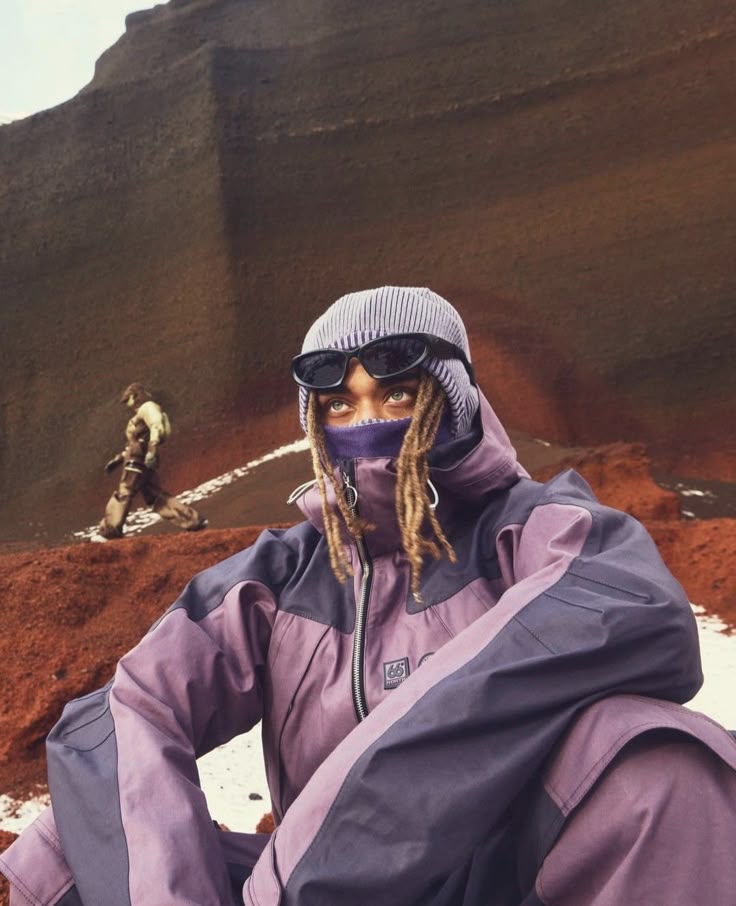
Cargo trousers, technical waterproof jackets, breathable long-sleeved T-shirts and “speed” sunglasses: in just a few seasons, the seasoned hiker’s uniform has become a style statement. Born from a desire to put utility first, gorpcore champions absolute freedom of movement, with every silhouette suggesting a constant readiness to face the elements. Gender-neutral by nature, this wardrobe moves beyond traditional cuts to offer a more inclusive approach to fashion centered on ergonomics.
Unlike the waves of logomania, where a garment’s value lies in its ability to signal social status, gorpcore puts the emphasis on textile engineering and R&D. While the logos of Arc’teryx, Salomon and Patagonia remain highly visible, they represent a promise of technical innovation rather than a purely aesthetic statement. The style has brought physical well-being and sensory comfort back to the forefront.
Gorpcore is dead… Long Live Gorpcore!
“Gorpcore is dead.” At least, that is the unequivocal verdict delivered by several fashion observers and critics, including an analysis published in early August 2026 by the British edition of GQ. The trigger for this dramatic pronouncement? The launch of the Nike ACG Zegama Hike, a high-top hiking shoe equipped with an ultra-grippy Vibram sole, bringing together virtually all the visual and technical codes of the genre.
And yet, this proclamation points more to a transition than a disappearance. For experts, the proliferation of these releases proves one thing above all: gorpcore staples are no longer a passing phenomenon but have become new wardrobe essentials. Consumers across the board are no longer content to sacrifice practicality for appearance, continuing to embrace this combination of versatility and everyday comfort.
Salomon’s strategy perfectly illustrates this shift. The Haute-Savoie-based sportswear brand is no longer chasing virality at all costs or constantly reinventing its ranges. Instead, it is building deeper roots by expanding its presence through mainstream and specialist retailers such as Courir and Naked Copenhagen. This carefully managed democratization shows how the aesthetic has evolved into a lasting consumer habit.
By going mainstream, however, gorpcore raises a crucial question for its longstanding players: how do you continue to innovate and captivate when technical performance has become the norm?
The pieces we never tire of seeing
The iconic Salomon XT-6 may have pounded pavements around the world to the point of, admittedly, saturation, but the brand has managed to refresh its offering without ever betraying its DNA. Comfort seekers are now turning to the XT-Whisper Void or embracing the RX Mary-Jane, a bold hybrid design that brings a technical twist to the classic ballet flat, ideal for long days spent wandering the city.
When it comes to accessories, oversized crossbody bags are emerging as the new everyday essential. Meanwhile, wide-legged cargo trousers in technical fabrics remain a cornerstone of the wardrobe: with their multiple functional and adjustable pockets, they offer complete freedom of movement and quite literally allow you to stroll around with your hands in your pockets.
Far from being a flash in the pan, gorpcore is not so much running out of steam as entering a phase of full maturity. By trading its status as a fleeting trend for that of a new wardrobe standard, outdoor fashion has reshaped our expectations around one simple promise: uncompromising comfort. The question now is whether, as it settles comfortably into our wardrobes, this everyday utilitarian aesthetic can preserve the spirit of innovation that made it so compelling in the first place.