
Heading back to the classroom for an evening, without pressure to perform or achieve results? In Paris, hybrid spaces and institutions we usually visit for entirely different reasons are reinventing the pleasure of learning, with no grades or diplomas at stake. Talks, evening classes and engaged meetups turn knowledge into a chosen experience, something to explore alone or together.
meetups turn knowledge into a chosen experience, something to explore alone or together.
Off-Campus, A coffee shop, a bookshop but not just that
Both a coffee shop, a bookshop and a learning space, Off-Campus deliberately blurs the boundaries of the traditional classroom. Here, evening classes explore rich and varied subjects from Bad Bunny to the Brontë sisters and even Dracula, designed for an adult audience curious about cultural trends. The dedicated room, limited to twenty-five people, creates a rare closeness between speakers and participants, allowing for genuine dialogue and in-depth discussions.
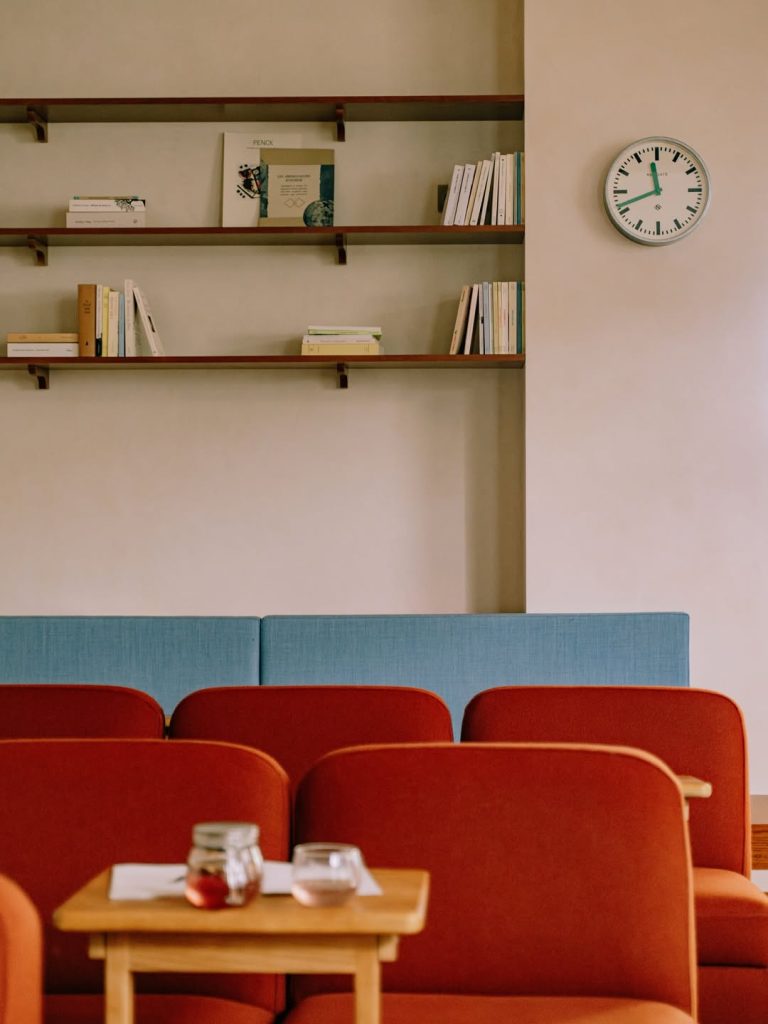
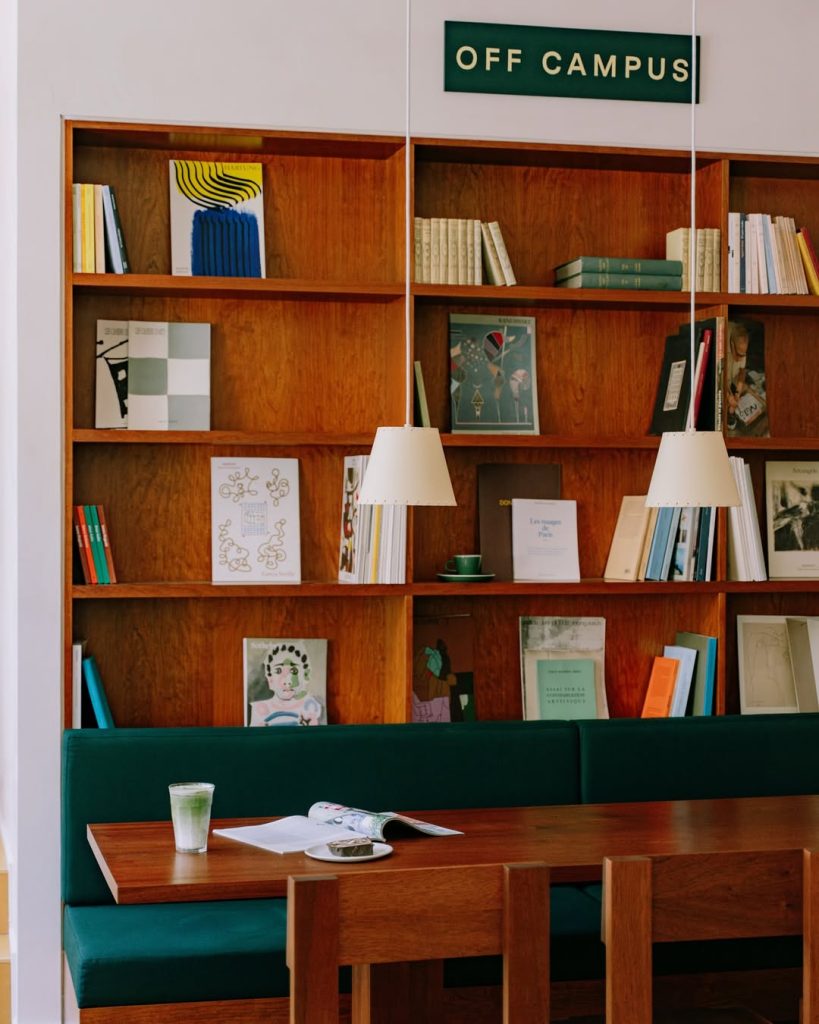
The setting fully contributes to the experience: a cozy atmosphere, designer lamps and comfortable banquettes replace the once-uncomfortable wooden school chairs. Located just steps from Place de la République, at 18 boulevard Voltaire in the 11th district, Off-Campus stands out as an intellectual refuge, ideal for brightening up a gloomy Monday evening or extending an afternoon of reading over coffee.
Full price: €29 per session
Reduced price: €21 per session (under 26)
MK2: When Cinema Turns into a Space for Thinking
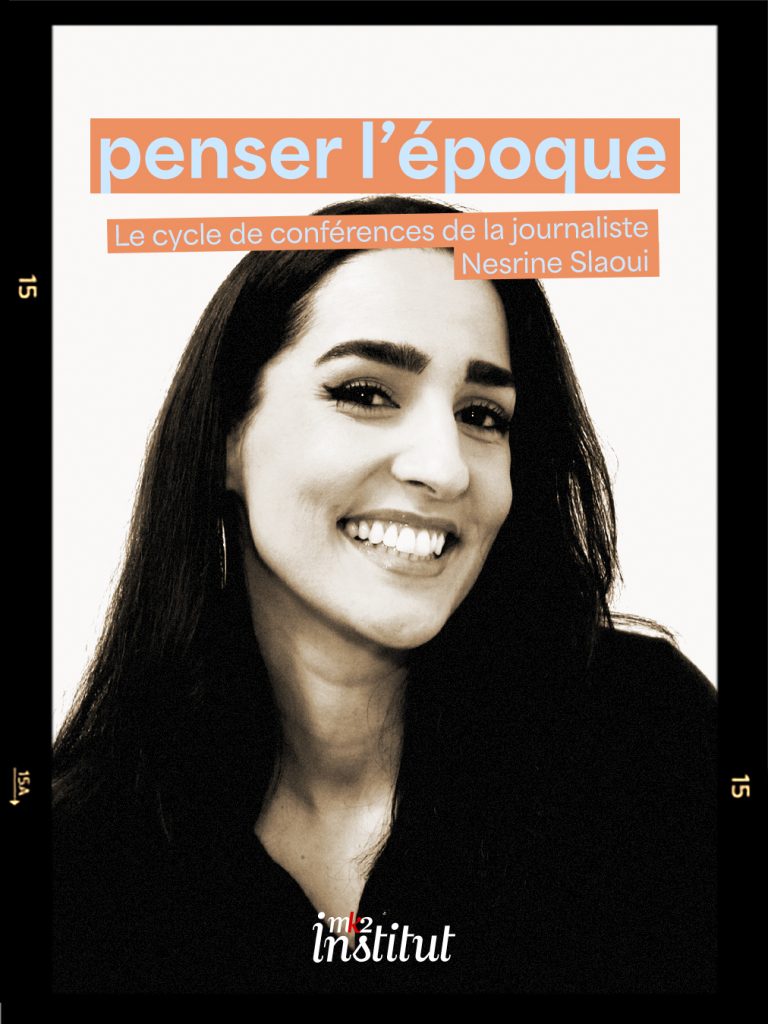
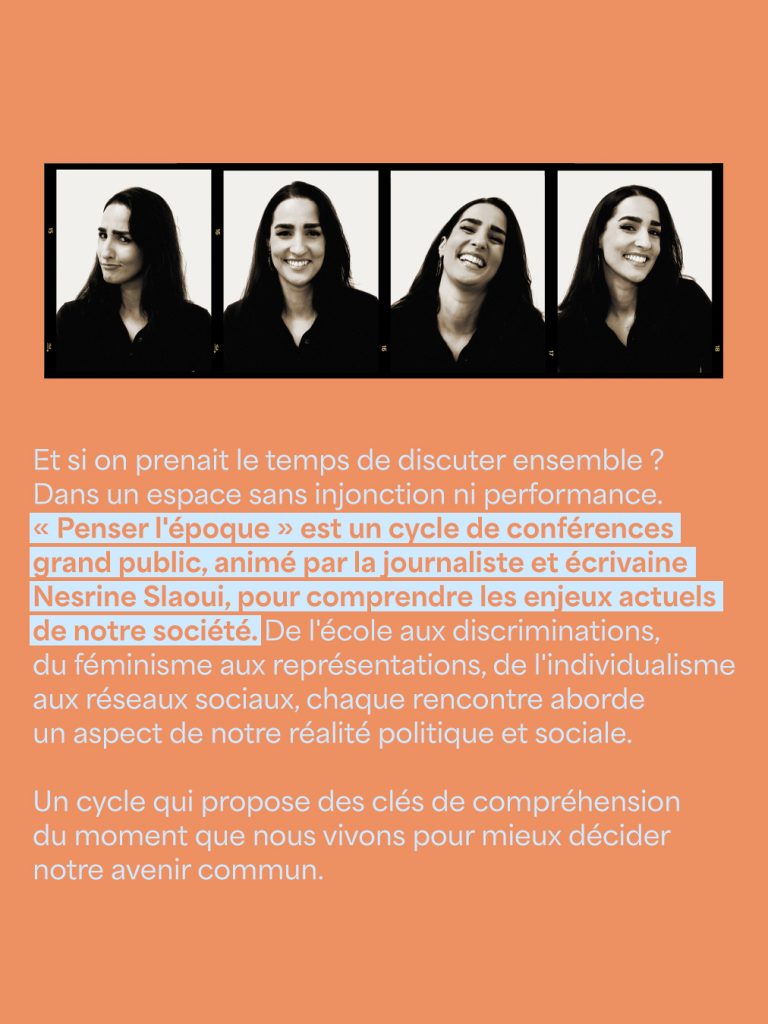
For several years, the MK2 cinema chain has expanded its role far beyond film screenings. Through a series of talks on widely varied themes, the Paris cinema network offers moments of collective reflection rooted in current cultural and social issues. At the moment, journalist Nesrine Slaoui is hosting the Thinking Our Times series there, creating an accessible and engaging space for dialogue.
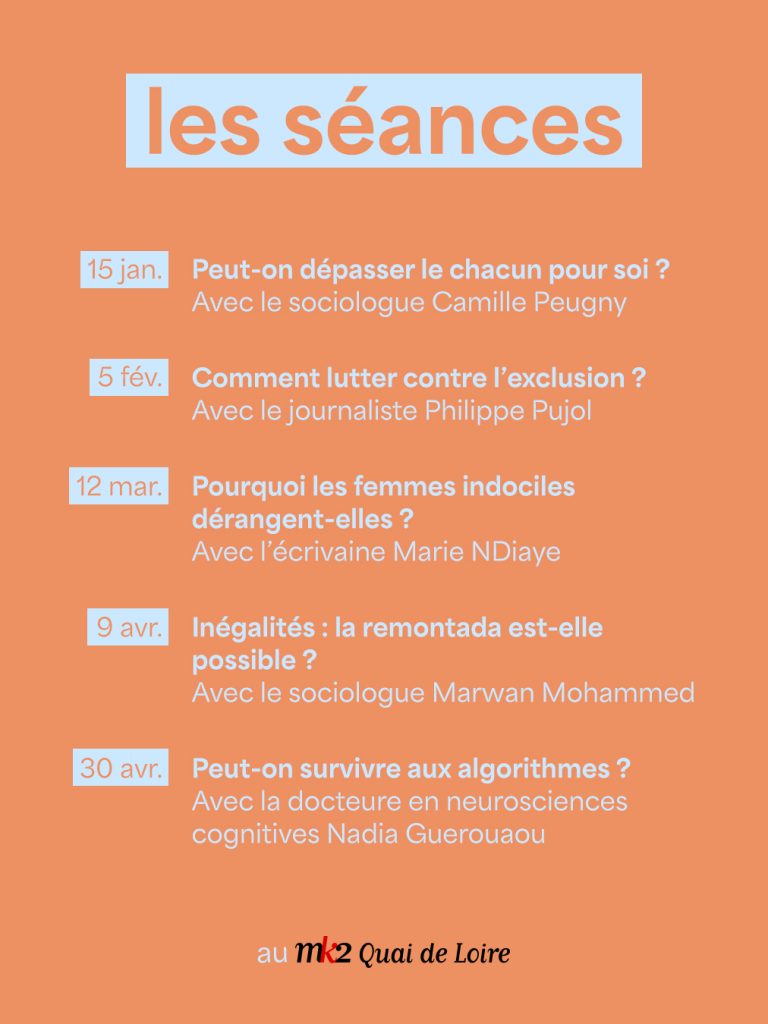
One of the main strengths of these formats lies in their inclusive pricing policy, with reduced rates for under-26s and job seekers. A way to test out ideas and broaden horizons at an accessible cost. Next event to note: on March 12, a conversation with Marie NDiaye around the question “Why do disobedient women disturb?”. An ideal opportunity to discover or rediscover the work of the award-winning author.
The Arab World Institute: An Engaged and Accessible Program
Among the institutions most active in sharing knowledge, the Arab World Institute stands out for the richness and diversity of its program. Throughout the year, the venue hosts a wide range of formats, from literary talks and social debates to discussions on historical and contemporary themes.
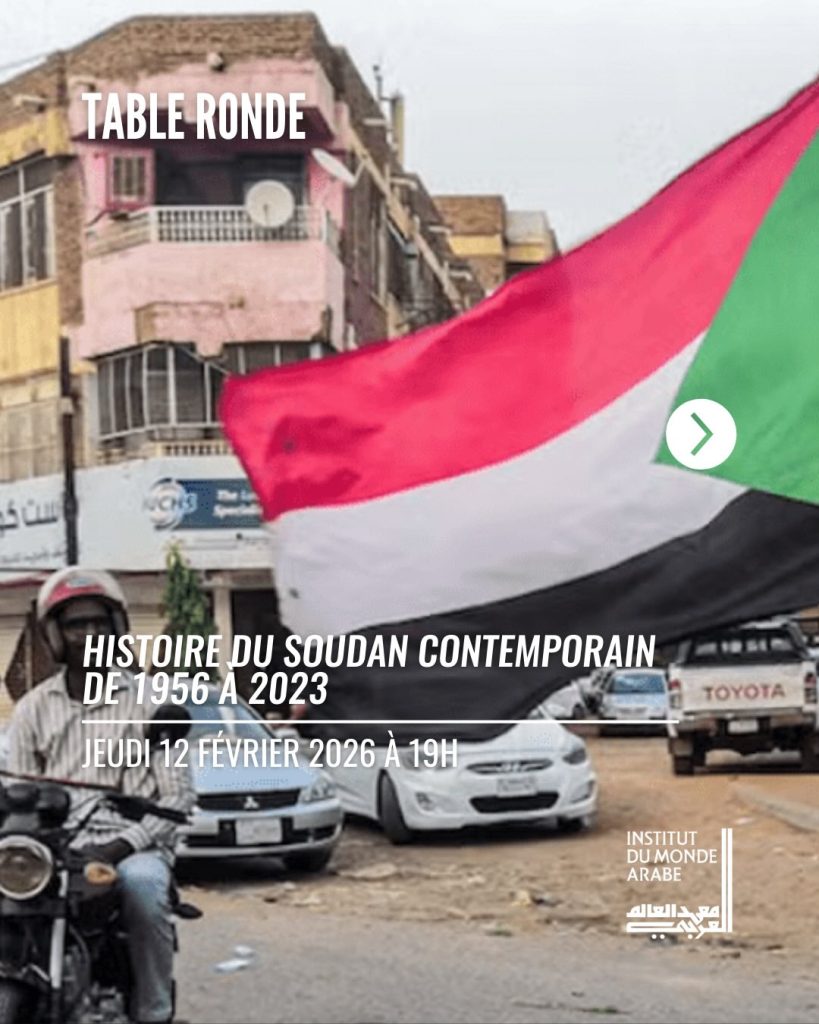
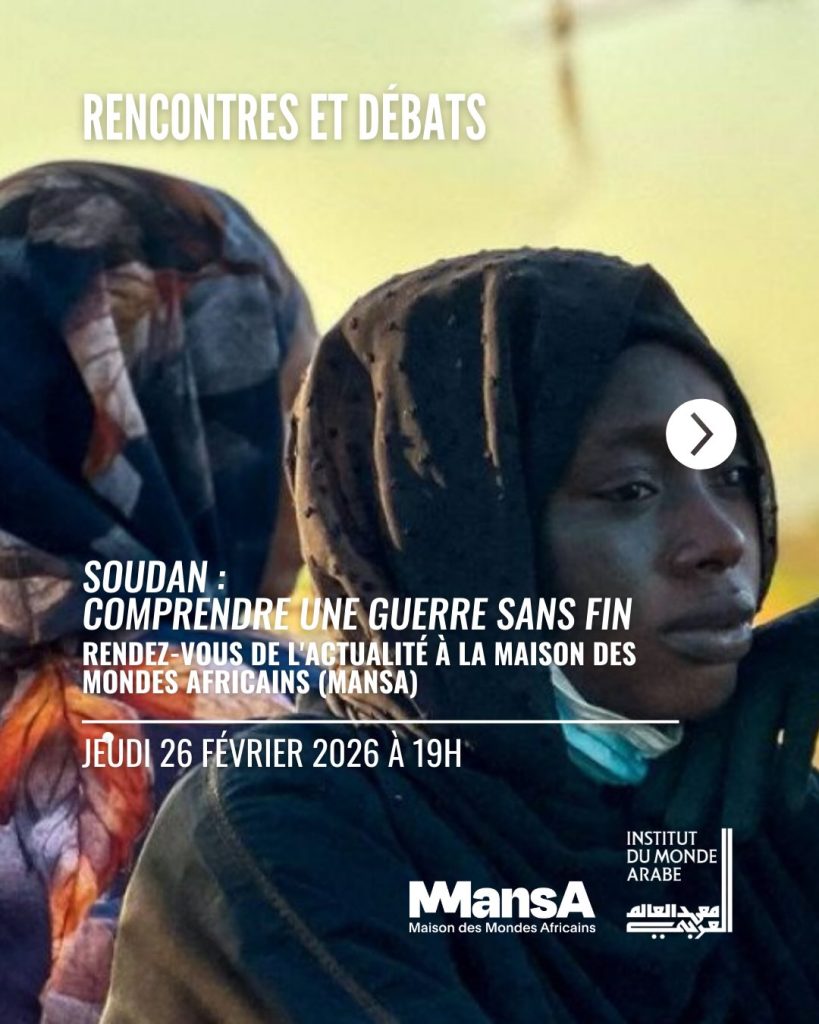
Upcoming events include talks with French journalist and writer Ramsès Kefi on 21 February and Iraqi poet and diplomat Chawki Abdelamir on 28 February. On the debate side, the Institute will notably host Girls Who Go Out in Morocco on 29 March, as well as Celebrating Maghrebi Independences: Popular Festivities and the Legitimation of New Regimes on 28 March.
Alongside this program, Arabic classes are offered year-round for all levels for children and adults alike, including in a professional context.
1 rue des Fossés Saint-Bernard, 75005 Paris.
Stepping Beyond the Exhibition Halls at the Museum of Decorative Arts
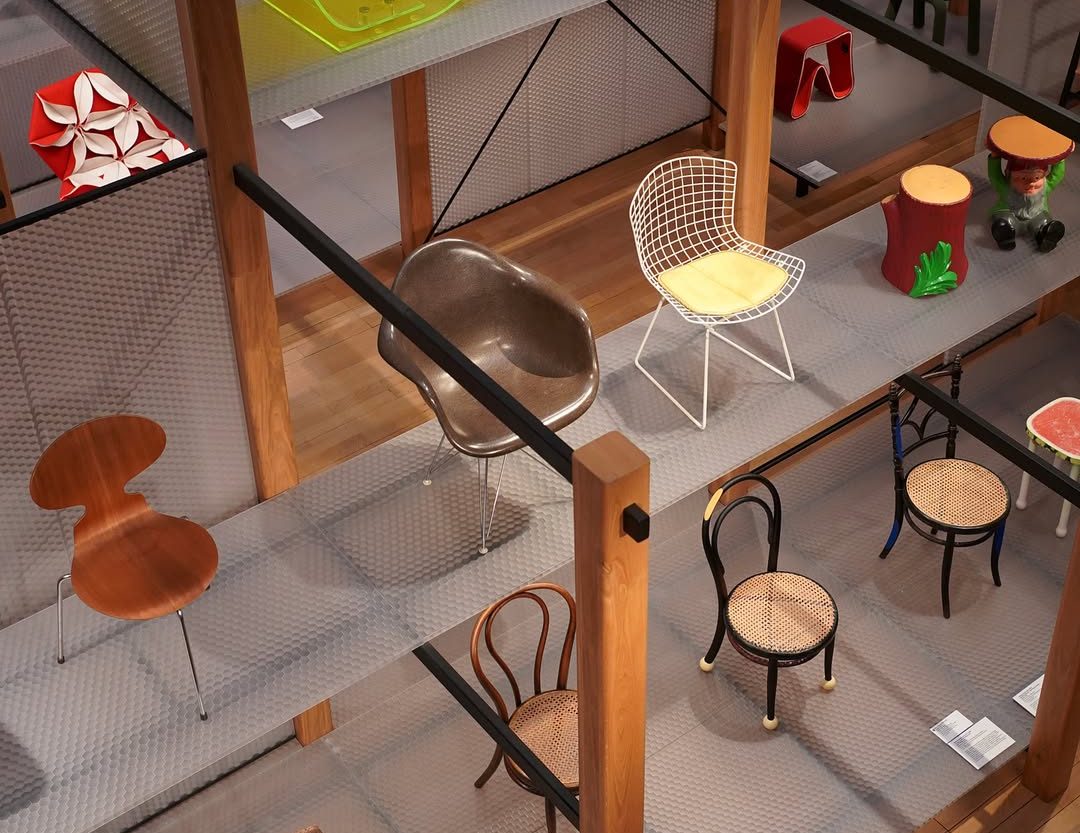
At the Museum of Decorative Arts, the talks are conceived as a natural extension of the current exhibitions. Free to attend (with reservation), they are led by researchers and professionals, offering in-depth insight into the themes often centered on design, fashion and the domestic sphere, explored by the museum. The roughly 90-minute format always includes a discussion with the audience, encouraging a lively exchange of ideas.
Among the upcoming talks, “Being a Little Cheerful: It’s Good for Your Health, Health Issues from the 18th Century to Today,” scheduled for 19 March, illustrates this desire to bring together history, society and contemporary concerns. The events take place at 107 rue de Rivoli, in the 1st arrondissement.
These venues sketch out a new map of knowledge in Paris. Far from any strictly academic framework, they revive the idea of lifelong learning, deeply rooted in its time and open to every line of thought. Notebooks open.