
Halfway between a Mediterranean villa and an affluent American suburb of the early 2000s, the Tuscan Mom is making a comeback on TikTok. Behind her heeled mules and ochre-toned kitchen lies less a passing trend than an ideal. One of mature, stable, and prosperous femininity, drawn from a distinctly pre-Instagram imagination.
The term “Tuscan” refers less to real Italy than to an imagined version of Tuscany. It functions primarily as a decorative reference: warm-toned walls, textured plaster finishes, solid wood furniture, sunlit open kitchens bathed in golden light, and vine or olive motifs adorning tableware. An aesthetic popularized in the 1990s and early 2000s by American cinema mainly Under the Tuscan Sun as well as by home décor catalogues.
The Tuscan Mom lives in a home that resembles a Mediterranean villa transplanted into an American suburb. A domesticated version of Southern Europe, filtered through the lens of the American Dream.
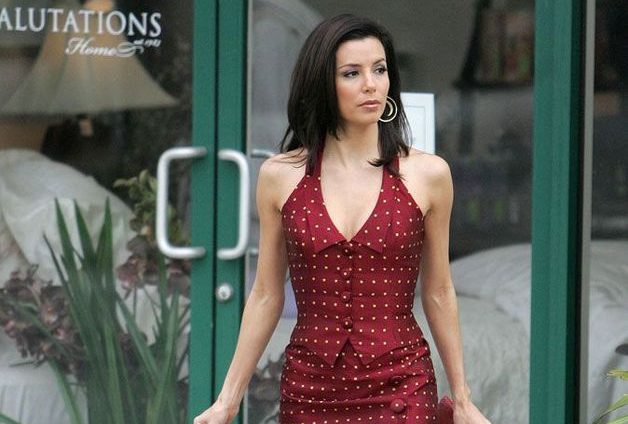
Gaby in Desperate Housewives: The Tuscan Mom Archetype
To understand the origins of the Tuscan Mom, one must go back two decades to the era when Desperate Housewives dominated television screens. Among its iconic characters, Gabrielle Solis, portrayed by Eva Longoria, stands out as one of the most emblematic representations of this aesthetic.
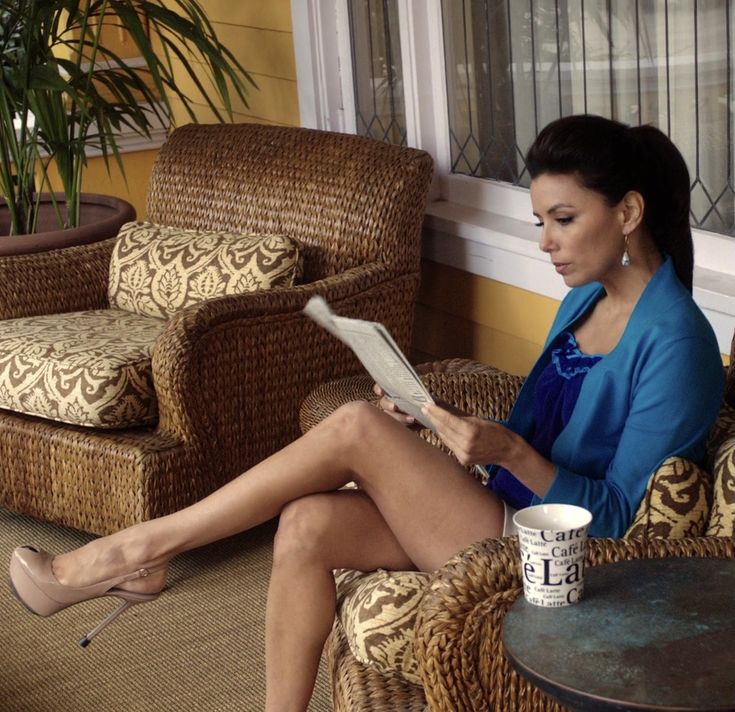
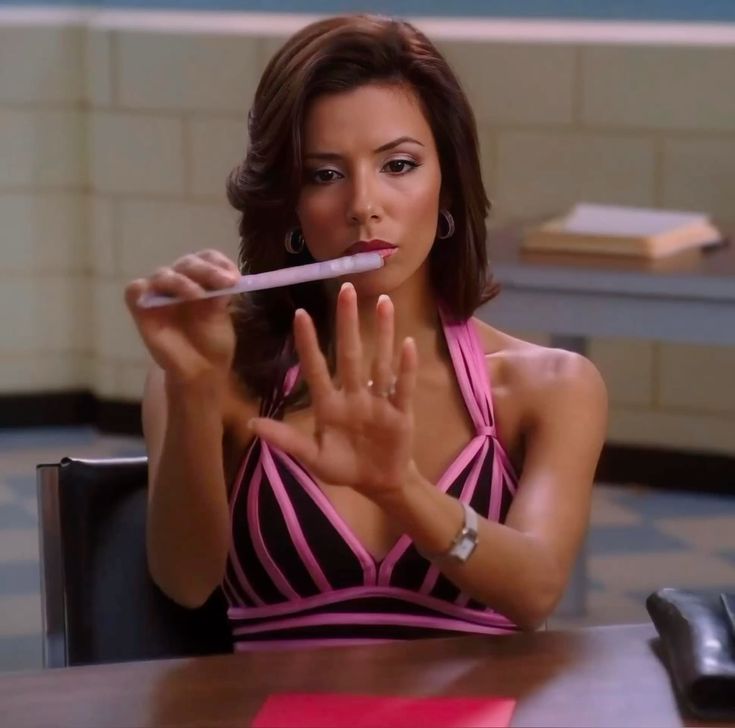
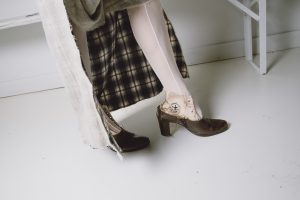
To understand who truly hides behind this anglicism, one scene says it all: a sunlit morning in an affluent American suburb. A woman in her thirties moves naturally from one appointment to the next, her perfectly styled hair highlighted with subtle sun-kissed strands, oversized tinted sunglasses resting on her nose. Manicure, pedicure, lunch with friends, followed by a shopping trip. The day’s agenda is set. She drives a convertible Mercedes with leather and wood finishes or a family sedan such as a Toyota Camry. Bracelets chime softly at her wrists; heeled mules on her feet; low-rise skinny jeans hugging her hips.
The Tuscan Mom is not merely a mother. She embodies an affluent woman, attentive to her appearance, whose daily life revolves around consumption, self-care, and social rituals, particularly among women.
Formerly trendy brands
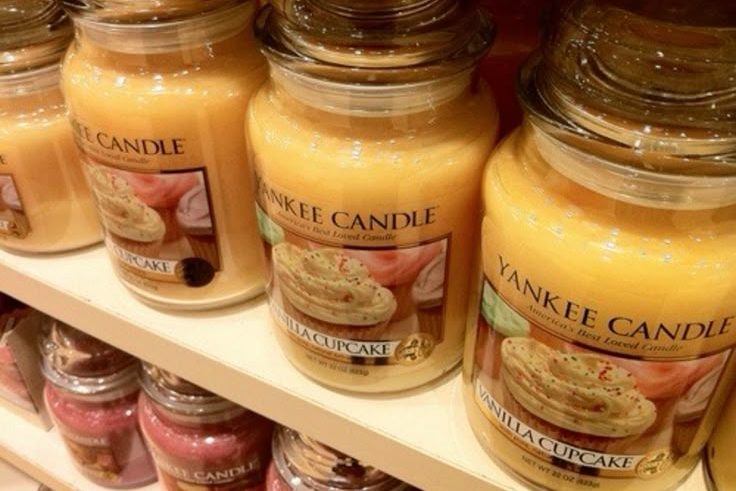
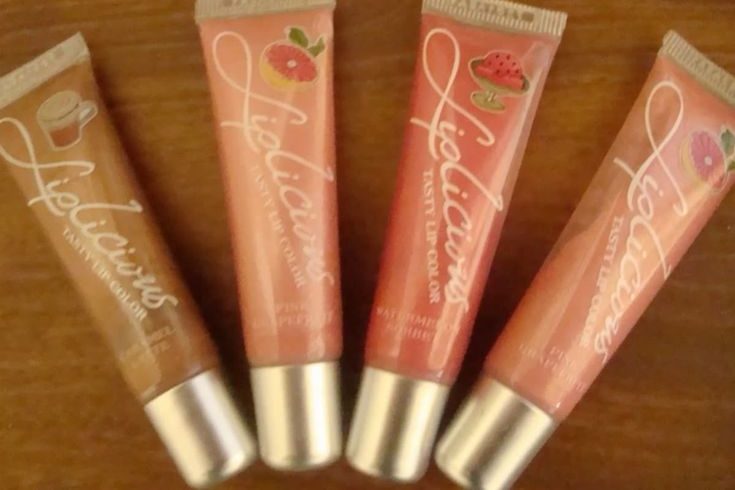
The revival of this aesthetic on TikTok has brought back brands and products many had long forgotten. Sugary-scented candles from Yankee Candle, bottles of Warm Vanilla Sugar from Bath & Body Works, Maybelline’s mousse foundation, afternoons spent browsing at Barnes & Noble with a Starbucks coffee in hand… Combined, these references create a true sensory landscape, marked by warm vanilla notes that form the backdrop of the Tuscan aesthetic.
A Trend Rooted in Nostalgia
« In another life I’d be a tuscan mom in the early 2000’s »
On TikTok, statements such as “In another life, I’d be a Tuscan mom in the early 2000s” are multiplying. This is not simply another Y2K revival. The Tuscan Mom does not evoke the colorful pop silhouettes also emblematic of the 2000s, but rather the image Gen Z once had of adult women when they were children.
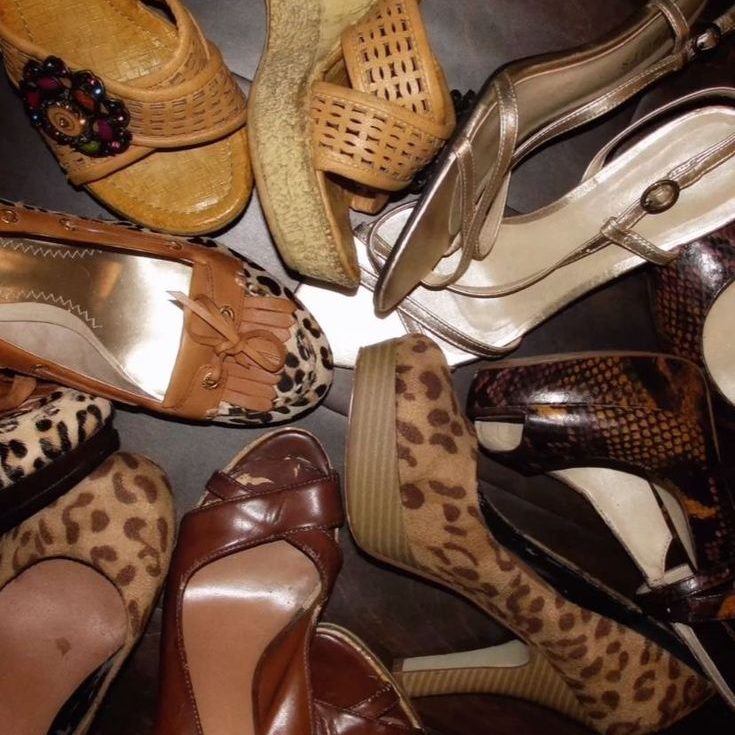
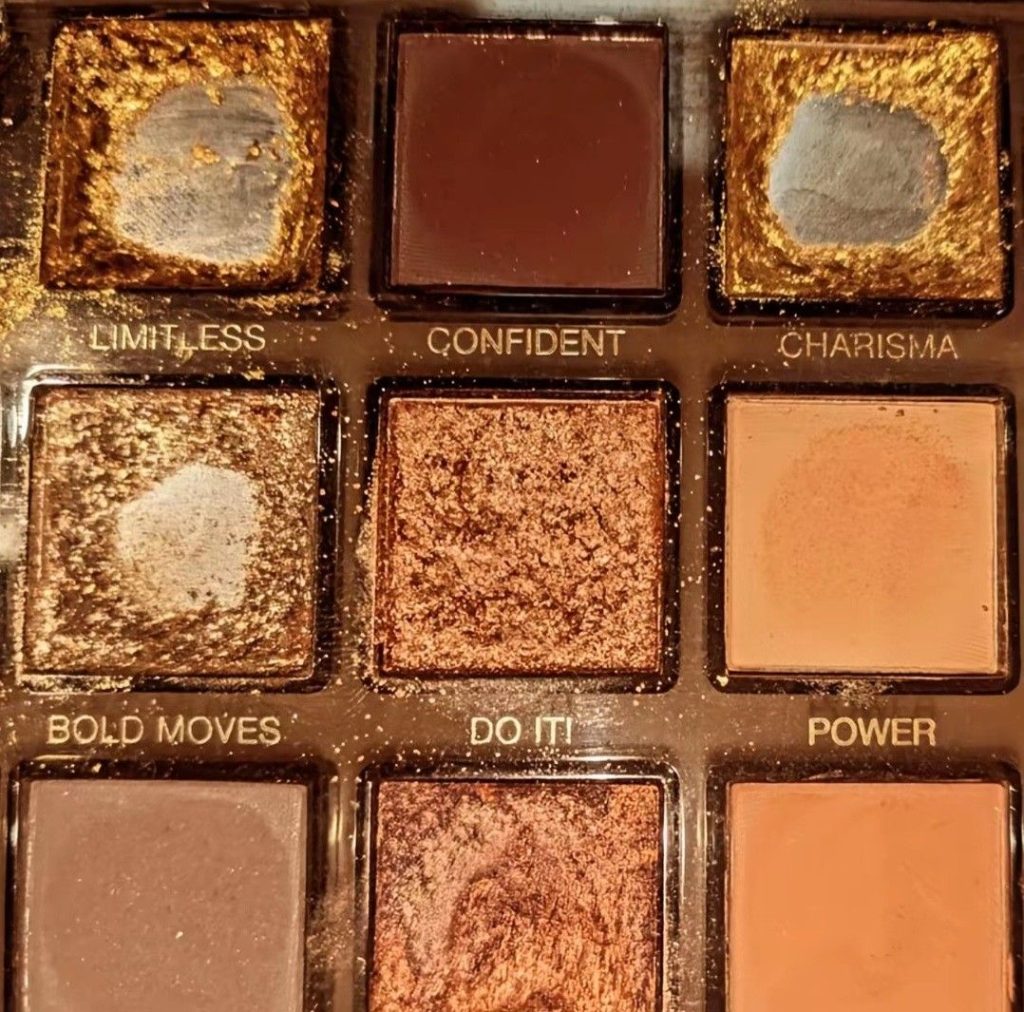
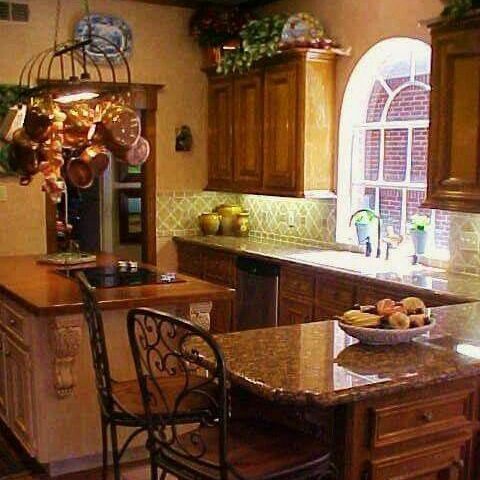
The quote “getting older means slowly turning into my mom how I first remember her” (@karley) neatly captures the phenomenon: as they grow older, some users seek to recreate the idealized version of their mothers as they appeared in the early 2000s. Unlike other micro-trends obsessed with youth, this one places maternal figures at its core. It celebrates a mature, self-assured femininity and above all, one grounded in economic stability. A relatively rare phenomenon within a digital ecosystem largely dominated by the ideal of eternal youth, often portrayed as fragile and financially dependent on male figures.
A revival to question
Despite the phenomenon’s popularity on social media, the Tuscan Mom remains a figure rooted in the upper-middle class. And although she appears independent and highly glamorous, she still exists within a highly codified domestic framework in which men are rather absent.
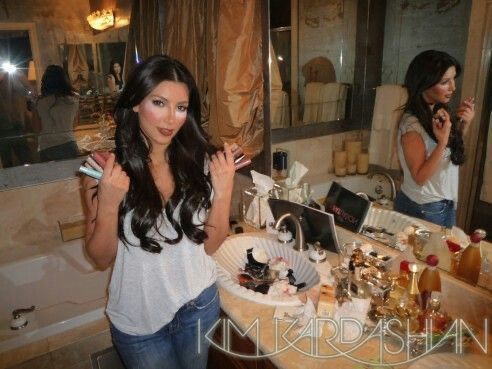
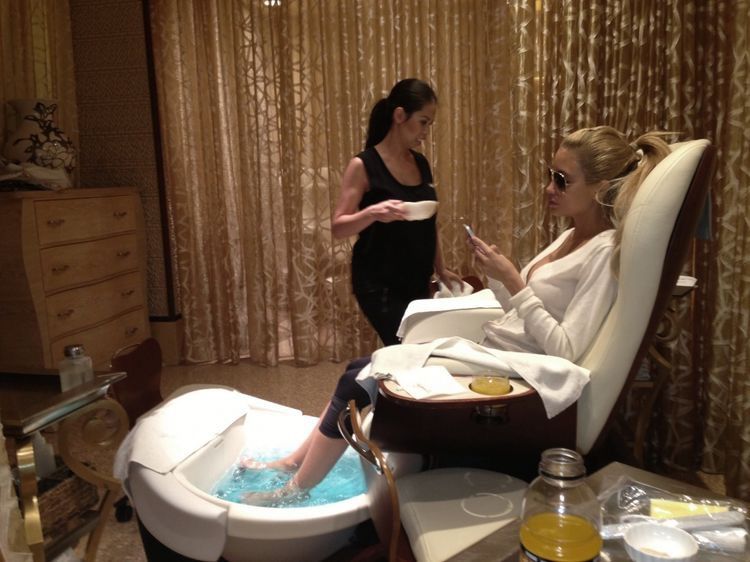
For Gen Z women who recreate the looks of their elders from that era or manage to thrift similar decorative elements, the gesture is above all aesthetic. In a challenging socio-economic context, does adopting these codes create the illusion, at least at first glance of belonging to a more affluent social class? What does this appropriation reveal about women in their twenties today? Could the Tuscan Mom represent a new ideal of success?
One thing is for sure: the Tuscan Mom is more than a silhouette in heeled mules and skinny jeans. She is a reconstructed memory, a domestic archetype brought back into the cultural spotlight. In reviving her, Gen Z is not merely recycling the 2000s; it is reclaiming an adult, even maternal, feminine figure long excluded from the realm of desirability, transforming her into a new ideal to aspire to.