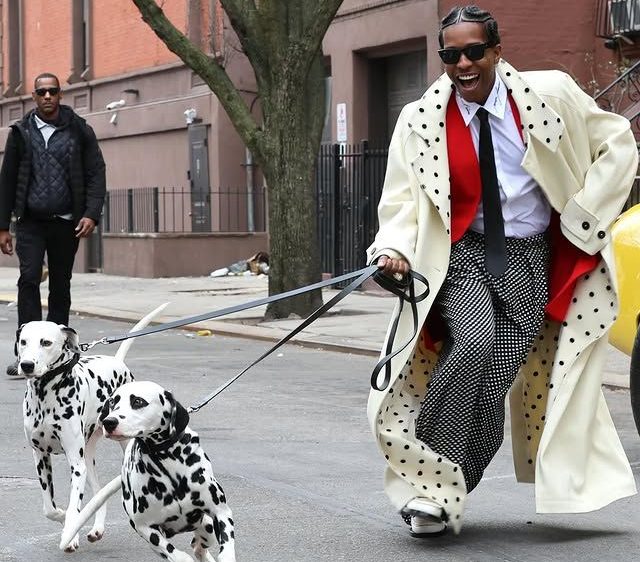

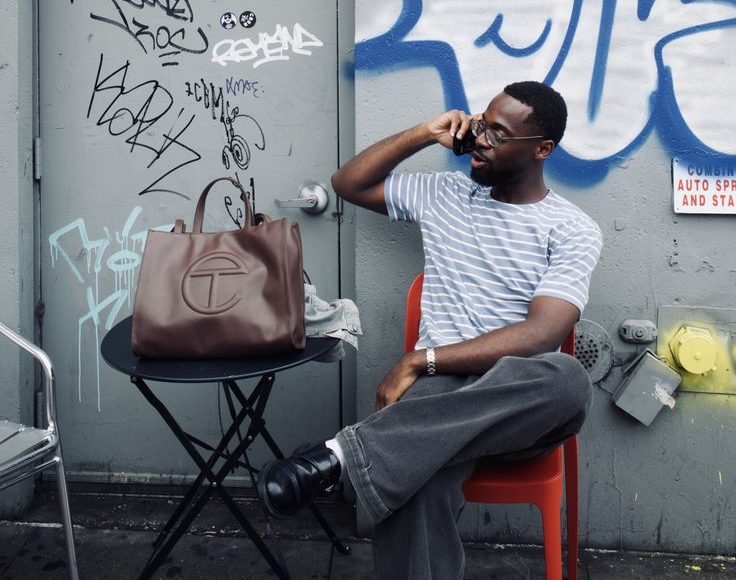
At the start of the decade, there was no escaping it: the vegan leather tote stamped with a “T” was everywhere. A sleek rectangular silhouette, two sets of handles allowing it to be carried by hand or over the shoulder, and an endless color palette. Its success was so meteoric that the resale market exploded, with resellers driving prices sky-high at the height of the hype. From New York’s underground scene to the Obama sisters’ wardrobes, from Zoë Kravitz to Dua Lipa, the phenomenon quickly moved beyond women’s fashion. Men embraced the instantly iconic piece in droves too. A look back at the trajectory of a bag that became a cult classic.
From New York roots to the top of the sales charts
In 2024, The Business of Fashion was still documenting the impact of the label behind what became known as the “Bushwick Birkin”. A direct nod to the creative Brooklyn neighborhood where the bag found its cultural footing. Behind this success is Telfar Clemens. Not allowed to wear women’s clothing during his teenage years, the designer began creating his own pieces with one obsession: building a genderless label designed by and for historically marginalized communities. A vibrant ode to Black culture, New York energy and the queer scene.
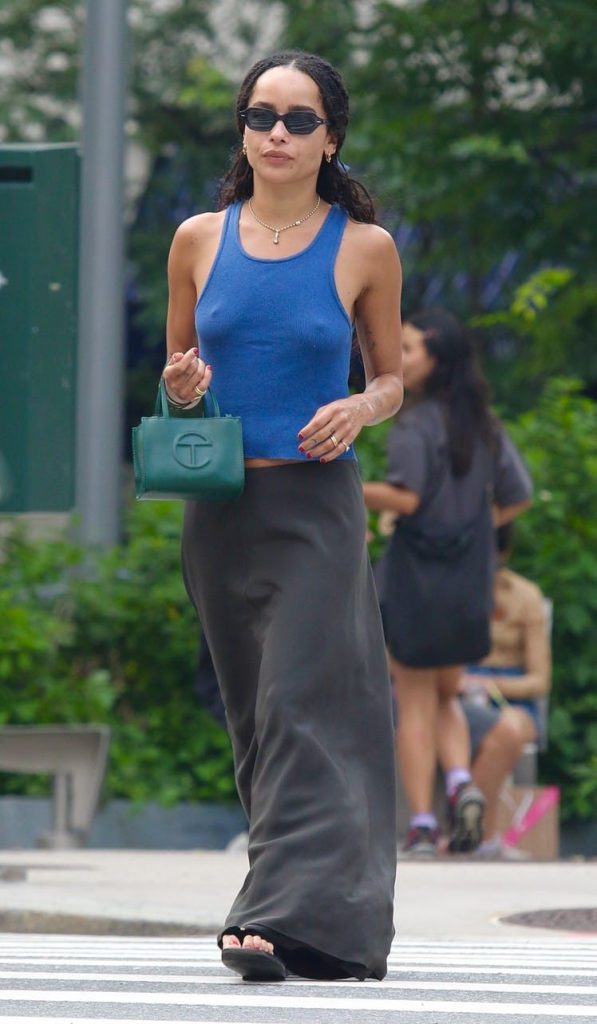
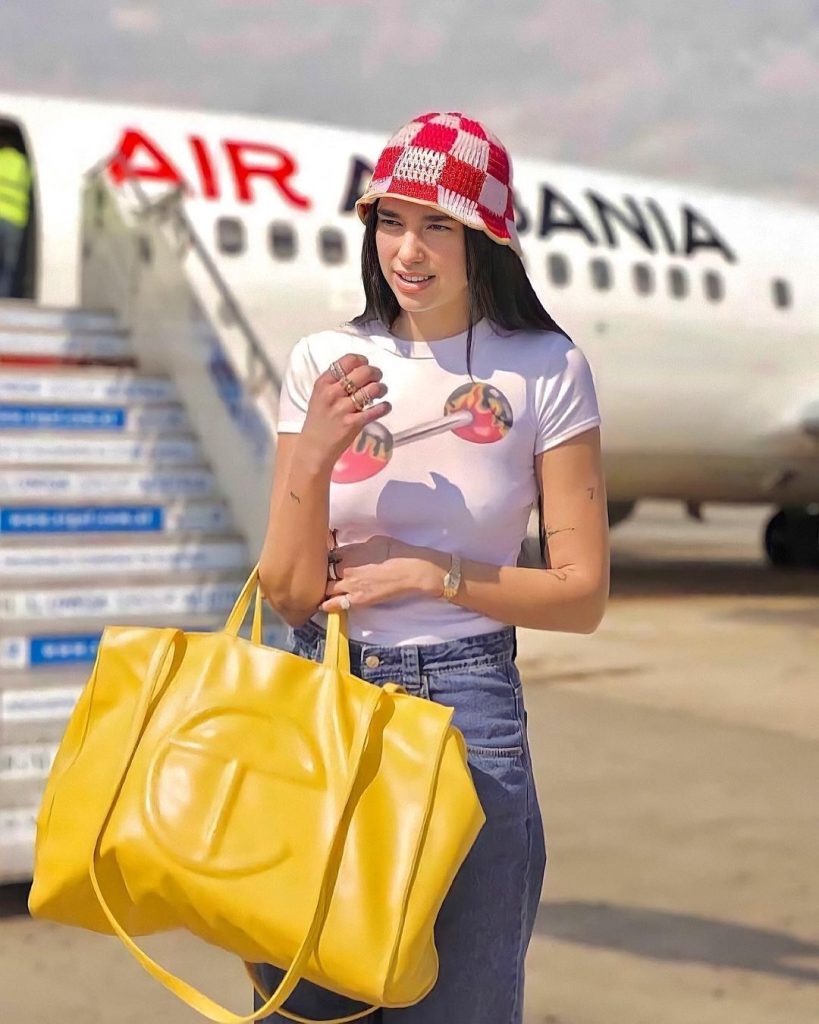
Initially launched in 2014, the Shopping Bag took on an entirely new dimension after Clemens won the CFDA/Vogue Fashion Fund in 2017. The designer reinvested his prize money to perfect the bag’s production and refine his strategy. The formula? Strong design, a sharp message and a radically accessible price point (between $150 and $300). The results soon followed: drops selling out in seconds and systematic stock shortages that only fueled the myth.
The eternal cycle of trends and the trap of overexposure
Buoyed by this overwhelming success, Telfar soon expanded its aesthetic. Like contemporary labels such as Mowalola, the brand extended its offering into assertive, genderless ready-to-wear, moving between casual pieces and well-judged streetwear influences.
Telfar’s trajectory highlights the new pace of contemporary fashion. With TikTok’s explosion following the lockdowns, product life cycles have accelerated considerably. Where an it-bag could once retain its status for a decade, algorithms now impose a form of hyper-fast obsolescence: the aesthetic of the moment is consumed, digested and replaced within a matter of months.
Telfar thus found itself at the center of a paradox unique to our time. To counter speculation, the brand launched its Bag Security Program, a pre-order system on its own website designed to prevent prices from soaring and ensure its bags remained accessible to everyone who dreamed of carrying the brand. At the same time, the tote’s omnipresence on the streets and across social media created a form of visual saturation: by becoming the norm, the bag gradually lost the sense of exclusivity that had attracted its earliest adopters.
More than an accessory, a manifesto
It would, however, be reductive to dismiss Telfar as a mere fashion phenomenon. Carrying the bag has always meant more than aesthetics alone. It is an expression of support for the causes championed by its founder, a Black and queer designer who deliberately hacked the codes of luxury to make it inclusive. In a fashion industry where Black designers remain far too underrepresented at the helm of leading houses, Telfar has permanently changed the landscape and proved that another economic and cultural model was possible.
So, where did all the Telfar bags go? While they may have moved out of the eye of the media storm to make way for other fleeting obsessions, they have not disappeared. The tote stamped with a “T” has simply gone from pure hype to classic status. By refusing to give in to the demands of luxury and choosing instead to prioritize its community, the brand achieved something far more difficult: proving that a popular bag could make fashion history without having to apologize for being accessible.